Text: 402-773-6276



No Braces Wax? What to Use at Home for a Poking Wire or Painful Bracket

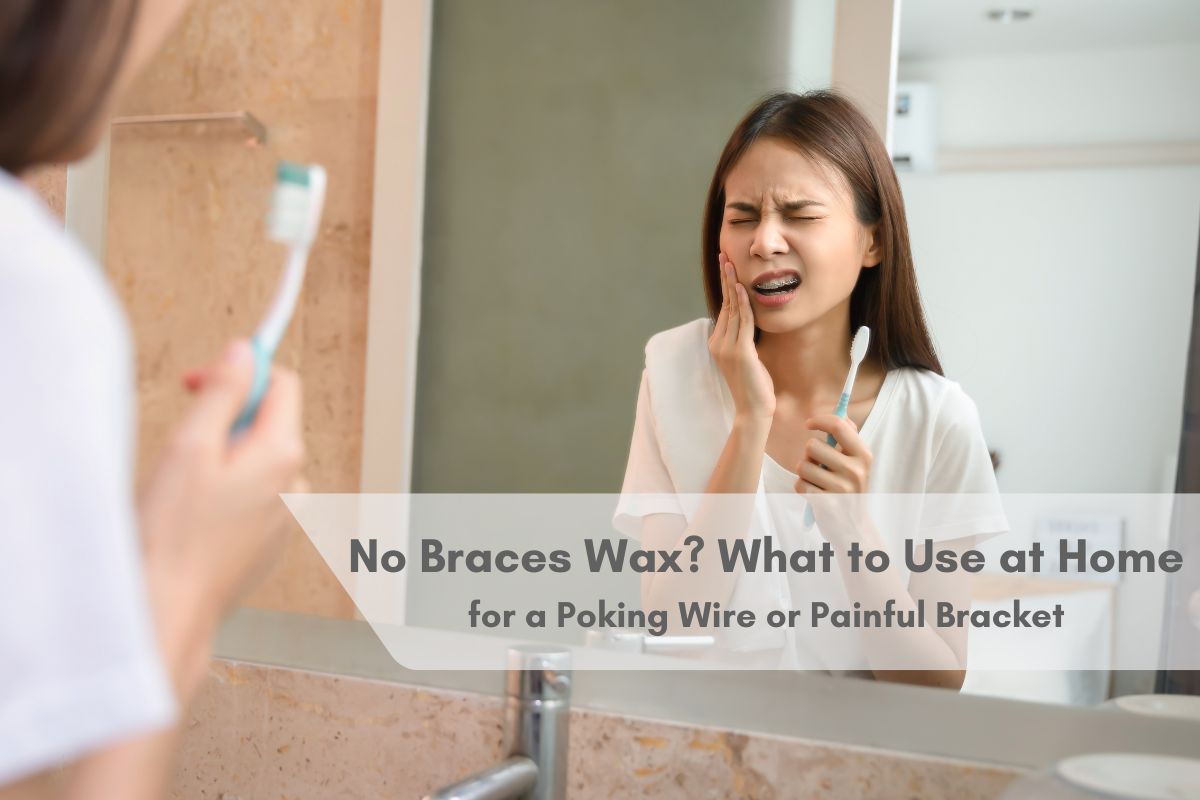
An uncomfortable braces wire rarely waits for a convenient moment. We often hear from families across Omaha, Bennington, Elkhorn, and Gretna who notice irritation late at night, during a weekend, or right before school and work. A bracket starts rubbing the inside of the cheek, a wire shifts unexpectedly, and suddenly, eating or talking feels frustrating. If you do not have orthodontic wax at home, there are a few temporary options that may help protect sensitive tissue until you can be seen.
At Discover Orthodontics, Dr. Molly Bodendorfer focuses on creating comfortable, personalized orthodontic experiences while helping patients feel informed at every stage of treatment. Her approach combines careful monitoring with practical guidance so patients know what is normal, what deserves attention, and what can safely wait until the next appointment.
A sharp wire or painful bracket can become more frustrating the longer it rubs against sensitive tissue. If something feels off, call at 402-397-4226 today so our team can help determine whether you should be seen sooner.
When a Bracket or Wire Suddenly Starts Hurting
Many people assume braces should feel uncomfortable all the time, but that is not typically how treatment progresses. While pressure and mild soreness after adjustments are expected, sharp rubbing or a poking sensation often points to something specific.
Sometimes a wire gradually shifts as teeth move, causing the end to protrude farther than before. In other cases, a bracket may rotate slightly or begin rubbing against soft tissue in a new way. Patients also notice irritation after eating hard foods, accidentally bumping their mouth, or sleeping in a position that increases friction.
One pattern we frequently see is patients waiting too long because they assume pain means their braces are “working.” Mild tenderness can be normal. A wire actively cutting the inside of your cheek is different.
What Can You Use Instead of Braces Wax at Home?
If you do not have orthodontic wax nearby, the goal is not to permanently solve the problem. The goal is to create a temporary barrier between the braces and irritated tissue until proper care or wax becomes available.
Sugar-Free Gum (Only Temporarily and Carefully)
In some situations, a small piece of sugar-free gum can act as a short-term substitute. Patients occasionally use it to cover a sharp bracket edge or poking wire for brief relief.
However, this should be approached cautiously. Sticky gum can sometimes cling to appliances, pull on brackets, or create cleaning challenges. If used, it should only be temporary and removed carefully.
We generally tell patients this is more of an emergency workaround than a preferred solution.
Orthodontic Silicone or Dental Relief Products
Some pharmacies carry dental protective products designed for mouth irritation. If orthodontic wax is unavailable, certain silicone-based dental protectants may offer a temporary shield over irritating areas.
These tend to stay in place better than improvised household alternatives and may feel more comfortable.
For families exploring options for orthodontic care in Omaha for braces discomfort, having backup supplies at home can help reduce stressful situations between visits.
Saltwater Rinses for Irritated Tissue
A warm saltwater rinse does not replace wax, but it can help soothe irritated tissue.
When cheeks or lips repeatedly rub against metal components, tiny sores may form. A simple rinse may reduce irritation and make eating or speaking feel more manageable while waiting for an appointment.
What surprises many patients is how quickly irritation improves once friction stops. Even a small protective barrier can make a meaningful difference.
Orthodontic Relief Gel
Some over-the-counter oral discomfort gels are designed for irritated areas inside the mouth. These may help reduce sensitivity from rubbing brackets or wires.
That said, gels do not physically cover sharp areas. If something is actively poking your cheek, a protective barrier is usually more helpful than numbing alone.
What You Should Avoid Putting on Braces
When discomfort happens unexpectedly, people often get creative. Unfortunately, some DIY ideas can create bigger problems.
We occasionally hear about patients trying:
- Melted candle wax
- Sticky candy
- Cotton or tissue pieces
- Household adhesives
- Cutting wires at home without guidance
These approaches can trap bacteria, come apart unexpectedly, or damage appliances.
One common mistake is attempting to trim a wire with random household tools. While online advice sometimes makes this seem simple, we occasionally see situations where patients accidentally loosen neighboring components or leave a sharper edge behind.
If something feels severe, contacting your orthodontic office is usually the safer decision.
How to Tell Whether This Can Wait or Needs Attention Soon
Not every braces issue requires the same-day care, but some situations deserve quicker attention.
A little soreness after an adjustment often improves gradually.
You may want to call sooner if:
- A wire is repeatedly poking your cheek or gums
- Eating becomes difficult because of sharp discomfort
- A bracket feels loose or noticeably shifted
- Swelling develops around irritated areas
- You cannot comfortably sleep because of the irritation
Sometimes patients tell us they “did not want to bother anyone” and waited weeks despite ongoing rubbing. In reality, small fixes are often quick and can prevent more uncomfortable sores from developing.
For patients navigating braces in Omaha, getting clarification early after a wire shifts or starts hurting can often prevent a minor irritation from becoming a larger frustration.
Why Some Patients Get More Mouth Irritation Than Others
Not everyone reacts to braces the same way.
Some patients naturally have more sensitive cheek tissue. Others notice irritation during periods when teeth are moving more actively, especially after adjustments.
Sports, dehydration, mouth breathing, and certain sleeping habits may also increase friction. We occasionally see irritation worsen when patients unintentionally chew on pens, fingernails, or ice, because those habits can subtly alter the pressure on brackets and wires.
There are also edge cases where irritation is not actually caused by a wire at all. Occasionally, a bracket position or bite change temporarily creates rubbing in unexpected areas. This is one reason professional evaluation matters if discomfort keeps returning.
A Quick Word About Waiting Too Long
Most braces discomfort is manageable, but persistent sharp rubbing tends to worsen rather than improve.
Repeated friction can create larger sore spots, making eating, brushing, and speaking more uncomfortable than the original issue itself.
If temporary measures are not helping, or if the discomfort keeps coming back, it is worth checking whether something shifted and needs a simple adjustment.
Need Relief From a Poking Wire or Painful Bracket?
If braces irritation is making eating, sleeping, or daily life uncomfortable, the team at Discover Orthodontics can help determine whether a quick adjustment is needed. Dr. Molly Bodendorfer and the team help patients understand what is temporary, what deserves attention, and how to stay comfortable throughout treatment. Visit our orthodontic practice in Omaha to schedule an evaluation or get guidance on your next step.
Braces discomfort can feel stressful, especially when it happens unexpectedly, and wax is nowhere to be found. Temporary solutions may help in the short term, but ongoing irritation often signals that something small needs adjustment. By paying attention to what feels different and getting answers early, we can often help keep treatment more comfortable and predictable.
Frequently Asked Questions
What can I use if I have no braces wax at home?
Temporary options may include sugar-free gum, dental protective products, or oral relief products designed for mouth irritation. These are short-term solutions and not permanent substitutes.
Is it normal for braces wires to poke sometimes?
Yes, it can happen as teeth move and wires shift position. Mild irritation is common, but persistent poking or cuts inside the cheek should be evaluated.
Can I cut a poking brace wire myself?
It is generally safer to avoid trimming wires without guidance. Incorrect cutting can damage braces or create a sharper edge.
Why is my bracket suddenly hurting?
Brackets may start rubbing differently as teeth shift, after eating certain foods, or if something becomes slightly loose.
How long should the irritation last?
Mild soreness often improves within several days. Sharp rubbing that continues or worsens deserves attention.
Can a poking wire cause sores?
Yes. Repeated friction may irritate soft tissue and create painful sores inside the mouth.
Should I go to the orthodontist for a painful bracket?
If discomfort is ongoing, severe, or affecting eating or sleeping, contacting your orthodontic office is a good idea.
Can the irritation with braces get worse if I ignore it?
Sometimes, yes. Continued rubbing may enlarge irritated areas and make everyday activities more uncomfortable.