Text: 402-773-6276



Can I Get Braces If I Have Osteopenia? What Adults Need to Know First

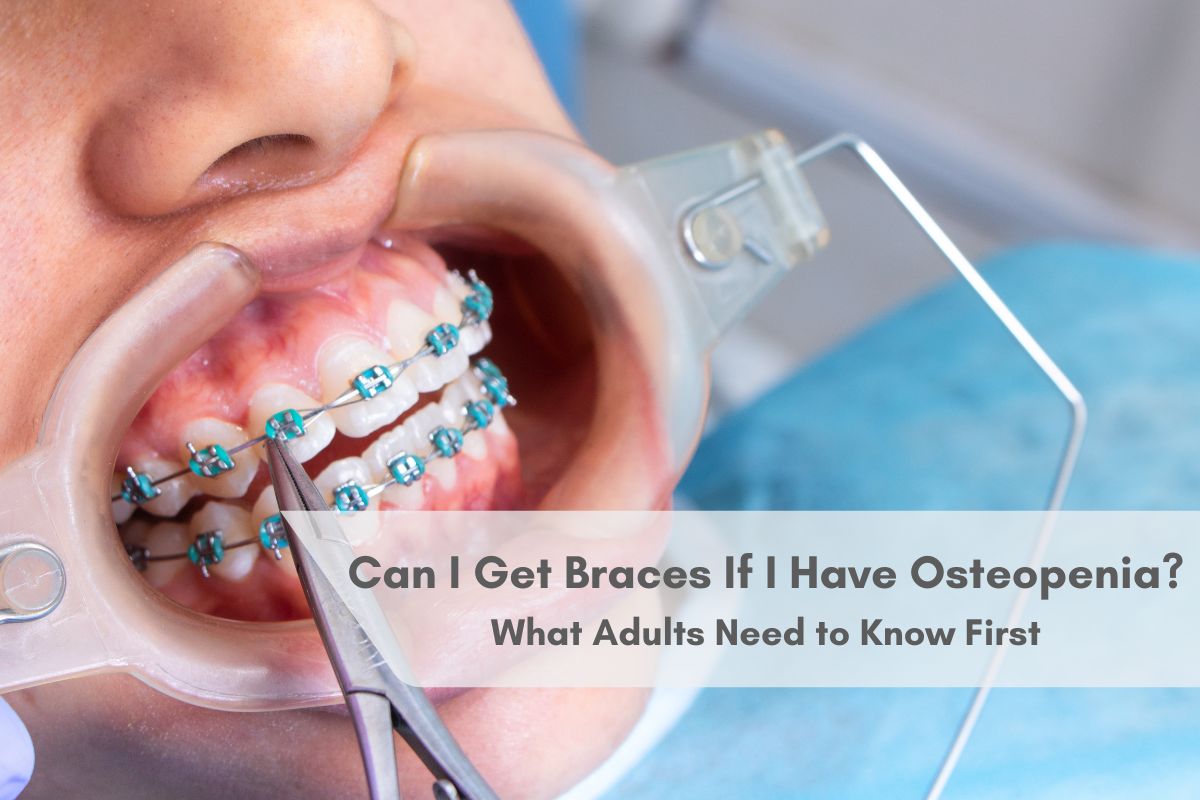
Many adults around Omaha, from neighborhoods like West Omaha and Elkhorn to nearby communities such as Gretna and Papillion, start thinking about orthodontic treatment later in life. Sometimes it happens after years of putting their smile on hold. Other times, shifting teeth, bite changes, or crowding become harder to ignore. But for adults diagnosed with osteopenia, one question tends to come up quickly: Can I safely get braces, or will low bone density make treatment risky?
The answer is often more reassuring than people expect. Osteopenia does not automatically rule out orthodontic treatment, but it does change how treatment should be planned, monitored, and paced.
At Discover Orthodontics, Dr. Molly Bodendorfer takes a thoughtful, personalized approach to adult orthodontic care. With experience treating patients across different ages and dental histories, she focuses on balancing smile goals with long-term oral health, helping patients understand their options clearly before treatment begins. If you have concerns about getting braces with osteopenia or want to understand what treatment may look like for your situation, visit our orthodontic practice in Omaha for a personalized evaluation and expert guidance.
First, What Does Osteopenia Actually Mean for Your Teeth?
Osteopenia means your bones have lower-than-normal density, but not severe enough to qualify as osteoporosis. Many adults discover it after a bone density scan ordered by a physician, especially during midlife or after menopause.
A common misunderstanding is assuming osteopenia automatically means weak teeth. The teeth themselves are not becoming fragile because of osteopenia. The bigger concern involves the bone surrounding and supporting the teeth, particularly how that bone responds to orthodontic movement.
Braces work by applying gentle, controlled pressure that allows teeth to shift through bone over time. Your body naturally remodels bone during this process. With osteopenia, bone remodeling may behave differently depending on severity, age, medications, hormone changes, and overall oral health.
That does not mean braces are unsafe. It means treatment deserves a closer evaluation.
Why Some Adults With Osteopenia Still Do Well With Orthodontics
One thing patients often find surprising is that many adults with mild or moderate osteopenia are still good candidates for treatment.
What matters most is not simply the diagnosis itself, but questions like:
- How stable is your bone health?
- Do you have gum disease or bone loss around teeth?
- Are teeth already mobile?
- Are you taking medications that affect bone remodeling?
- Is the treatment goal minor alignment or major bite correction?
At Discover Orthodontics, patients often assume their medical diagnosis automatically disqualifies them. In reality, orthodontists usually look at the full clinical picture, not just one health label.
For some adults, treatment may simply move more slowly or require more monitoring than average.
If you are researching options for adult braces in Omaha, patients commonly choose that a customized evaluation matters much more than generalized advice online.
The Question Many Patients Ask: “Will Braces Make Bone Loss Worse?”
This concern is understandable.
The short answer is: properly planned adult orthodontic treatment does not usually “cause” osteopenia to worsen.
However, there is nuance.
Excessive force, untreated gum disease, or poorly monitored movement can place unnecessary stress on supporting structures. That is why adult orthodontics with lower bone density requires careful planning.
Orthodontists tend to watch closely for things such as:
- Unexpected tooth mobility
- Gum recession
- Slow or unpredictable movement
- Bone support changes on imaging
- Bite instability during treatment
In many cases, lighter forces and more conservative tooth movement strategies are used.
Patients sometimes expect faster results and become frustrated when treatment moves more cautiously. But slower treatment is often intentional and protective.
Medications Matter More Than Most Patients Realize
An important detail many adults forget to mention is their medication history.
Certain medications used to treat low bone density, particularly bisphosphonates, can affect how bone remodels. Since orthodontic movement depends on controlled bone remodeling, treatment may respond differently.
This does not automatically mean braces are impossible.
It does mean your orthodontist may want to coordinate with your physician, review medical history more carefully, or adjust expectations around treatment timing.
This is one of those situations where being fully transparent about supplements, prescriptions, and past diagnoses genuinely matters.
A surprising pattern orthodontists see is patients saying, “I didn’t think that medication mattered for my teeth.”
Sometimes, it absolutely does.
Signs That Deserve a More Careful Orthodontic Evaluation
Most adults with osteopenia do not need to panic. But there are situations where additional caution makes sense.
You may benefit from a more detailed orthodontic discussion if you notice:
- Teeth feeling unusually loose
- Ongoing gum recession
- History of periodontal disease
- Recent changes in bite alignment
- Jaw discomfort when chewing
- Significant spacing or shifting appearing quickly
These signs do not automatically mean braces are unsafe.
They simply help determine whether the bone and gums are healthy enough to support movement comfortably.
One real-world observation many orthodontic teams notice is that adults often blame age for shifting teeth when underlying bone or gum changes are playing a bigger role.
Is Invisalign Better Than Braces If You Have Osteopenia?
Patients ask this often.
There is no universal answer.
Some people assume clear aligners are automatically gentler because they are removable. In reality, both braces and aligners move teeth through controlled force.
The better option usually depends on:
- Complexity of tooth movement
- Existing bite problems
- Bone support levels
- Patient compliance
- Treatment goals
For some adults, aligners offer advantages in hygiene and gum maintenance. For others, braces provide better control for more complex movement.
If you are comparing braces treatment options for adults, choosing the “right” appliance matters less than whether the treatment plan respects your bone health and long-term stability.
Mistakes Adults With Osteopenia Sometimes Make
One of the biggest mistakes is assuming treatment is impossible and delaying care for years.
Teeth naturally shift over time. Crowding, bite imbalance, and spacing issues can become harder to correct if ignored too long.
Another mistake is focusing only on straight teeth without discussing gum and bone support.
Orthodontic success is not simply about cosmetic alignment. Stable results depend on healthy supporting structures.
Some patients also stop regular dental cleanings during orthodontic treatment, assuming braces are the priority. For adults with lower bone density or gum concerns, preventive care becomes even more important.
What Happens During an Orthodontic Consultation?
If you have osteopenia, your consultation may feel more detailed than expected.
An orthodontist may review:
- Your medical history
- Current medications
- Digital imaging or X-rays
- Gum and bone health
- Tooth mobility
- Bite function
The goal is not to disqualify you.
The goal is to determine how treatment can be done safely and predictably.
Dr. Molly Bodendorfer works closely with patients to explain risks, realistic timelines, and treatment choices in a way that feels understandable rather than overwhelming.
Thinking About Orthodontic Treatment With Osteopenia?
If you have been wondering whether braces are still possible after an osteopenia diagnosis, you do not have to figure it out alone. Discover Orthodontics can help evaluate your bone support, bite, and treatment goals to determine what makes sense for your situation. If you have concerns about treatment or want personalized guidance, you can always give our Omaha orthodontic office a call at 402-397-4226 to discuss your options. Dr. Molly Bodendorfer and the team take time to answer questions honestly and create treatment plans that prioritize both aesthetics and long-term oral health.
Orthodontic treatment with osteopenia is often more possible than many adults expect, but thoughtful planning matters. We believe treatment decisions should consider your full health picture, not just one diagnosis. By understanding bone support, reviewing medications, and moving teeth carefully, we can often help adults move forward confidently while protecting long-term smile stability.
Frequently Asked Questions
Can adults with osteopenia still get braces?
Yes, many adults with osteopenia can still get braces. Eligibility depends on bone support, gum health, medications, and overall treatment goals.
Does osteopenia automatically mean I cannot straighten my teeth?
No. Osteopenia alone does not automatically prevent orthodontic treatment. A detailed evaluation helps determine what is safe and realistic.
Can braces make my teeth loose if I have osteopenia?
Some tooth movement is normal during orthodontics, but unusual looseness should be monitored carefully. Your orthodontist may adjust force levels or pacing if needed.
Should I tell my orthodontist about osteoporosis medication?
Absolutely. Certain medications can affect bone remodeling and may influence treatment planning or timing.
Will treatment take longer with osteopenia?
Sometimes. Some adults benefit from slower, more controlled movement to protect supporting structures and maintain stability.
Is Invisalign safer than braces for low bone density?
Not necessarily. Both can work well depending on your needs. The best option depends on complexity, oral health, and treatment goals.
Can gum disease affect braces if I have osteopenia?
Yes. Healthy gums and bone support are especially important. Untreated periodontal disease may need attention before orthodontics begins.
When should I schedule an orthodontic consultation?
If your teeth are shifting, crowding is worsening, or you are wondering whether treatment is possible, an evaluation can provide clarity before problems progress.