Text: 402-773-6276



Braces Removal: Everything That Happens at Your Appointment

In neighborhoods across Omaha, from Dundee to West Omaha, one of the most anticipated orthodontic milestones is finally getting braces removed. Patients often walk into this appointment excited, but also unsure about what will actually happen once they sit in the chair. Some expect discomfort, others think it’s a long process, and many assume they’re completely “done” the moment brackets come off. The reality is more structured and clinically intentional than most expect.
At Discover Orthodontics, Dr. Molly Bodendorfer focuses on finishing treatment with the same precision used to plan it. Her approach emphasizes controlled removal, enamel preservation, and setting patients up for long-term stability rather than just immediate aesthetics.
If you have an upcoming braces removal appointment or want to understand what to expect based on your specific case, reach out to schedule a consultation or speak with a team member for personalized guidance.
Step-by-Step: What Actually Happens During Braces Removal
Google consistently favors procedural clarity for this query type, so here is the exact sequence followed in a typical appointment:
1. Bracket Removal (Debonding)
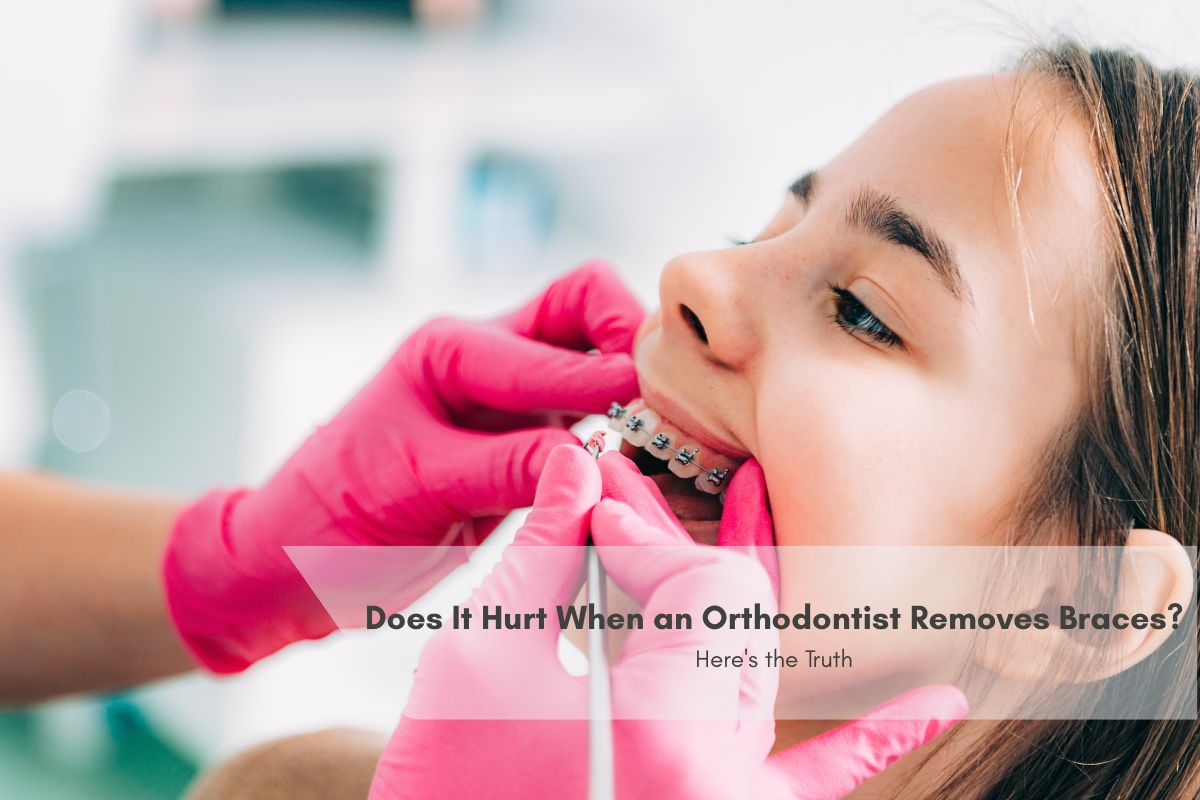
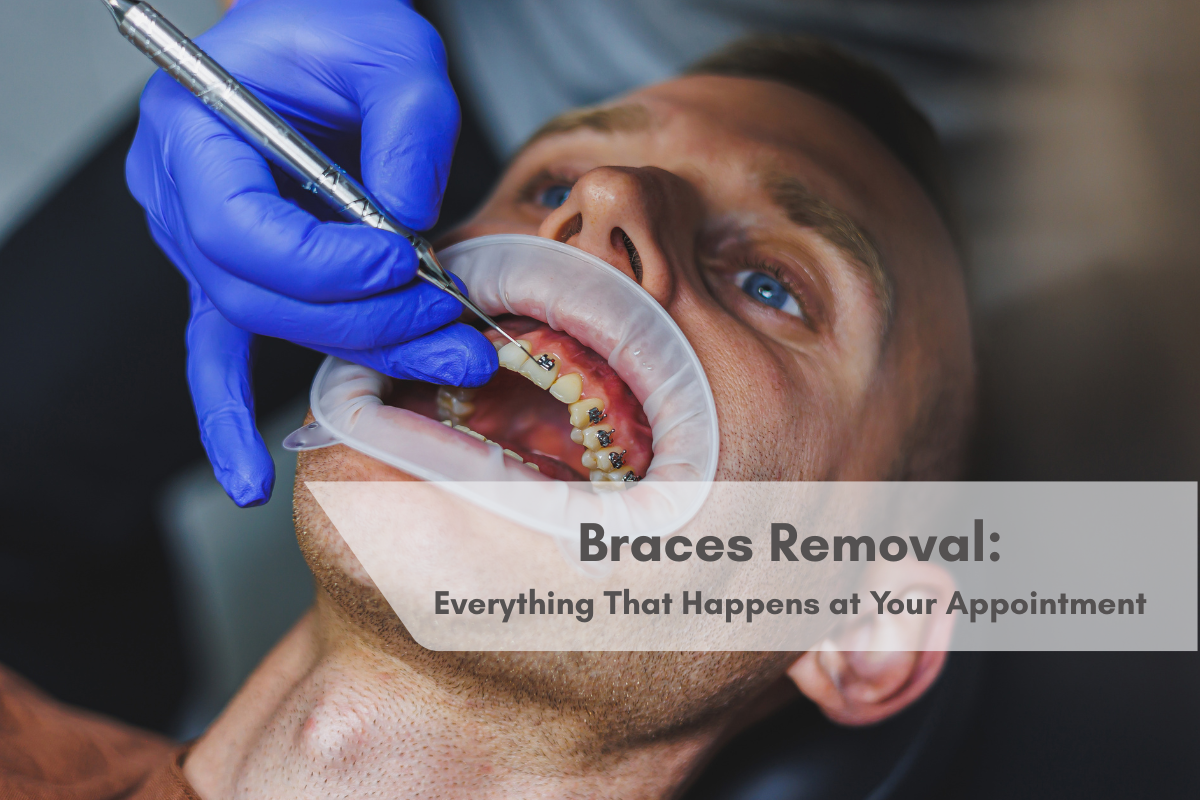
The orthodontist uses a specialized instrument to gently squeeze and release each bracket from the tooth surface. This process is mechanical, not forceful. The adhesive bond is designed to fail safely under pressure.
What patients usually notice:
- A popping or clicking sensation
- Light pressure, not sharp pain
- Occasional sensitivity on certain teeth
2. Adhesive Cleanup
After brackets are removed, a thin layer of bonding material remains on the enamel. This is carefully polished off using a low-speed dental handpiece.
Clinical priority here:
- Preserve enamel integrity
- Avoid over-polishing
- Smooth out irregular surfaces
This step often takes the longest because precision matters more than speed.
3. Tooth Surface Polishing
Once adhesive is removed, teeth are polished to eliminate residual roughness and restore a natural feel.
Patients often notice:
- Teeth feel unusually smooth
- Slight temperature sensitivity
- A difference in texture compared to when braces were on
4. Final Bite Check and Evaluation
The orthodontist evaluates how your teeth come together without brackets interfering. Minor adjustments may be noted at this stage.
In some cases, small refinements may be needed before treatment is fully complete, especially in more complex cases like adult bite correction with braces at our Omaha dental practice.
5. Digital Scan or Impressions for Retainers
Immediately after removal, retainers are planned. This may involve:
- 3D digital scanning
- Traditional impressions (less common now)
Timing is critical because teeth begin minor positional changes almost immediately.
6. Retainer Delivery or Scheduling
Some offices provide retainers the same day, while others schedule a follow-up within a few days.
Does Removing Braces Hurt?
This is one of the most searched concerns, and the answer needs to be precise.
Removing braces does not typically cause pain. What patients feel is pressure during bracket removal and mild sensitivity during adhesive cleanup.
The difference matters:
- Pressure: Momentary, mechanical sensation during removal
- Pain: Rare, and usually linked to already sensitive teeth
Patients with inflamed gums or recent adjustments may experience slightly more discomfort, but it is brief and controlled.
How Long Does Getting Braces Off Take?
Most braces removal appointments fall within a 30 to 60-minute window.
Breakdown:
- Bracket removal: 10 to 15 minutes
- Adhesive cleanup: 15 to 30 minutes
- Polishing and evaluation: 10 to 15 minutes
Time varies based on:
- Number of brackets
- Amount of residual adhesive
- Patient sensitivity levels
Patients expecting a quick 10-minute visit are usually surprised by how detail-oriented this process is.
Can You Remove Braces at Home?
No, and this needs to be addressed directly because search volume on this is significant.
Attempting to remove braces at home can:
- Permanently damage enamel
- Cause uneven adhesive residue
- Lead to gum injury or infection
- Compromise final tooth positioning
Orthodontic tools are calibrated for controlled debonding. DIY removal often results in partial bracket breakage, which increases clinical complexity later.
This is not a cosmetic step. It is a medical procedure tied to treatment success.
What Happens After Braces Removal?
This is where many patients misunderstand the process. Removal is not the end. It is the transition phase.
Retainers Become the Priority
Without retention, teeth begin shifting. This is not hypothetical. It is biologically expected.
Common protocol:
- Full-time wear initially (20–22 hours per day)
- Gradual transition to nighttime wear
Teeth Settling Phase
Your bite continues to stabilize over weeks to months. Minor movement is normal and often intentional.
Whitening Considerations
Patients often want immediate whitening. Clinically, it is better to wait:
- A few weeks for sensitivity to settle
- Enamel to rehydrate evenly
Speech and Bite Adjustment
Some patients notice:
- Slight speech changes with retainers
- Bite feeling “off” temporarily
These usually normalize quickly.
Common Patient Mistakes After Braces Come Off
From clinical observation, these patterns show up consistently:
1. Skipping Retainer Wear Early
Patients feel confident in results and reduce wear too soon.
2. Assuming Treatment is Fully Complete
Retention is part of treatment, not optional maintenance.
3. Rushing Cosmetic Add-ons
Whitening or bonding done too early can interfere with stability.
4. Ignoring Minor Shifting Signs
Small changes are easier to correct early than months later.
In practices handling braces with long-term retention planning, the difference between stable and relapsed cases often comes down to patient compliance, not treatment quality.
What Feels Different Right After Braces Come Off?
Patients often report:
- Teeth feel “slippery” due to polished enamel
- Slight looseness (this is normal and temporary)
- Increased awareness of tooth edges and contours
- Mild sensitivity to cold or air
These sensations typically resolve within a few days.
What to Do Next
If your braces removal appointment is approaching or you’ve recently had them taken off, the next phase matters just as much as the treatment itself. At Discover Orthodontics, every removal is paired with a retention strategy designed to protect your results long-term. Schedule a follow-up or retainer consultation to make sure your smile stays exactly where it should be.
Getting your braces off is a milestone, but it is not the finish line in the way most people assume. It is a controlled transition from active movement to long-term stabilization. We focus on making sure every step, from removal to retention, is handled with precision so that the results last, not just look good temporarily.
FAQs: Braces Removal and What to Watch For
Why do my teeth feel loose after braces removal?
Teeth are stabilizing in their new positions. The surrounding bone and ligaments need time to adapt.
Can teeth shift immediately after braces come off?
Yes. Movement can begin within days without proper retainer use.
Do orthodontists clean your teeth after removing braces?
They remove adhesive and polish surfaces, but a full dental cleaning may still be recommended separately.
Is it normal for teeth to look different from what was expected?
Yes. Without brackets, natural contours and spacing become more visible.
How soon should I start wearing my retainer?
Immediately. Delays increase the risk of relapse.
Can I eat normally right after the braces removal?
Yes, but avoid extremely hard or sticky foods initially if sensitivity is present.
What if my retainer feels tight?
This often indicates minor shifting. Consistent wear usually resolves it.
Do I still need orthodontic checkups after removal?
Follow-ups are often scheduled to monitor retention and stability.