Text: 402-773-6276



How Do I Know if I Need Orthodontics?

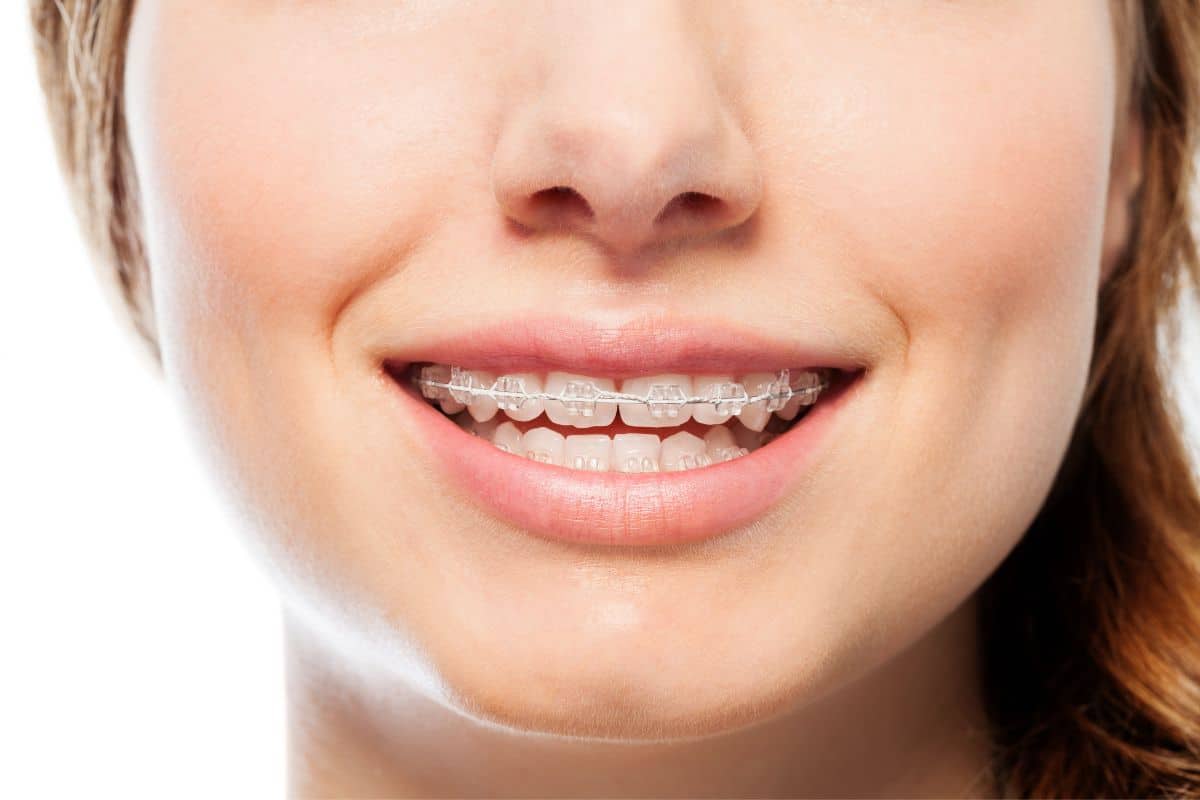
Orthodontics is a branch of dentistry focused on diagnosing, preventing, and treating dental and facial irregularities. Many people think of braces when they hear “orthodontics,” but the field encompasses much more. So, how do you determine if you need orthodontic treatment? This guide will help you identify the signs that indicate you might benefit from visiting an orthodontist.
Understanding Orthodontics
Orthodontics involves correcting misaligned teeth and jaws. Treatment can address a variety of issues, including crooked teeth, overbites, underbites, and gaps. An orthodontist can provide a comprehensive evaluation to determine if orthodontic intervention is necessary.
Orthodontic issues can be congenital or develop over time. Early diagnosis is crucial because it can prevent more severe problems later. Here are some key indicators that might suggest you need orthodontic care.
Signs You Might Need Orthodontics
1. Crooked or Misaligned Teeth
One of the most common reasons people seek an orthodontist is crooked or misaligned teeth. Crooked teeth can affect your bite and make oral hygiene more difficult. Misaligned teeth are also more prone to wear and tear, which can lead to other dental issues.
2. Overbite or Underbite
An overbite occurs when the upper front teeth significantly overlap the lower front teeth. Conversely, an underbite happens when the lower teeth protrude beyond the upper teeth. Both conditions can lead to difficulty chewing, speaking problems, and increased wear on your teeth. An orthodontist in Omaha can assess these issues and suggest appropriate treatments.
3. Gaps Between Teeth
Spaces between teeth can be more than just a cosmetic concern. Gaps can lead to shifting of the adjacent teeth, which might affect your bite and overall dental health. If you notice gaps or spaces between your teeth, it’s a good idea to consult with an orthodontist in Omaha to explore potential solutions.
4. Difficulty Chewing or Biting
If you have trouble chewing or biting food, it could indicate a problem with your bite alignment. Misalignment can make it hard to properly break down food, leading to digestive issues and discomfort. An orthodontist in Omaha can evaluate your bite and determine if orthodontic treatment could improve your chewing efficiency.
5. Excessive Tooth Wear
If you notice that your teeth are wearing down faster than usual, it might be a sign of bite problems. Misaligned teeth can cause uneven wear and tear, leading to enamel erosion and potential damage. Consulting with an orthodontist in Omaha can help address these issues before they result in more serious problems.
6. Speech Difficulties
Some orthodontic issues can affect your ability to speak clearly. Misaligned teeth or jaws can cause speech impediments, making it hard to pronounce certain sounds. If you’re experiencing speech difficulties related to your dental alignment, an orthodontist in Omaha can provide a diagnosis and suggest treatments to improve your speech.
7. Jaw Pain or Discomfort
Persistent jaw pain or discomfort may be related to orthodontic issues such as bite misalignment. Conditions like temporomandibular joint disorder (TMJ) can be exacerbated by alignment problems. An orthodontist can assess your jaw alignment and recommend treatments to alleviate pain and improve function.
8. Aesthetic Concerns
While aesthetics are not the only reason for seeking orthodontic treatment, they are a common motivation. If you’re unhappy with the appearance of your teeth or smile, orthodontics can provide significant improvements. An orthodontist can discuss cosmetic options, such as clear aligners or braces, to help you achieve the smile you desire.
What to Expect When Visiting an Orthodontist
If you suspect you need orthodontics, the first step is to schedule a consultation with an orthodontist in Omaha. During your visit, the orthodontist will conduct a thorough examination, which may include X-rays, photographs, and impressions of your teeth. They will assess your dental alignment, bite, and overall oral health.
Based on their findings, the orthodontist will discuss your treatment options. These might include traditional braces, clear aligners, or other orthodontic appliances. They will provide a detailed plan outlining the expected duration of treatment and the goals to be achieved.
Identifying the need for orthodontics involves recognizing various signs and symptoms that indicate misalignment or other dental issues. If you experience any of the signs mentioned, consulting with an orthodontist in Omaha can help you determine the best course of action. Early intervention can prevent more severe problems and improve both the function and appearance of your smile. Don’t hesitate to reach out to an orthodontist to get started on your path to better dental health and a more confident smile.