Text: 402-773-6276



How Long Does Orthodontic Treatment Usually Take?

If you are considering braces or Invisalign in Omaha, one of your first questions may be, “How long will my orthodontic treatment take?” There is no single timeline that applies to every patient. The length of treatment depends on the type and severity of the orthodontic problem, your age and growth, the treatment method selected, and how consistently you follow your orthodontist’s instructions.
For many patients, comprehensive orthodontic treatment takes about 12 to 24 months, although some simpler cases may finish sooner and more complex cases can take longer. The American Association of Orthodontists (AAO) emphasizes that treatment duration is individualized and should be estimated by an orthodontist after evaluating the patient’s specific needs.
At Discover Orthodontics, Dr. Molly Bodendorfer brings a personal understanding of orthodontic treatment to her work as an Omaha orthodontist. Her own experience with orthodontics helped inspire her career, and she is passionate about helping patients of different ages achieve healthy, confident smiles. Interested in braces or Invisalign? Contact Discover Orthodontics to discuss your smile goals and explore the treatment options that may be right for you.
How Long Does Orthodontic Treatment Take in Omaha?
For most patients, orthodontic treatment falls within the 12- to 24-month range. A systematic review of fixed orthodontic treatment found an average treatment time of approximately 20 months, while the AAO gives a typical braces range of 12 to 24 months.
Your timeline may be shorter or longer depending on what needs to be corrected. Minor spacing or alignment concerns may require less treatment, while significant crowding, bite problems, tooth rotations, or jaw-related concerns can require additional time.
What Factors Affect Orthodontic Treatment Time?
Several factors can influence how quickly your treatment progresses:
1. Complexity of your orthodontic problem
Straightening a few mildly crooked teeth may take less time than correcting severe crowding, spacing, overbite, underbite, crossbite, or other bite problems.
2. Type of treatment
Braces and clear aligners can both be effective, but the appropriate option depends on your specific orthodontic needs. The AAO notes that appliance selection should be based on the complexity of the malocclusion rather than simply choosing the treatment that appears fastest.
3. Age and growth
Orthodontic treatment can be effective for children, teens, and adults. Adults may sometimes require more time because their jaw bones are no longer growing and the surrounding bone is more mature.
4. Treatment compliance
Following your orthodontist’s instructions can help keep treatment on schedule. For braces, this may include wearing elastics as prescribed, maintaining good oral hygiene, avoiding foods that can damage appliances, and attending scheduled appointments. With Invisalign, wearing aligners as directed is particularly important.
5. Unexpected delays
Broken brackets, lost aligners, missed appointments, or not following appliance instructions can interfere with planned tooth movement and potentially extend treatment.
How Long Do Braces Take?
Braces typically take about 12 to 24 months, although your individual timeline may fall outside this range. The AAO notes that some patients require only a few months for limited corrections, while complex cases can take several years.
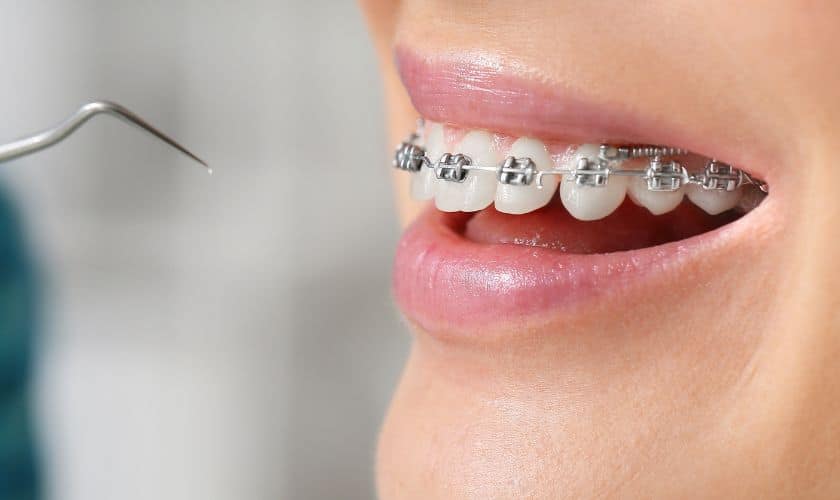
During treatment, brackets and wires apply controlled forces to gradually move the teeth and improve the bite. Your orthodontist will monitor tooth movement at regular appointments and make adjustments as needed.
If you are researching braces, the most useful question is not simply, “How fast can braces work?” Instead, ask which treatment approach can address your specific alignment and bite concerns safely and predictably.
How Long Does Invisalign Take?
For patients who are candidates for Invisalign, treatment commonly takes about 12 to 18 months, although some cases can be completed in less time and more complex cases may take longer. Discover Orthodontics reports a typical Invisalign treatment range of 12 to 18 months.
Invisalign uses a series of removable clear aligners that gradually move the teeth according to a customized treatment plan. For predictable progress, Invisalign recommends wearing aligners for approximately 20 to 22 hours per day, removing them for eating, drinking, brushing, and flossing.
Because Invisalign aligners are removable, patient participation is especially important. Wearing them inconsistently can affect how closely your actual progress follows the planned timeline.
Does Orthodontic Treatment Take Longer for Adults?
Not necessarily, but adults can sometimes require a longer treatment period than younger patients with similar orthodontic problems. The AAO explains that adult teeth can take more time to move because the supporting bone is more mature.
That does not mean adults cannot achieve excellent results. Braces and Invisalign can both be options for adults, depending on their teeth, bite, gum health, and treatment goals.
What Happens During an Orthodontic Treatment Timeline?
Your orthodontic journey generally includes several stages:
Consultation and Diagnosis
Your orthodontist evaluates your teeth, bite, jaw relationships, and overall orthodontic needs. Diagnostic records may include digital scans, photographs, and X-rays. The AAO recommends discussing the expected treatment duration, treatment options, and other important considerations during the initial examination.
Active Treatment
You begin treatment with braces, Invisalign, or another appliance. Regular appointments allow your orthodontist to monitor progress and make necessary adjustments.
Finishing and Refinement
As treatment progresses, your orthodontist focuses on final tooth positions and bite relationships. Invisalign patients may receive additional aligners when refinement is clinically appropriate.
Retention
After active treatment, retainers help maintain your results. Teeth can shift over time, so following your orthodontist’s retainer instructions is an important part of long-term treatment success.
When Should a Child See an Orthodontist?
Orthodontic treatment is not limited to teenagers. The AAO recommends that children have their first orthodontic checkup by age 7, even if braces are not immediately necessary. An early evaluation allows an orthodontist to identify developing problems involving tooth eruption, crowding, jaw growth, or bite alignment and determine the appropriate time for treatment.
Early evaluation does not automatically mean early braces. In many cases, the best recommendation may simply be to monitor growth and begin treatment at the appropriate stage.
Start Your Orthodontic Treatment in Omaha
Whether you are considering braces, Invisalign, or early orthodontic treatment, your treatment timeline should be based on your individual smile rather than a generic estimate. Discover Orthodontics provides personalized orthodontic care in Omaha, with Dr. Molly Bodendorfer and the team focused on creating healthy, functional, confident smiles.
If you are ready to find out how long your orthodontic treatment may take, schedule a consultation with Discover Orthodontics to discuss your goals and treatment options.
Frequently Asked Questions
How long do braces take to straighten teeth?
Most comprehensive braces treatment takes approximately 12 to 24 months, but your timeline depends on the complexity of your case and how well you follow your treatment plan.
Is Invisalign faster than braces?
Not necessarily. Invisalign treatment commonly takes around 12 to 18 months at Discover Orthodontics, but treatment time varies by patient. The best option depends on the orthodontic problem being treated, not simply which appliance has the shortest advertised timeline.
How quickly do braces start working?
Tooth movement begins during the early stages of treatment, but visible changes and final results take time. Your orthodontist will monitor progress throughout treatment rather than relying on a fixed number of months.
Can I shorten my orthodontic treatment time?
You cannot safely choose an arbitrary shorter timeline. However, keeping appointments, following appliance instructions, wearing Invisalign aligners as directed, maintaining good oral hygiene, and avoiding damage to braces can help prevent unnecessary delays.
How do I know how long my treatment will take?
The most accurate estimate comes from an orthodontic evaluation. An orthodontist in Omaha can assess your teeth and bite, review your treatment options, and provide a personalized estimate based on your specific orthodontic needs.