Text: 402-773-6276



Can Orthodontics Fix Uneven Jaw?


If you have an uneven jaw, you’re not alone. Many people face this issue, which can cause discomfort, affect your bite, and impact your overall appearance. Luckily, orthodontics offers solutions that can help. In this blog, we’ll explore how orthodontic treatments can address an uneven jaw and what you can expect from working with an orthodontist.
Understanding Uneven Jaw
Before diving into treatment options, it’s important to understand what causes an uneven jaw and how orthodontics can help.
What Causes an Uneven Jaw?
An uneven jaw can result from various factors. Common causes include:
- Genetics: If your family members have had jaw issues, you might be more prone to them as well.
- Developmental Issues: Sometimes, the jawbones don’t develop as they should during childhood.
- Injury: Trauma to the face or jaw can cause misalignment.
- Teeth Alignment Issues: Crooked teeth or misaligned bites can contribute to an uneven jaw.
Understanding the cause is essential for your orthodontist in Omaha to recommend the best treatment plan for you.
How Does an Uneven Jaw Affect Your Health?
An uneven jaw can have several implications:
- Functional Problems: It can cause difficulty chewing or speaking.
- Aesthetic Concerns: It may affect the symmetry of your face.
- Pain: You might experience jaw pain or discomfort.
- Dental Issues: Misalignment can lead to problems like tooth wear or gum issues.
Addressing these issues is crucial for both health and comfort. That’s where your orthodontist in Omaha comes in.
How Can Orthodontics Help with an Uneven Jaw?
Orthodontics can be effective in correcting an uneven jaw, but it depends on the severity of the issue. Your orthodontist in Omaha will evaluate your condition and determine the appropriate treatment.
Orthodontic Treatments for Uneven Jaw
There are several orthodontic treatments available to help fix an uneven jaw. Here’s a closer look at these options:
Braces
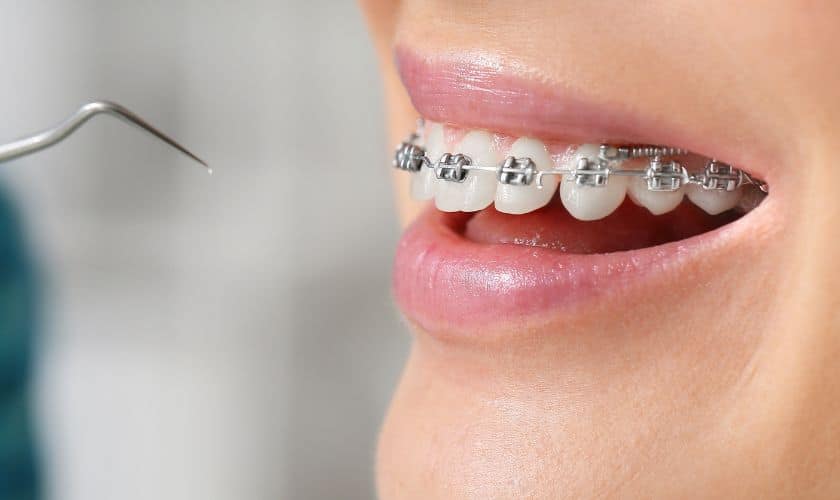
Braces are one of the most common orthodontic treatments. They consist of brackets, wires, and bands that gradually shift your teeth into the correct position.
- Traditional Braces: These are the metal braces you might be familiar with. They are effective for correcting various jaw issues, including uneven jaws.
- Ceramic Braces: These function like traditional braces but are less noticeable. They can be a good option if you’re concerned about the appearance of metal braces.
Your orthodontist in Omaha will help you decide which type of braces is best for your situation.
Clear Aligners
Clear aligners are a popular alternative to traditional braces. They are custom-made, removable trays that gradually straighten your teeth.
- Invisalign: This is a well-known brand of clear aligners. Invisalign can address some issues related to uneven jaws, depending on the severity of the problem.
If you prefer a more discreet treatment option, clear aligners from an orthodontist in Omaha might be the right choice for you.
Jaw Expanders
For individuals with a narrow upper jaw, a jaw expander might be used. This device widens the upper jaw to improve alignment.
- Palatal Expanders: These are commonly used to correct crossbites and can help create space for the teeth to align properly.
- Quad Helix: This is another type of expander that can address various jaw alignment issues.
Your orthodontist in Omaha will determine if a jaw expander is suitable for your needs.
Headgear
Headgear is a less common treatment but can be used in certain cases. It applies pressure to help correct the alignment of your jaw and teeth.
- Cervical Headgear: This type of headgear supports the jaw and helps in alignment.
- High-Pull Headgear: This design works to move the teeth and jaw into the correct position.
While not as frequently used as braces or aligners, headgear might be part of your treatment plan if recommended by your orthodontist in Omaha.
Surgical Options
For more severe cases, orthodontics alone might not be enough. In such situations, surgical options may be considered.
- Orthognathic Surgery: This type of surgery corrects jaw misalignment and is often combined with orthodontic treatments.
Your orthodontist in Omaha will refer you to a surgeon if they believe surgery is necessary for your treatment.
Retainers
After your main orthodontic treatment, retainers are used to maintain the results.
- Fixed Retainers: These are bonded to the teeth and are less visible.
- Removable Retainers: These can be taken out for cleaning and are often used after the initial treatment phase.
Your orthodontist in Omaha will explain how to care for and use your retainers to keep your jaw aligned.
Choosing the Right Orthodontist in Omaha
Selecting the right orthodontist in Omaha is crucial for successful treatment. Here are a few tips to help you make your decision:
Look for Experience and Expertise
Choose an orthodontist with extensive experience in treating jaw alignment issues. Look for reviews and testimonials to gauge their reputation.
Check Credentials and Qualifications
Ensure that the orthodontist is board-certified and has relevant qualifications. This indicates a high standard of professional competence.
Consider the Range of Services Offered
A good orthodontist in Omaha will offer a variety of treatments. This way, you have options for addressing your uneven jaw.
Evaluate the Clinic’s Technology and Techniques
Modern technology and techniques can improve the effectiveness and comfort of your treatment. Make sure the clinic is up-to-date with the latest advancements.
Orthodontics offers several effective treatments for fixing an uneven jaw, from braces and clear aligners to jaw expanders and, in severe cases, surgery. Working with a skilled orthodontist in Omaha ensures you receive the best care and achieve optimal results. If you’re struggling with an uneven jaw, consider scheduling a consultation with an orthodontist in Omaha to explore your options and start on the path to a healthier, more aligned smile.
By addressing your concerns with a knowledgeable orthodontist in Omaha, you can take proactive steps toward improving both your jaw alignment and overall dental health.