Text: 402-773-6276



What Type of Braces Is Right for Your Child’s Age?

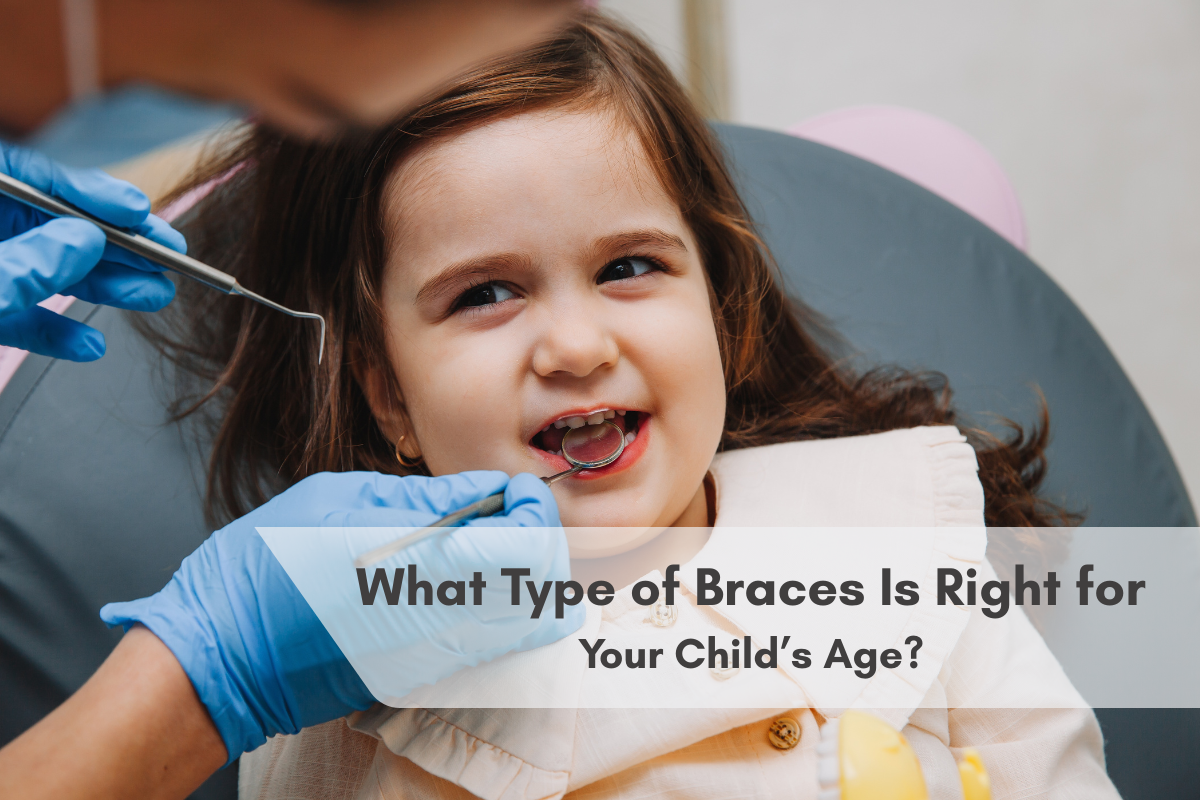
Families around Midtown Omaha often bring this question up during routine visits. Sometimes it starts after a school dental screening. Other times, it comes from noticing crowded teeth in photos or subtle changes in how a child bites or speaks. What many parents don’t expect is that the “right” braces choice depends heavily on timing. Age affects jaw growth, tooth movement, and even how well a child can handle treatment.

At Discover Orthodontics, Dr. Molly Bodendorfer focuses on timing as much as technique. With a patient-first approach and modern diagnostics, she helps families understand not just what treatment to choose, but when it makes the most sense for long-term stability and comfort. Ready to find the right timing and treatment for your child? Contact Discover Orthodontics or call our office today to get personalized guidance.
Why age plays a bigger role than most parents think
Children are still developing, and that changes everything in orthodontics. Their jaws are growing, permanent teeth are still coming in, and habits like thumb sucking or tongue positioning can shape how the bite develops.
In younger children, treatment is often about guiding growth. In teens, it shifts toward correcting alignment. That difference alone can determine which braces option will actually work.
One of the most common patterns we see in Omaha is parents choosing based on appearance or popularity. The better approach is to match the orthodontic treatment to your child’s developmental stage.
Ages 7 to 9: Early evaluation, not always full braces
This is the stage when orthodontic evaluations are most valuable. It does not mean every child needs braces right away.
At this age, we look for:
- Jaw alignment concerns like crossbite or underbite
- Early crowding patterns
- Habits affecting development
In many cases, full braces are not the first step.
What typically works best:
- Space maintainers
- Palatal expanders
- Limited or partial braces in specific cases
Parents are often relieved to hear that immediate full treatment is not always necessary. Starting too early without a clear reason can lead to longer overall treatment time.
Ages 10 to 12: The window many families miss
This stage is often overlooked, but it can make a big difference in how simple or complex treatment becomes later.
Children are in a mixed dentition phase, meaning they have both baby and permanent teeth. This creates an opportunity to guide alignment before issues become more severe.
Best options during this phase:
- Traditional metal braces if alignment issues are already present
- Early corrective treatment to reduce future complications
This is also when many families begin researching braces providers in Omaha after a dentist flags concerns.
What we see in real cases:
Children who start at the right time in this phase often avoid extractions or longer treatment later. Waiting just one or two years can change the entire plan.
Ages 13 to 17: The most flexible stage for treatment
This is when most children begin full orthodontic care.
At this point:
- Most permanent teeth are in place
- Jaw growth is still active but slowing
- Responsibility levels are usually higher
Families have more choices during this stage.
Common options include:
- Metal braces, which are highly effective and durable
- Ceramic braces, which are less noticeable
- Clear aligners for teens who can stay consistent
Where decisions can go wrong:
Some teens prefer clear aligners for their appearance, but maintaining consistency can be challenging. Aligners must be worn most of the day to work properly. When wear time drops, treatment slows or requires adjustments.
Choosing what actually works for your child
The best choice is not about trends or appearance. It is about what fits your child’s age, growth stage, and daily habits.
Here is how we typically guide families:
- Younger children benefit from growth-focused solutions rather than full braces
- Preteens may need early correction to prevent bigger issues
- Teens can choose from a wider range of options, including aesthetic ones
When families come in for a braces consultation in Omaha, the conversation often shifts quickly. Instead of focusing on what looks best, we focus on what will work reliably and efficiently.
Signs you may be starting too early or too late
Timing matters more than most parents expect.
Starting too early:
- No clear orthodontic issue
- Treatment becomes unnecessarily long
- Motivation drops over time
Waiting too long:
- Crowding becomes more severe
- Bite issues become harder to correct
- Treatment may require more complex steps
A timely evaluation helps avoid both extremes.
Common misconceptions parents have
Clear aligners are always better for kids
Not necessarily. Younger patients often struggle with consistency.
All braces work the same way
Different systems are designed for different levels of correction.
We should wait until all adult teeth come in
That works in some cases, but certain bite issues are easier to correct earlier.
What families experience in real life
Across Omaha families, we consistently notice a few patterns:
- Parents wait, hoping teeth will straighten naturally
- Teens request less visible options but struggle with compliance
- Early guidance often leads to simpler treatment later
And beyond treatment itself, the overall experience matters to families.
One parent recently shared:
“I love bringing my son here for his braces. Everyone is always so friendly, welcoming, and quick, too. We’re never waiting around either, not even waiting long enough for my son to get out his phone, open an app, and start a game before they’re calling him to go on back. Then the next thing I know is he’s all done and I’m scheduling his next visit. Oh and I can’t forget to mention my favorite part – the giant saltwater fish tank! Got Nemo and Dory right there to entertain you.” – Jeni
Experiences like this often ease the hesitation parents feel before starting treatment. If you are still unsure, exploring more patient reviews on Google can give you a clearer picture of what to expect during visits and throughout the process.
Making a confident decision
Choosing braces becomes much easier when you understand timing, growth, and your child’s habits.
At Discover Orthodontics, we help families make informed decisions without pressure or confusion. Whether your child is showing early signs or already needs treatment, a professional evaluation can bring clarity.
Ready to find out what works best for your child right now? Schedule an appointment with Discover Orthodontics or call today to get personalized guidance.
The right orthodontic decision comes from understanding when to act and how to support your child through the process. Our goal is to guide families with clarity, using experience and careful evaluation to create results that last.
FAQs: What parents often ask before deciding
Are braces different for younger kids versus teens?
Yes. Younger children often need growth guidance, while teens usually need full alignment treatment.
Can a 7 to 9-year-old get braces?
Yes, but only in certain situations. Most children at this age do not need full braces.
What braces are best for middle school kids?
Metal braces are often the most effective for moderate alignment issues.
Does age affect treatment success?
Yes. Timing can influence how long treatment takes and how complex it becomes.
Are clear aligners suitable for younger kids?
They can be, but success depends on how consistently they are worn.
Will my child need braces twice if we start early?
Sometimes treatment happens in phases, but early care often reduces complexity later.
How do I know if we are waiting too long?
Signs like crowding, bite problems, or a dentist referral are strong indicators.
What if my child wants less noticeable braces?
There are discreet options, but effectiveness and consistency should guide the decision.