Text: 402-773-6276



What Is the Ideal Time for Orthodontic Treatment?

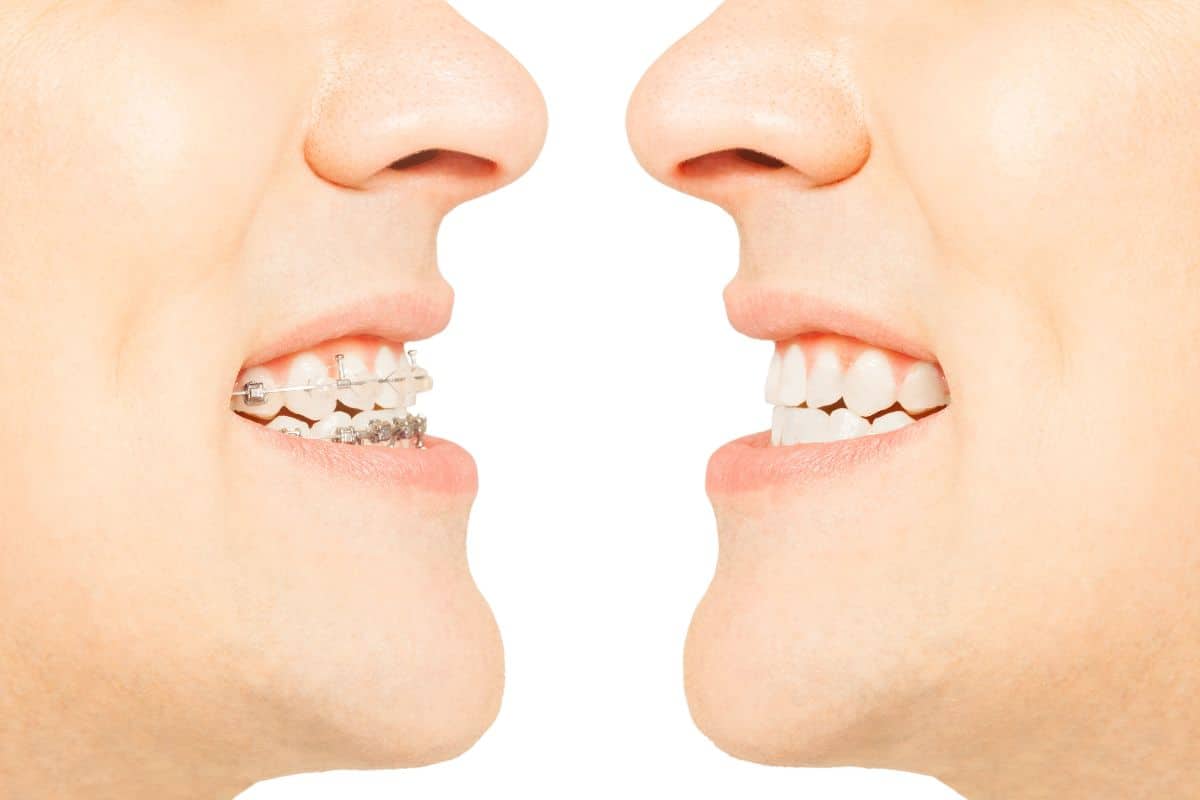
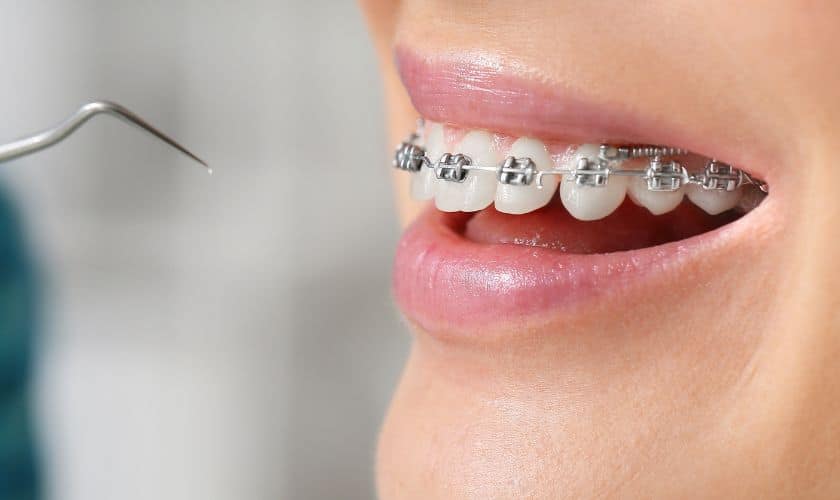
Orthodontic treatment is an essential aspect of dental care, often necessary for correcting misalignments in teeth and jaw. The ideal time for such treatment can vary based on several factors, including age, dental development, and specific dental issues. This blog will explore when to seek orthodontic care, what signs to look for, and the benefits of early intervention.
Understanding Orthodontics
Orthodontics is a specialty within dentistry focused on diagnosing, preventing, and treating dental and facial irregularities. The most common orthodontic treatments involve braces, aligners like invisalign, or other devices that help align teeth, improving both function and aesthetics. Understanding when to start treatment is crucial for achieving the best results.
Early Orthodontic Evaluation
The American Association of Orthodontists (AAO) recommends that children have their first orthodontic evaluation by age seven. At this age, most children have a mix of primary and permanent teeth, allowing orthodontists to identify any potential issues. Early evaluation can help address concerns before they become more complex, making treatment easier and often less invasive.
Signs of Orthodontic Issues
Parents should look for specific signs that may indicate a need for early orthodontic evaluation, including:
- Crowded or overlapping teeth: If teeth appear cramped or overlap, this could indicate insufficient space for proper alignment.
- Bite problems: If your child experiences difficulty biting or chewing, or if their teeth do not align correctly when the mouth is closed, an evaluation may be needed.
- Thumb sucking or prolonged pacifier use: These habits can affect jaw and teeth alignment.
- Early or late loss of primary teeth: Losing baby teeth too early or late can disrupt the natural alignment of permanent teeth.
The Best Age for Orthodontic Treatment
While the AAO suggests a first evaluation by age seven, the ideal age to begin orthodontic treatment varies. Typically, children between the ages of 9 and 14 are the best candidates for braces. This period is optimal because most of their permanent teeth have erupted, and the jaw is still growing, allowing for better alignment adjustments.
Phase One vs. Phase Two Treatment
Orthodontic treatment can often be divided into two phases:
- Phase One Treatment: This is typically recommended for younger children (around ages 7-10) and focuses on correcting specific issues such as crossbites, severe crowding, or protruding teeth. Phase One can help guide the growth of the jaw and make room for permanent teeth.
- Phase Two Treatment: This phase usually occurs once most of the permanent teeth have erupted, often between ages 11 and 15. Phase Two treatment aims to fine-tune the positioning of the teeth, addressing any remaining issues after Phase One.
Factors Influencing Treatment Timing
Several factors can influence the timing of orthodontic treatment:
- The severity of the dental issue: More severe misalignments may require earlier intervention to prevent further complications.
- Child’s growth pattern: Each child grows at a different rate, and orthodontists may recommend treatment based on individual growth patterns.
- Patient compliance: The success of orthodontic treatment often depends on the patient’s willingness to follow instructions, such as wearing retainers or aligners as directed.
Benefits of Early Intervention
Early orthodontic intervention offers several advantages:
- Preventing future problems: Early treatment can address issues before they worsen, reducing the risk of more extensive treatment later.
- Improved self-esteem: Correcting misalignments at a younger age can enhance a child’s confidence and social interactions.
- Shorter treatment times: Early intervention may result in shorter overall treatment durations compared to waiting until all permanent teeth are in place.
When is Too Late for Orthodontic Treatment?
While there is no specific age limit for orthodontic treatment, waiting too long can lead to complications. Adults can still benefit from orthodontics, but they may face challenges such as:
- Bone density changes: As we age, bone density can decrease, making tooth movement slower and less predictable.
- Complex dental issues: Adults may have more complex issues, such as missing teeth or periodontal disease, which can complicate treatment plans.
The ideal time for orthodontic treatment varies for each individual, but early evaluation around age seven is crucial for identifying potential issues. Most effective treatment occurs between the ages of 9 and 14, but adults can also seek orthodontic care if needed. By understanding the signs of orthodontic problems and the benefits of timely intervention, patients can ensure they achieve optimal dental health and a beautiful smile.
If you or your child are experiencing any signs of misalignment or dental issues, consult with an orthodontist in Omaha to discuss the best course of action and timing for treatment. Taking proactive steps now can lead to a healthier, more confident smile in the future.