Text: 402-773-6276



How Does Invisalign Pull Teeth Down?

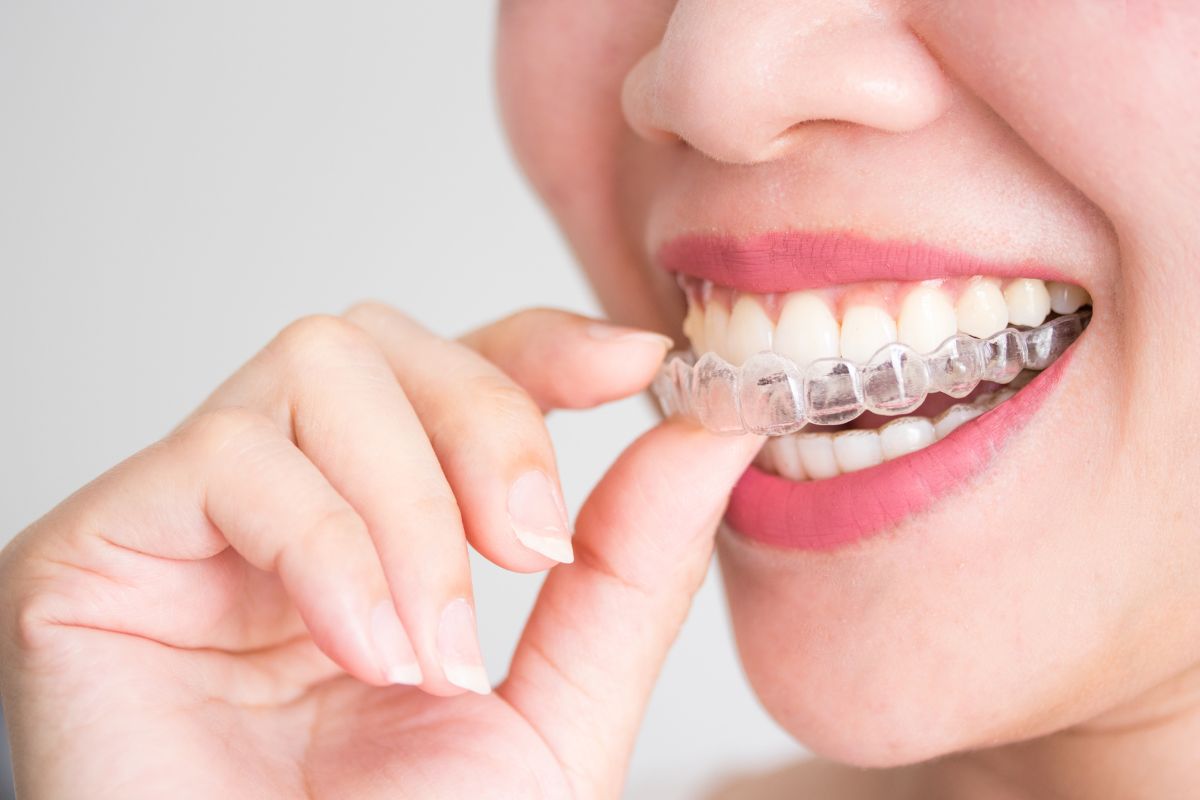
Invisalign has become a popular alternative to traditional braces for patients seeking a discreet way to straighten their teeth. One of the key aspects of Invisalign treatment is its ability to move teeth in different directions, including pulling teeth down to achieve proper alignment. In this blog, we’ll explore how Invisalign works to pull teeth down and the technology behind its effectiveness.
What is Invisalign?
Invisalign is a modern orthodontic treatment that uses a series of clear, custom-made aligners to straighten teeth. Unlike traditional metal braces, Invisalign aligners are virtually invisible, making them a popular choice for adults and teens who want to improve their smiles without drawing attention to their treatment.
Invisalign aligners are made from a smooth, comfortable plastic that gently shifts your teeth into better positions. The aligners are typically changed every one to two weeks, and each new aligner is designed to move your teeth gradually closer to the desired position.
How Invisalign Works to Pull Teeth Down
Invisalign aligners are designed to apply controlled pressure on your teeth in various directions. The movement of teeth, including pulling them down, is achieved by a combination of forces and precision planning.
1. Custom Treatment Plan
The first step in the Invisalign process is to consult with an orthodontist who specializes in the system. After an initial examination, your orthodontist will use digital scans, X-rays, and 3D imaging technology to create a personalized treatment plan. This detailed plan shows the exact movements each tooth will undergo throughout the treatment process.
For cases where teeth need to be pulled down, the aligner system is custom-designed to apply the right amount of force to those specific teeth. This ensures that the movement is gradual and precise, without causing discomfort or damage to surrounding teeth.
2. Precise Force Application
To move teeth downward, Invisalign aligners are crafted to apply gentle, continuous pressure on the teeth that need to be shifted. The clear plastic trays are engineered to fit snugly around each tooth, and through a series of aligners, the pressure gradually moves the teeth into their desired positions.
For example, when a tooth is above its ideal position in the arch, the aligner will exert a force that encourages the tooth to move downward. Over the course of treatment, this pressure is distributed evenly, allowing the tooth to be pulled down into alignment without affecting the neighboring teeth.
3. Attachments and Elastic Bands
In some cases, additional features are used to help guide the movement of teeth. For teeth that need to be pulled down significantly, your orthodontist may attach small buttons or “attachments” to certain teeth. These attachments provide extra grip for the aligners, ensuring that the right amount of pressure is applied to the target tooth.
Elastic bands, or rubber bands, can also be incorporated into the Invisalign system. These bands are used to help apply additional pressure, particularly for more complex tooth movements like pulling teeth down. The rubber bands are connected to the aligners or attachments and work to move the teeth into position over time.
Benefits of Pulling Teeth Down with Invisalign
Invisalign’s ability to pull teeth down provides several benefits compared to traditional orthodontic methods. Some of these benefits include:
1. Aesthetic Appeal
One of the major advantages of using Invisalign for tooth movement is the aesthetic benefit. Unlike traditional braces, Invisalign aligners are clear and discreet. This makes them an excellent option for patients who are concerned about the appearance of metal brackets and wires.
2. Comfortable Treatment
Invisalign aligners are made from a smooth, flexible plastic that’s gentle on the gums and teeth. Unlike traditional braces, there are no sharp metal brackets or wires that can cause irritation or discomfort. Additionally, since the aligners are custom-fitted to your teeth, they tend to be more comfortable during the entire treatment process.
3. Better Oral Hygiene
Because Invisalign aligners are removable, patients can continue brushing and flossing their teeth as they normally would. This is a significant advantage over traditional braces, where cleaning around brackets and wires can be more difficult. With Invisalign, maintaining good oral hygiene is easier, reducing the risk of cavities, gum disease, or plaque buildup.
4. Fewer Orthodontist Visits
Invisalign treatment typically requires fewer visits to the orthodontist compared to traditional braces. Since aligners are designed in advance, most patients only need to visit their orthodontist every six to eight weeks for progress checks. This convenience saves time and minimizes interruptions to your daily routine.
When is Invisalign Used to Pull Teeth Down?
Invisalign can be an effective treatment option for pulling teeth down in a variety of situations. Some common scenarios where Invisalign might be used to move teeth downward include:
1. Overbite Correction
An overbite occurs when the upper teeth overlap the lower teeth excessively. In some cases, pulling the upper teeth downward can help correct this issue and achieve a more balanced bite. Invisalign can gradually move the teeth to their proper position, improving both the appearance of the smile and the functionality of the bite.
2. Teeth with Uneven Alignment
Teeth positioned too high in the mouth may not align properly with the rest of the teeth. Invisalign can gently pull these teeth down to improve overall alignment and appearance.
3. Tooth Extrusion
Tooth extrusion occurs when a tooth is raised above its ideal position in the gumline. Invisalign aligners can be used to gradually move the tooth down into its correct position, restoring proper function and aesthetics.
Conclusion
Invisalign is a highly effective and comfortable way to straighten teeth, including pulling them down when necessary. Through a custom treatment plan, precise pressure application, and the use of attachments or elastic bands, Invisalign can achieve complex tooth movements like pulling teeth down to improve alignment and create a more harmonious smile. With its clear aligners, convenience, and minimal discomfort, Invisalign remains a top choice for patients seeking a modern orthodontic solution. If you’re considering Invisalign, consult with an orthodontist to determine if it’s the right treatment for you.