Text: 402-773-6276



How Do I Know if My Braces Are Working?

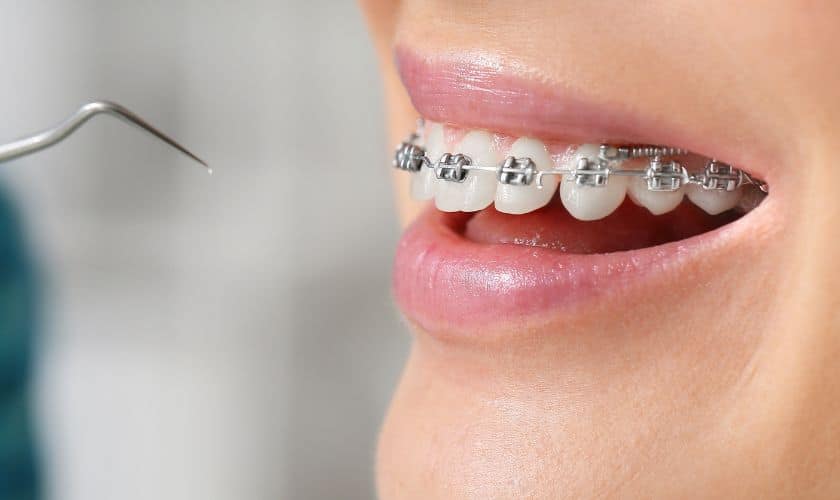
Braces are a significant investment in your dental health and confidence. If you’re undergoing orthodontic treatment, it’s essential to understand how to gauge the progress and effectiveness of your braces. This blog will guide you through the indicators that show your braces are working, helping you stay informed and reassured about your journey.
Understanding the Purpose of Braces
Before diving into the signs that your braces are working, it’s important to understand their primary purpose. Braces are designed to correct various dental issues, including:
- Misaligned Teeth: Braces help align teeth that are crooked or spaced unevenly.
- Bite Issues: They correct bite problems, such as overbites, underbites, and crossbites.
- Jaw Alignment: Braces can also help improve the alignment of the jaw.
The effectiveness of braces can vary depending on individual dental conditions, but there are several general signs to look for.
Signs Your Braces Are Working
1. Teeth Movement
One of the most obvious signs that your braces are working is the movement of your teeth. Over time, you should notice that your teeth are shifting into their correct positions. This movement might be gradual, but it’s a key indicator that your braces are doing their job.
- Initial Adjustment: In the first few weeks, you might experience soreness as your teeth begin to shift.
- Ongoing Movement: Regular visits to your orthodontist will show progressive changes in your teeth alignment.
2. Improved Bite Alignment
Braces are also designed to correct bite issues. If you notice that your bite is becoming more aligned, this is a positive sign that your braces are working.
- Better Occlusion: Your top and bottom teeth should start to fit together more comfortably.
- Reduced Jaw Discomfort: As your bite improves, you may experience less jaw discomfort and strain.
3. Decreased Gaps
Braces can close gaps between your teeth. If you start to see that these gaps are closing, it’s an indication that the braces are effective.
- Visible Changes: Once prominent Gaps will begin to reduce over time.
- Improved Appearance: As gaps close, your smile will begin to look more uniform and aesthetically pleasing.
4. Reduced Crowding
Teeth crowding occurs when there isn’t enough space in the mouth for all the teeth. Braces work to align crowded teeth, and you should notice a gradual improvement in spacing.
- Even Spacing: As treatment progresses, your teeth will become more evenly spaced.
- Easier Cleaning: With reduced crowding, maintaining oral hygiene becomes easier.
5. Feedback from Your Orthodontist
Regular visits to your orthodontist are crucial for monitoring progress. Your orthodontist will assess the effectiveness of your treatment and make necessary adjustments.
- Progress Reports: Your orthodontist will provide feedback on how well your braces are working and whether any adjustments are needed.
- Adjustments: Periodic adjustments to your braces ensure that they continue to work effectively as your teeth move.
Maintaining Effective Treatment
To ensure that your braces continue to work effectively, follow these guidelines:
1. Adhere to Orthodontic Instructions
Follow the instructions given by your orthodontist, including wearing any additional appliances or retainers as prescribed.
- Wear Rubber Bands: If prescribed, wear rubber bands as directed to aid in bite correction.
- Avoid Certain Foods: Steer clear of sticky or hard foods that could damage your braces.
2. Maintain Good Oral Hygiene
Proper oral hygiene is essential to prevent issues such as tooth decay and gum disease, which can affect the progress of your braces.
- Brushing and Flossing: Brush your teeth at least twice a day and floss daily to keep your braces and teeth clean.
- Regular Check-ups: Attend all scheduled appointments to ensure your braces are functioning correctly.
3. Monitor Any Issues
Be aware of any problems or discomfort related to your braces and address them promptly.
- Discomfort: Some discomfort is normal, but if you experience severe pain or issues, contact your orthodontist.
- Broken Brackets or Wires: If a bracket or wire breaks, seek prompt repair to avoid delaying your treatment.
Conclusion
Determining whether your braces are working involves observing several key indicators, including the movement of your teeth, improved bite alignment, and decreased gaps. Regular visits to your orthodontist and maintaining good oral hygiene are crucial for the success of your treatment. If you’re seeking guidance on your braces or need an orthodontic evaluation, consider consulting an experienced orthodontist in Omaha to ensure your treatment is on track.
By staying informed and proactive, you can achieve the best results from your braces and enjoy the benefits of a healthier, more aligned smile.