Text: 402-773-6276



How Are Misaligned Jaws Fixed by Orthodontists?

Misaligned jaws, a condition that can cause discomfort, functional issues, and aesthetic concerns, is a common issue that orthodontists address. Correcting misaligned jaws involves a variety of methods and treatments tailored to the individual’s needs. This blog explores the ways orthodontists fix misaligned jaws, including traditional braces, Invisalign treatment, and other orthodontic treatments.
Understanding Jaw Misalignment
Jaw misalignment, or malocclusion, occurs when the upper and lower jaws do not align correctly. This can lead to issues such as:
- Difficulty chewing or biting
- Speech problems
- Jaw pain or discomfort
- Uneven wear on teeth
Orthodontists are specialists trained to diagnose and treat these issues using various methods. Proper diagnosis is crucial to determine the most effective treatment plan.
Diagnostic Procedures
Before starting any treatment, an orthodontist conducts a comprehensive evaluation to assess the degree of misalignment. This may involve:
1. Clinical Examination
During the initial consultation, the orthodontist examines the patient’s bite and jaw alignment. This includes checking for any signs of misalignment, dental issues, or jaw problems.
2. X-rays and Imaging
X-rays, panoramic images, and 3D scans are used to get a detailed view of the jawbone structure and teeth alignment. These images help the orthodontist understand the depth of the problem and plan the appropriate treatment.
3. Dental Impressions
Creating impressions of the teeth and bite helps in crafting custom orthodontic devices. These impressions can be taken using traditional molds or digital scanners.
Treatment Options for Misaligned Jaws
Depending on the severity of the misalignment and the specific needs of the patient, several orthodontic treatments may be recommended. Here’s a look at the most common options:
1. Braces
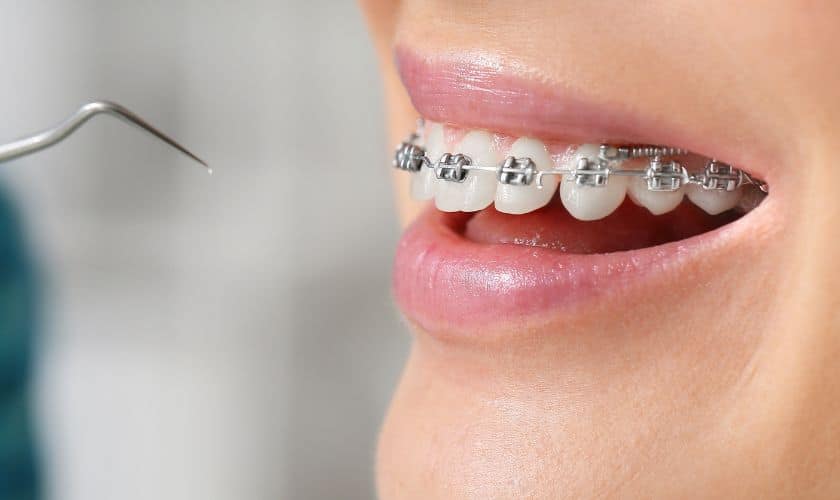
Traditional braces are one of the most effective ways to correct jaw misalignment. They consist of metal brackets, wires, and elastic bands that gradually shift teeth and jaws into the desired position. Braces can address a wide range of orthodontic issues, including severe misalignment and bite problems.
- Metal Braces: The most common type, made of stainless steel. They are highly effective for complex cases.
- Ceramic Braces: These are less noticeable than metal braces and are ideal for patients who prefer a more discreet option.
2. Invisalign Treatment
Invisalign is a popular alternative to traditional braces. This treatment uses a series of clear, removable aligners to gradually straighten teeth and correct jaw misalignment. Invisalign is favored for its:
- Aesthetics: The aligners are virtually invisible, making them a popular choice for adults and teens.
- Comfort: Made from smooth plastic, they are more comfortable than traditional braces and reduce the risk of mouth sores.
- Convenience: Aligners can be removed for eating, drinking, and oral hygiene, which can be more convenient than braces.
3. Orthodontic Appliances
In some cases, additional orthodontic appliances may be used to address specific issues:
- Palatal Expanders: Used to widen the upper jaw to improve alignment with the lower jaw.
- Headgear: Often used to correct severe cases of misalignment by applying gentle pressure to the jaw.
- Retainers: Worn after braces or Invisalign treatment to maintain the new position of the teeth and jaws.
4. Surgical Options
For severe cases of jaw misalignment that cannot be corrected with braces or Invisalign, surgical options may be necessary. Orthognathic surgery, or corrective jaw surgery, is performed by oral and maxillofacial surgeons to reposition the jawbone and improve alignment. This is usually combined with orthodontic treatment to achieve optimal results.
The Role of the Orthodontist
Orthodontists are highly trained specialists who manage and execute treatment plans for correcting jaw misalignment. Their responsibilities include:
- Diagnosing the Problem: Through detailed examination and diagnostic procedures.
- Creating a Treatment Plan: Tailored to the specific needs of the patient, which may include a combination of braces, Invisalign, and other appliances.
- Monitoring Progress: Regular check-ups to ensure the treatment is proceeding as planned and making adjustments as needed.
- Providing Aftercare: Ensuring the results are maintained with retainers and follow-up visits.
Benefits of Orthodontic Treatment
Addressing jaw misalignment with orthodontic treatment can lead to numerous benefits:
- Improved Function: Easier chewing, biting, and speaking.
- Enhanced Comfort: Reduction in jaw pain and discomfort.
- Better Oral Health: Aligned teeth are easier to clean and less prone to decay and gum disease.
- Aesthetic Improvement: A straighter smile and improved facial profile.
Choosing an Orthodontist
When seeking treatment for jaw misalignment, it’s important to choose a qualified orthodontist. Look for an experienced professional who offers a range of treatments and is familiar with the latest advancements in orthodontics.
If you’re searching for a top-notch orthodontist, consider visiting an orthodontist near you in Omaha for personalized care and expert treatment options.
Orthodontic treatments have come a long way in addressing jaw misalignment, offering various options to suit different needs and preferences. Whether you choose traditional braces, Invisalign treatment, or other specialized appliances, working with a skilled orthodontist can help you achieve a healthier, more aligned smile.