Text: 402-773-6276



Brace Yourself: A Guide To Different Types Of Orthodontic Treatments

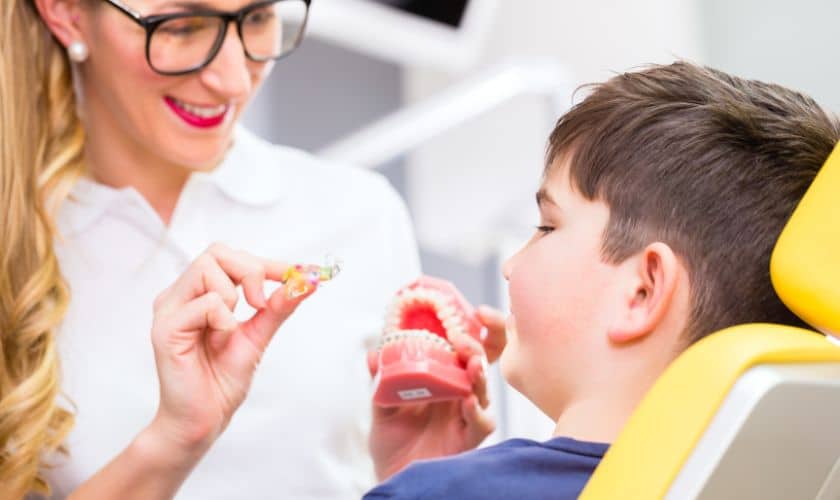
Orthodontic treatments play a crucial role in enhancing both the aesthetics and functionality of the teeth and jaw. If you’ve ever wondered about the various types of braces available, this comprehensive guide will help you navigate through the world of orthodontics. From traditional braces to cutting-edge aligners, we’ll explore the options that can straighten your smile and improve your oral health.
Traditional Braces
How They Work
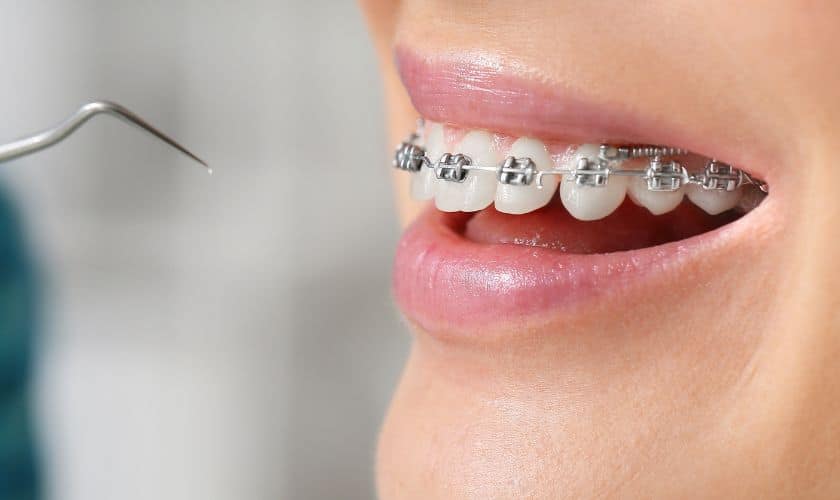
Traditional braces in Omaha consist of metal brackets attached to each tooth, connected by a wire. These braces use the tension created by the wire to gradually move the teeth into their desired positions. The orthodontist in Omaha adjusts the wire periodically, allowing for a controlled and precise adjustment of tooth alignment.
Advantages and Considerations
One of the advantages of traditional braces is their effectiveness in treating even severe misalignments. They are also generally more affordable than some alternative options. However, the visibility of metal braces can be a concern for some individuals, especially adults.
Ceramic Braces
How They Differ
Ceramic braces share the same fundamental structure as traditional braces but with one key difference — the brackets are made of clear or tooth-colored materials, making them less noticeable. This makes ceramic braces a popular choice for those who are conscious of the appearance of traditional metal braces.
Advantages and Considerations
The primary advantage of ceramic braces is their aesthetic appeal. They are more discreet compared to metal braces while offering similar effectiveness. However, ceramic braces may be more prone to staining, and they can be slightly more expensive than their metal counterparts.
Lingual Braces
Behind the Scene Alignment
Lingual braces work similarly to traditional braces but with a unique twist — they are attached to the back (lingual) surface of the teeth, making them virtually invisible from the front. This hidden placement addresses the cosmetic concerns associated with traditional braces.
Advantages and Considerations
The main advantage of lingual braces is their discreet nature. They provide effective tooth movement without the visual impact of traditional or ceramic braces. However, lingual braces can be more challenging to clean, and some people may experience initial discomfort due to tongue interference.
Invisalign and Clear Aligners
The Revolution of Invisible Alignment
Invisalign in Omaha and clear aligners represent a revolutionary approach to orthodontic treatment. These custom-made, removable trays gradually shift teeth into place without the need for brackets or wires. They are nearly invisible, providing a discreet option for those seeking orthodontic treatment.
Advantages and Considerations
Invisalign and clear aligners offer unparalleled aesthetic benefits and the convenience of being removable. They allow for easier oral hygiene maintenance and can be more comfortable than traditional braces. However, they may not be suitable for complex orthodontic cases, and compliance with wearing the aligners consistently is crucial for successful treatment.
Self-Ligating Braces
A Modern Twist on Traditional Braces
Self-ligating braces function similarly to traditional braces, but with a key difference — they use a specialized clip or mechanism to hold the archwire in place instead of elastic bands. This design allows for more efficient tooth movement and reduces friction during adjustments.
Advantages and Considerations
Self-ligating braces often require fewer adjustments, leading to potentially shorter treatment times. They can also be easier to clean compared to traditional braces. However, they may be a more expensive option, and not all orthodontic issues can be addressed with self-ligating braces alone.
Orthodontic treatments have evolved significantly, providing a range of options to suit diverse needs and preferences. Whether you opt for the tried-and-true traditional braces, the discreet ceramic or lingual braces, or the modern approach of clear aligners, the goal remains the same achieving a straighter and healthier smile.
Before embarking on any orthodontic journey, consult with an experienced orthodontist in Omaha who can assess your specific needs and guide you toward the most suitable treatment option. Remember, a beautiful smile goes beyond aesthetics; it contributes to overall oral health and well-being. So, brace yourself for a transformative journey towards a confident and radiant smile!