Text: 402-773-6276



Can You Pull Teeth Down with Invisalign?

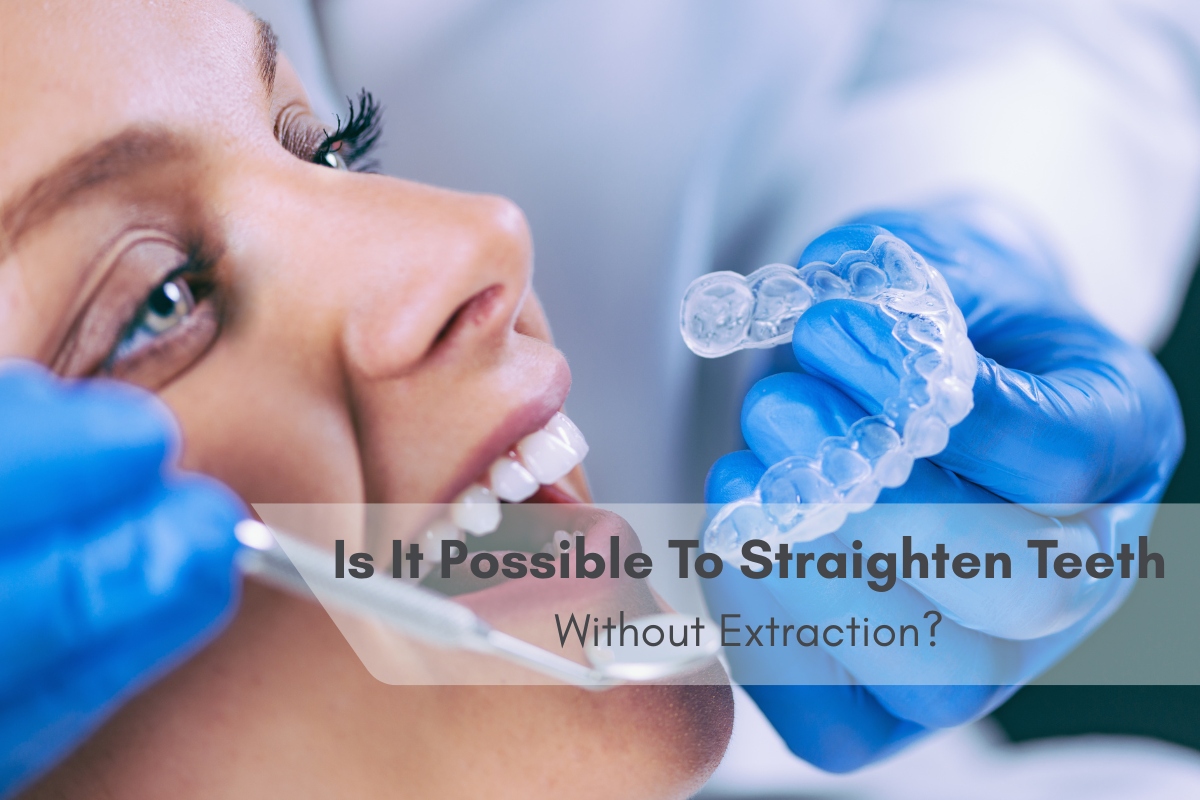
Invisalign is a popular orthodontic treatment known for its clear aligners, which offer a discreet alternative to traditional braces. While many people know that Invisalign can straighten teeth, there is often confusion about whether it can pull teeth down, a process known as extrusion. This blog will explore the capabilities of Invisalign, specifically focusing on tooth extrusion, and how it compares to other orthodontic methods.
Understanding Invisalign
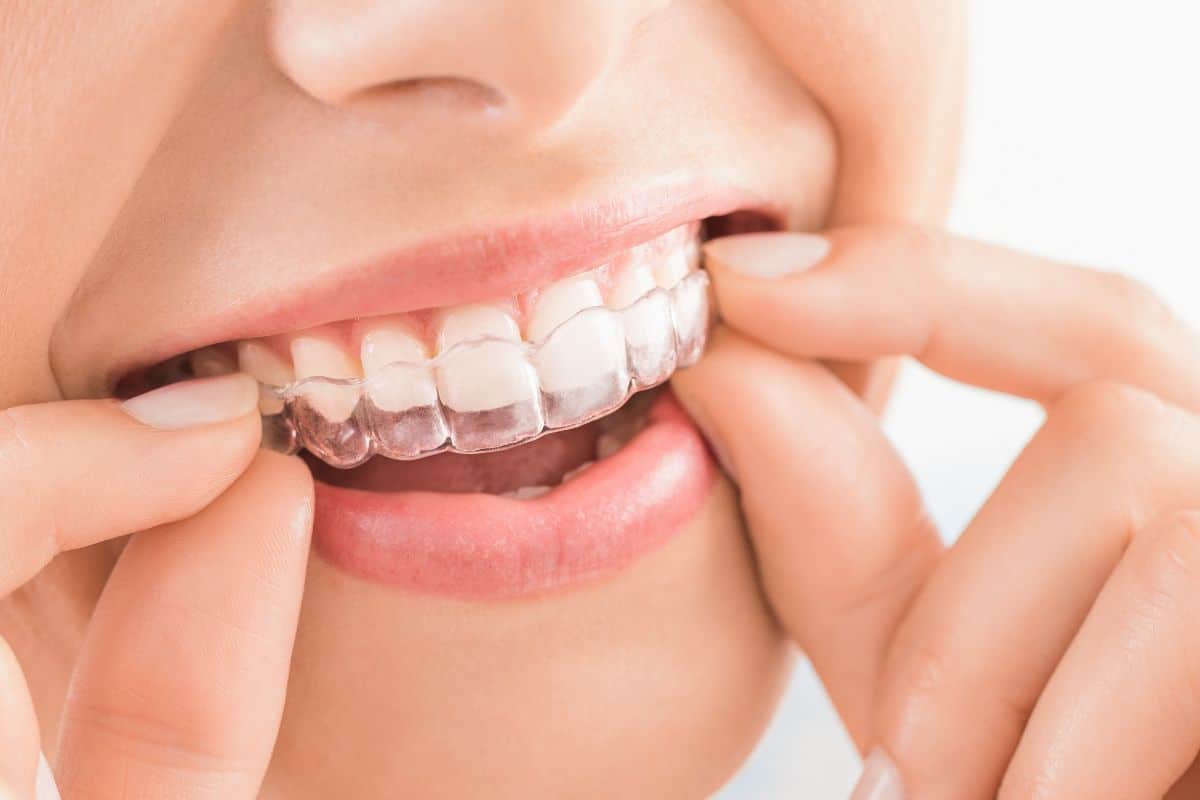
Invisalign has revolutionized the field of orthodontics with its clear, removable aligners. These aligners are custom-made to fit snugly over your teeth and are replaced every few weeks to gradually shift your teeth into the desired position. Many patients prefer Invisalign over traditional braces because they are less noticeable and can be removed for eating, drinking, and oral hygiene.
How Invisalign Works
Invisalign works by applying gentle, consistent pressure to the teeth. Each set of aligners is designed to move your teeth slightly, and over time, these small movements add up to significant changes. The treatment is planned using advanced 3D imaging technology, which allows orthodontists to create a detailed map of your teeth’s movement from start to finish.
Benefits of Invisalign
- Discreet Appearance: Invisalign aligners are clear, making them less noticeable than metal braces.
- Comfort: The aligners are made of smooth plastic, reducing the risk of irritation to your gums and cheeks.
- Convenience: You can remove the aligners for eating, drinking, brushing, and flossing.
- Predictable Results: The use of 3D imaging technology provides a clear treatment plan and expected outcome.
Common Misconceptions
Despite its many benefits, there are some misconceptions about what Invisalign can and cannot do. One common question is whether Invisalign can pull teeth down (extrusion). Understanding the capabilities and limitations of Invisalign is crucial for anyone considering this treatment.
Can Invisalign Pull Teeth Down?
Tooth extrusion, or the process of pulling a tooth down into its proper position, is a critical aspect of many orthodontic treatments. Whether you have a tooth that hasn’t fully erupted or one that is shorter than the others, extrusion might be necessary to achieve an even, functional bite. The question is, can Invisalign handle this task?
The Mechanics of Tooth Extrusion
Tooth extrusion involves applying a force that encourages the tooth to move downwards. Traditional braces achieve this through brackets and wires that can be adjusted to exert the necessary force. With Invisalign, the process is different but still effective.
Invisalign and Tooth Movement
Invisalign is capable of moving teeth in various directions, including up, down, and sideways. The aligners can be designed to include attachments, and small tooth-colored bumps that are bonded to specific teeth. These attachments provide the aligners with more grip, allowing them to apply the necessary force for complex movements like extrusion.
Effectiveness of Invisalign in Extrusion
Several studies and clinical experiences have shown that Invisalign can be effective in extruding teeth. However, the success of this process depends on the severity of the case and the expertise of the orthodontist. Minor extrusions are typically well within the capabilities of Invisalign, while more severe cases might require a combination of Invisalign and other orthodontic appliances.
Limitations and Considerations
While Invisalign can handle many cases of tooth extrusion, there are limitations. Severe extrusions or cases with significant complications may not be suitable for Invisalign alone. In such instances, your orthodontist might recommend a combination of treatments or alternative methods to achieve the desired results.
Consulting with an Orthodontist
If you are considering Invisalign in Omaha and have concerns about tooth extrusion, it’s essential to consult with a qualified orthodontist. They can assess your specific case and determine if Invisalign is the right solution for you. An experienced orthodontist will create a customized treatment plan that addresses all your orthodontic needs, including tooth extrusion if necessary.
The Treatment Process with Invisalign
Now that we’ve established that Invisalign can effectively handle tooth extrusion in many cases, let’s delve into the treatment process. Understanding what to expect can help you prepare for a successful Invisalign journey.
Initial Consultation
The first step in your Invisalign treatment is a consultation with an orthodontist. During this visit, your orthodontist will examine your teeth, discuss your goals, and determine if Invisalign is suitable for your needs. If tooth extrusion is required, they will explain how Invisalign can address this issue.
3D Imaging and Treatment Planning
If you decide to proceed with Invisalign, your orthodontist will take digital impressions of your teeth. These impressions are used to create a 3D model of your mouth, which allows for precise treatment planning. The orthodontist will map out the movements of your teeth, including any extrusion needed, and show you a virtual representation of the expected results.
Custom Aligners
Based on the treatment plan, a series of custom aligners will be created. Each set of aligners is designed to move your teeth incrementally. If attachments are necessary for tooth extrusion, your orthodontist will place them on your teeth before you start wearing the aligners.
Wearing the Aligners
You will wear each set of aligners for about two weeks before moving on to the next set. It’s crucial to wear the aligners for 20-22 hours per day to ensure the best results. Regular check-ups with your orthodontist will allow them to monitor your progress and make any necessary adjustments.
Achieving the Final Results
As you progress through the aligners, your teeth will gradually move into their desired positions, including any extrusion required. The total treatment time varies depending on the complexity of your case, but most patients achieve their final results within 12 to 18 months.
Post-Treatment Care
After completing your Invisalign treatment, your orthodontist will provide you with retainers to maintain your new smile. Retainers are essential to prevent your teeth from shifting back to their original positions. Your orthodontist will give you specific instructions on how to wear and care for your retainers.
Invisalign in Omaha offers a versatile and effective solution for many orthodontic issues, including tooth extrusion. With the use of advanced technology and customized treatment plans, Invisalign can achieve significant tooth movements, providing patients with a functional and aesthetically pleasing smile. If you are considering Invisalign and have concerns about tooth extrusion, consult with an experienced orthodontist to explore your options and determine the best treatment plan for your needs.