Text: 402-773-6276



Why Early Orthodontic Treatment Matters: Expert Tips for Parents in Omaha

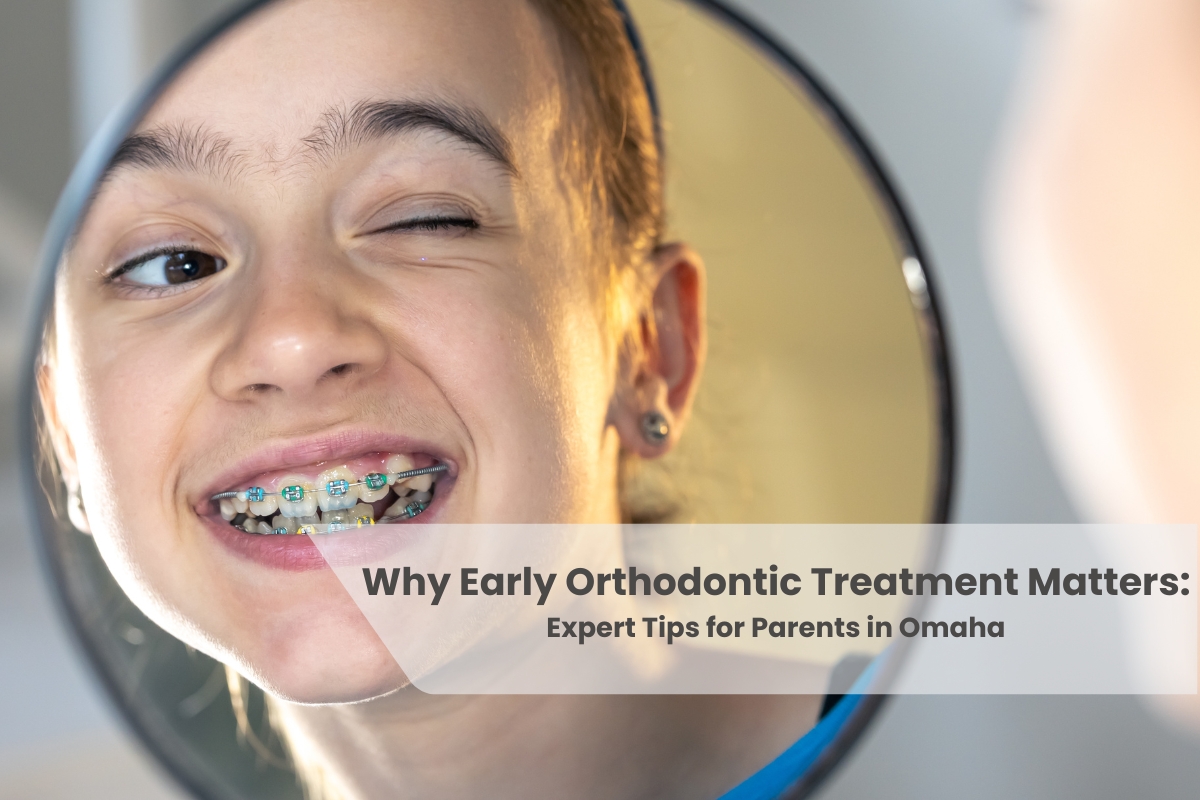
Noticing your child’s teeth not lining up correctly or their bite seeming off can be concerning. Fortunately, early orthodontic treatment offers solutions that guide your child’s smile toward healthy development. By addressing potential dental issues early, you can help your child avoid complications that may become more serious over time. This guide will explain why starting orthodontic care early is essential and how it benefits your child’s oral health, function, and confidence.
What Is Early Orthodontic Treatment?
Early orthodontic treatment, also called interceptive orthodontics, begins while your child still has a mix of baby and adult teeth. This timing is crucial because the jaw and teeth are still growing, which allows a specialist to guide their development naturally. Early intervention can prevent more complex problems later and sometimes reduce the need for extensive braces in the future.
Signs Your Child May Need Early Orthodontic Care
Parents should watch for certain warning signs that indicate a child may benefit from early orthodontic evaluation:
- Crowded or misaligned teeth
- Difficulty chewing or biting
- Mouth breathing
- Thumb sucking beyond age 4
- Jaw shifting or clicking sounds
- Speech difficulties
Recognizing these signs early allows your trusted orthodontist to intervene before issues worsen, ensuring proper alignment and bite development.
The Ideal Age for an Early Orthodontic Evaluation
The American Association of Orthodontists recommends that children have their first orthodontic evaluation around age 7. At this stage, subtle problems with jaw growth or tooth positioning can be detected early. Waiting until all permanent teeth appear may mean missing the optimal window for correcting certain conditions. Early care leverages your child’s natural growth to make treatment easier, less invasive, and often faster.
Benefits of Early Orthodontic Treatment
Early orthodontic care provides much more than cosmetic improvement. Key advantages include:
- Guided Jaw Growth: Ensures the jaw develops in a healthy alignment.
- Reduced Risk of Tooth Damage: Corrects protruding teeth that are more prone to injury.
- Improved Bite Function: Fixes overbites, underbites, and crossbites before they worsen.
- Supports Clear Speech: Proper alignment helps with articulation and pronunciation.
- Boosts Confidence: A well-aligned smile enhances self-esteem during formative years.
By addressing these concerns early, children often need braces for a shorter duration later on.
What to Expect During an Early Orthodontic Evaluation
Early treatment does not always mean immediate braces. Many children benefit from dental appliances like expanders, partial aligners, or space maintainers, which gently guide teeth and jaw growth.
During the first consultation, your orthodontist will perform a comprehensive exam, take X-rays, and discuss your child’s growth patterns. Based on this evaluation, a personalized treatment plan is created to suit your child’s specific needs and stage of development.
Practical Steps Parents Can Take Today
You play a key role in supporting your child’s dental health. Here are steps you can take to promote healthy development:
- Schedule a dental evaluation by age 7
- Monitor thumb sucking or prolonged pacifier use
- Maintain regular dental checkups and cleanings
- Watch for signs like difficulty chewing or crowded teeth
- Encourage consistent oral hygiene habits
Being proactive with early orthodontic treatment not only supports a healthy smile but can also prevent more complicated and costly treatments later.
Partner With Discover Orthodontics for Early Dental Guidance
Early orthodontic treatment is a powerful step toward your child’s long-term oral health and confidence. By identifying and addressing potential challenges early, you set your child up for a lifetime of healthy, beautiful smiles. Discover Orthodontics in Omaha provides expert, personalized care to guide your child’s dental development every step of the way. Schedule an appointment today or visit our Omaha office to ensure the best possible outcome for your child’s smile.