Text: 402-773-6276



How Delaying Orthodontic Treatment Can Lead To Bigger Dental Issues

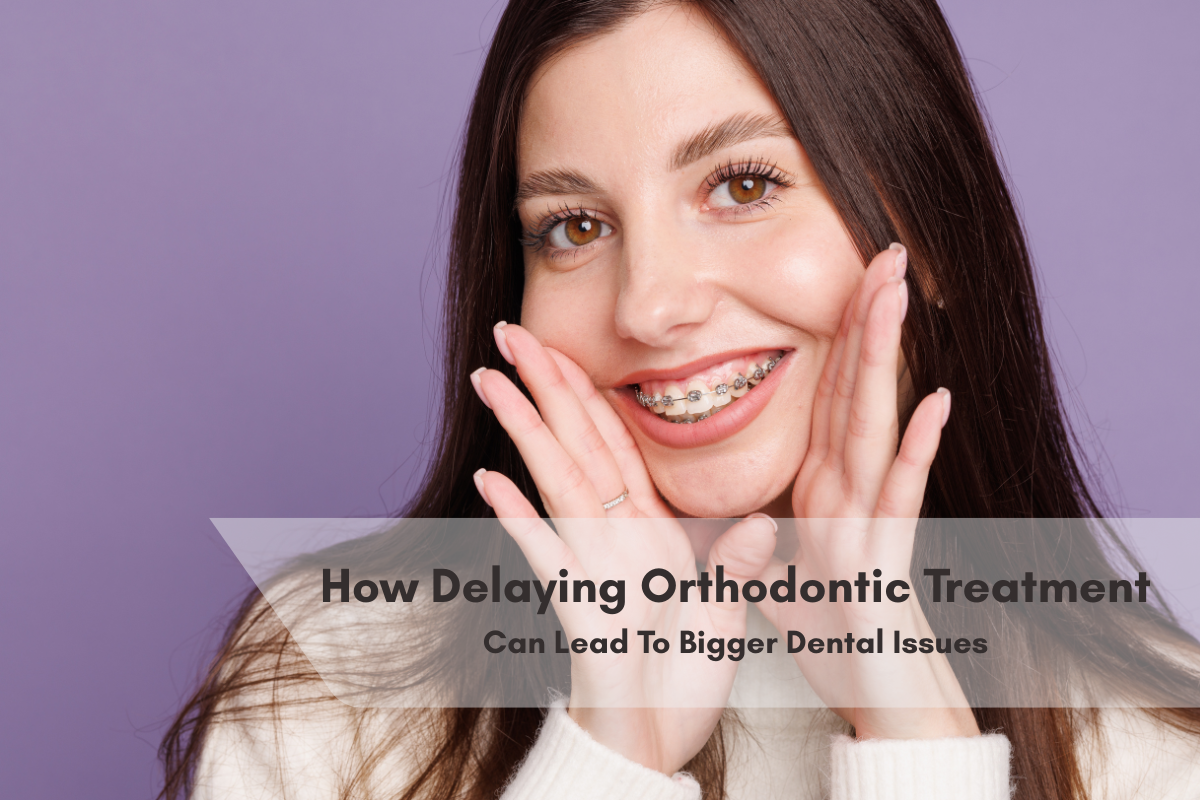
When it comes to achieving a healthy, confident smile, timing matters more than many people realize. Orthodontic treatment is often delayed because teeth may not seem “bad enough” or because alignment issues are not causing pain yet. However, postponing orthodontic care can allow small problems to develop into complex dental issues that affect both oral health and quality of life.
This blog explains how delaying orthodontic treatment can lead to bigger dental problems, why orthodontists emphasize timely intervention, and how addressing alignment issues early can protect your long-term oral health.
Orthodontic problems rarely fix themselves. Crooked teeth, bite issues, and jaw misalignment tend to worsen gradually, often without obvious symptoms at first. While the changes may be subtle, the long-term effects can include difficulty cleaning teeth, uneven tooth wear, jaw strain, and increased risk of dental disease.
Your Smile Deserves Expert Care. Schedule Your Free Consultation Today!

At Discover Orthodontics, our orthodontic team, led by Dr. Molly Bodendorfer, focuses on more than straightening teeth. We prioritize long-term oral health, comfort, and stability to ensure results that last. Every treatment plan is thoughtfully designed with precision, patient education, and individual goals in mind.
If you are noticing crowding, bite discomfort, or shifting teeth, a timely orthodontic consultation with Dr. Bodendorfer can help prevent future complications. Contact us today to explore your orthodontic options and protect your smile before problems progress.
Why Timely Orthodontic Treatment Is Important
Many people believe braces or clear aligners are mainly cosmetic. While improving appearance is a benefit, orthodontic treatment serves a much more important role in maintaining oral health.
When teeth are properly aligned:
- Plaque is easier to remove
- Gums are healthier
- Bite pressure is evenly distributed
- Jaw joints experience less strain
Without treatment, misalignment can contribute to cavities, gum disease, jaw discomfort, and speech or chewing difficulties. Addressing these concerns early helps maintain a healthier, more functional smile.
What Happens If You Delay Getting Braces?
Delaying orthodontic treatment may feel harmless in the short term, but the risks increase over time. As teeth continue to shift, untreated alignment issues can trigger a chain reaction of dental problems.
Increased Risk of Tooth Decay
Crowded or overlapping teeth create tight spaces that are difficult to clean effectively. Plaque and bacteria can accumulate in these areas, increasing the likelihood of cavities—even with regular brushing.
Higher Chance of Gum Disease
Misaligned teeth can place uneven pressure on the gums, leading to inflammation and recession. Over time, this can progress into gum disease, affecting both oral health and overall wellness.
Jaw Discomfort and Bite Problems
An improper bite can strain jaw muscles and joints, potentially causing headaches, jaw pain, or clicking sounds when chewing. Bite issues may also lead to uneven tooth wear and fractures.
Impact on Confidence
As alignment worsens, many people become more self-conscious about their smile. This can affect social interactions, professional confidence, and overall self-esteem.
Can Orthodontic Problems Get Worse Over Time?
Yes—orthodontic issues often become more complex when left untreated. Teeth continue to move throughout life, and uneven pressure from misalignment can accelerate shifting. Over time, this can result in:
- Increased crowding
- Worsening bite imbalance
- Jaw joint stress
- Greater need for extensive treatment later
Seasonal changes, stress, and daily habits such as grinding or clenching can further aggravate misalignment-related discomfort, especially when teeth are not properly positioned.
How Delaying Treatment Can Affect Overall Health
The effects of postponing orthodontic care go beyond aesthetics. Chronic jaw strain can contribute to headaches and facial pain. Difficulty chewing may impact digestion and nutrition. Speech issues can also arise in more severe cases.
In addition, untreated orthodontic problems may require more invasive procedures later, such as tooth extractions, periodontal treatment, or surgical correction. Early intervention often reduces the need for complex care and helps preserve natural tooth structure.
Benefits of Starting Orthodontic Treatment Early
Choosing to address alignment issues sooner rather than later offers several long-term advantages:
Prevents Future Dental Problems
Early treatment helps reduce the risk of cavities, gum disease, and jaw disorders by improving oral hygiene access and bite function.
Improves Comfort and Function
Proper alignment enhances chewing efficiency, speech clarity, and jaw comfort, making everyday activities easier.
Boosts Confidence
A healthy, well-aligned smile supports self-esteem and social confidence at every stage of life.
Often Less Invasive
When orthodontic issues are addressed early, treatment is typically shorter, simpler, and more cost-effective than delayed care.
Don’t Delay Treatment for a Healthy Smile
Delaying orthodontic treatment can allow preventable problems to progress into long-term dental complications. Whether you are considering braces for yourself or your child, early evaluation is key to protecting oral health and avoiding unnecessary discomfort.
If you are in Omaha or nearby areas and have concerns about crooked teeth, bite issues, or jaw discomfort, our dental offices, Discover Orthodontics – Midtown and Discover Orthodontics – West Omaha is here to help. Our team will guide you through your options and create a treatment plan tailored to your needs.
Frequently Asked Questions (FAQs)
How do I know if my child needs braces?
Signs include crowded teeth, difficulty chewing, early or late tooth loss, or noticeable overbite or underbite. An orthodontic evaluation at Discover Orthodontics can determine the right timing for treatment.
Can braces fix a misaligned jaw?
Braces can correct many bite-related issues. Severe jaw misalignment may require additional treatment, depending on the case.
How long does orthodontic treatment take for adults?
Most adult treatments last between 18 and 24 months, depending on complexity and consistency with follow-up visits.
What happens if I don’t wear my retainer after treatment?
Teeth can shift back toward their original positions. Retainers are essential for maintaining long-term results.
Can braces damage teeth?
When properly monitored and combined with good oral hygiene, braces do not cause permanent damage. Poor hygiene during treatment, however, can lead to cavities or gum issues.