Text: 402-773-6276



Can Orthodontic Treatment Fix Jaw Alignment Issues?

Jaw alignment issues, often referred to as malocclusions, are more than just a cosmetic concern. They can lead to significant functional problems, including difficulty in chewing, speaking, and even breathing. Many people wonder if orthodontic treatment can fix these issues effectively. The answer is a resounding yes, but the process can vary depending on the severity and type of misalignment. Let’s delve into how orthodontic treatment can address jaw alignment issues and what options are available.
Understanding Jaw Alignment Issues
Jaw alignment issues can manifest in various forms, such as overbites, underbites, crossbites, and open bites. Each type of malocclusion presents unique challenges:
- Overbite: When the upper teeth significantly overlap the lower teeth.
- Underbite: When the lower teeth extend beyond the upper teeth.
- Crossbite: When some of the upper teeth sit inside the lower teeth when biting down.
- Open Bite: When there is a gap between the upper and lower teeth when the mouth is closed.
These conditions can result from genetic factors, developmental issues, or habits such as thumb-sucking and prolonged pacifier use during childhood.
The Role of Orthodontic Treatment
Orthodontic treatment aims to correct the position of the teeth and jaws to achieve optimal function and aesthetics. Here’s how it works for various jaw alignment issues:
1. Braces
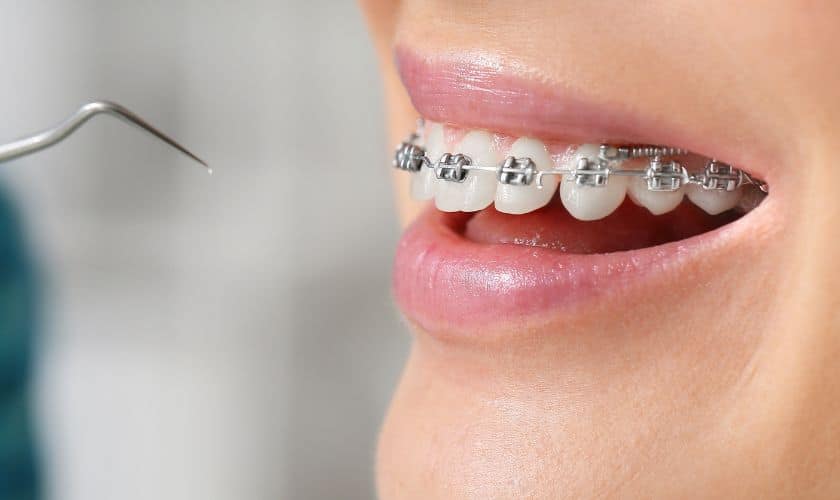
Braces are the most common orthodontic treatment for jaw alignment issues. They apply continuous pressure over time to move teeth into the desired position. This process can also influence the jaw’s alignment, especially in growing children and teenagers whose bones are still developing. For adults, braces might be used in conjunction with other treatments to achieve the best results.
2. Clear Aligners
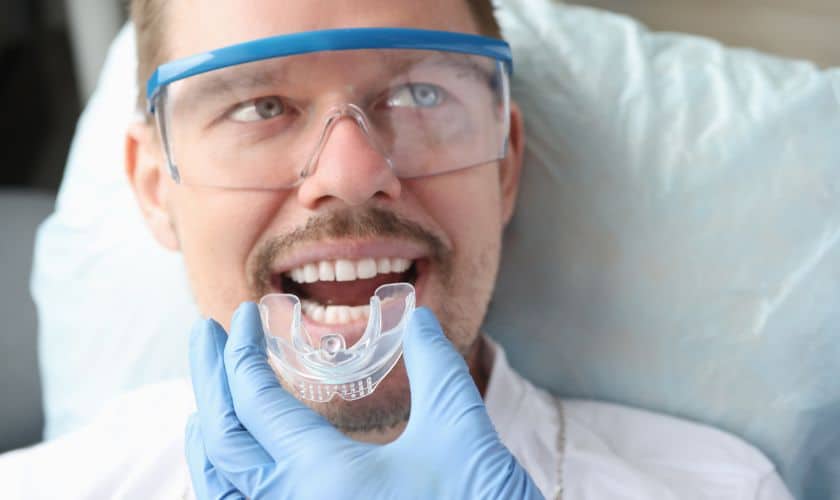
Clear aligners, such as Invisalign, offer a less noticeable alternative to traditional braces. These removable trays are custom-made to gradually shift teeth into place. For mild to moderate jaw alignment issues, clear aligners can be highly effective. However, severe cases might still require traditional braces or additional interventions.
3. Functional Appliances
Functional appliances are devices designed to correct jaw alignment by modifying the growth of the jaw. These are particularly effective in younger patients whose jaws are still growing. Examples include the Herbst appliance and twin block appliance, which can help in correcting underbites and overbites by encouraging proper jaw growth and alignment.
4. Orthognathic Surgery
In severe cases of jaw misalignment, orthodontic treatment alone may not suffice. Orthognathic surgery, also known as corrective jaw surgery, can reposition the jaws to improve function and appearance. This surgery is typically combined with orthodontic treatment before and after the procedure to ensure the teeth are correctly aligned with the new jaw position.
Benefits of Correcting Jaw Alignment
Correcting jaw alignment goes beyond improving the smile. Here are some key benefits:
- Improved Oral Function: Properly aligned jaws enhance chewing, biting, and speaking abilities.
- Reduced Pain and Discomfort: Misaligned jaws can cause headaches, jaw pain, and discomfort. Treatment can alleviate these symptoms.
- Better Oral Health: Misalignment can lead to uneven wear on teeth, making them more prone to decay and damage. Correct alignment helps distribute the forces evenly.
- Enhanced Aesthetics: A well-aligned jaw contributes to a balanced facial appearance and a more confident smile.
Choosing the Right Treatment: Consult an Orthodontist
Determining the appropriate treatment for jaw alignment issues requires a thorough evaluation by an experienced orthodontist. If you’re in Omaha, seeking the expertise of an Omaha orthodontist can help you understand your options and develop a customized treatment plan. Here are some factors an Omaha orthodontist will consider:
- Age: Younger patients have more treatment options due to ongoing jaw growth.
- Severity of Misalignment: The complexity of the issue dictates the treatment approach.
- Overall Oral Health: Good oral health is crucial for the success of orthodontic treatment.
The Treatment Process with an Orthodontist
When you visit an Omaha orthodontist for jaw alignment issues, here’s what you can expect:
- Initial Consultation: The orthodontist will assess your dental and medical history, perform a thorough examination, and take X-rays and impressions of your teeth and jaws.
- Treatment Planning: Based on the evaluation, the orthodontist will create a detailed treatment plan tailored to your needs. This plan will outline the type of appliances required, the estimated duration of treatment, and the expected outcomes.
- Treatment Execution: The orthodontist will begin the treatment as planned, adjusting appliances as needed throughout the process. Regular visits will ensure that the treatment is progressing as expected.
- Post-Treatment Care: After the active treatment phase, you may need to wear retainers to maintain the new alignment of your teeth and jaws. The Omaha orthodontist will guide how to care for your teeth post-treatment.
Orthodontic treatment can effectively fix jaw alignment issues, significantly improving both function and aesthetics. Whether through braces, clear aligners, functional appliances, or in severe cases, orthognathic surgery, there are various options available to address different types of malocclusions. Consulting with a qualified Omaha orthodontist can help you determine the best course of action tailored to your specific needs.
Addressing jaw alignment issues not only enhances your smile but also contributes to overall oral health and well-being. If you’re experiencing jaw misalignment, don’t hesitate to seek professional advice. With the right treatment plan, you can achieve a healthier, more functional, and beautiful smile.