Text: 402-773-6276



What Actually Happens During Your First Orthodontic Consultation

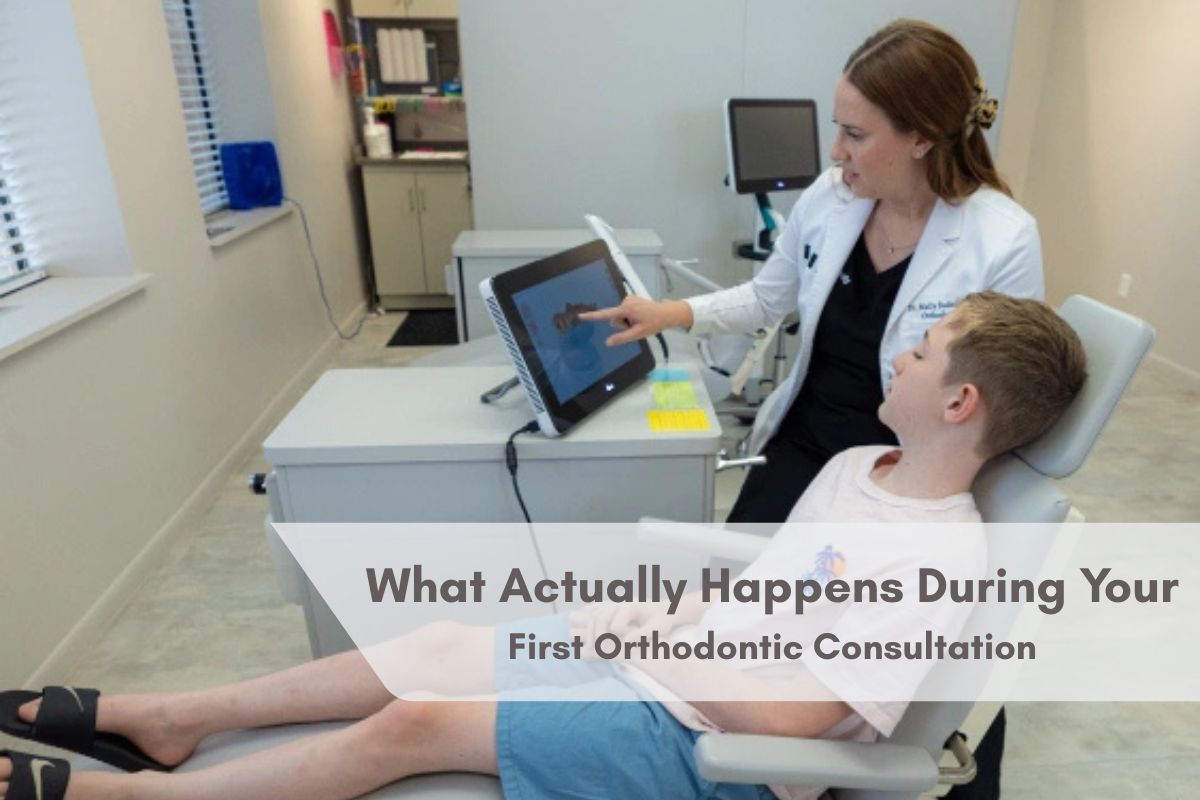
Driving into appointments near Midtown Crossing, Dundee, Elkhorn, or West Omaha often feels routine until the visit involves something unfamiliar. For many patients, an orthodontic consultation comes with uncertainty long before they walk through the door. Some worry they will immediately be told they need braces. Others assume the appointment will feel overly clinical, expensive, or rushed. Parents frequently arrive wondering whether their child truly needs treatment or if they are simply being “monitored.”
In reality, a well-run orthodontic consultation is designed to answer questions before treatment decisions are made. The first visit should help patients understand what is happening with their teeth, bite, jaw development, or spacing issues without pressure or confusion.
At Discover Orthodontics, consultations are built around patient education, comfort, and individualized planning. The team focuses on helping children, teens, and adults understand their smile development clearly while creating treatment recommendations that fit realistic goals, timing, and lifestyles. Patients with questions about braces, Invisalign, bite concerns, or treatment timing are encouraged to contact our team to schedule a consultation at either our Midtown or West Omaha location.
Most Patients Arrive Unsure What the Appointment Will Include
One of the most common misconceptions is that orthodontic consultations immediately lead to braces being placed. That is rarely how modern orthodontic care works.
The first appointment is primarily diagnostic and conversational. Before discussing treatment, the orthodontic team usually wants to understand:
- What concerns brought the patient in
- Whether bite development is progressing normally
- If crowding or spacing is worsening
- Whether jaw alignment is affecting function
- How facial growth may influence future treatment timing
Many patients searching for orthodontic care are surprised to learn that mild alignment concerns sometimes do not require immediate intervention at all. In some cases, monitoring growth for another year produces better long-term results than starting too early.
Digital Imaging Often Replaces Messy Impressions
Patients who had orthodontic evaluations years ago often expect uncomfortable trays filled with impression material. Modern consultations are usually far more efficient.
Most first visits now involve:
- Digital photographs
- 3D oral scans
- Bite analysis
- X-rays when clinically necessary
These tools help orthodontists evaluate issues that patients cannot easily see themselves, including:
- Impacted teeth
- Jaw asymmetry
- Airway-related concerns
- Tooth eruption patterns
- Root positioning
- Bite instability
Parents are often surprised when orthodontists focus less on “crooked teeth” and more on bite function. A smile may appear relatively straight while still having crossbites, deep overbites, or jaw alignment problems that create long-term wear issues.
The Conversation Usually Matters More Than the Scan
The technical portion of the consultation is only part of the experience. What patients remember most is often how clearly the orthodontist communicates.
Strong consultations typically involve discussion around:
- Whether treatment is truly necessary
- Timing considerations
- Lifestyle factors
- Oral hygiene habits
- Previous dental history
- Patient concerns about appearance or discomfort
This becomes especially important with teen patients who may not initially express concerns openly. Orthodontists often notice behavioral patterns during consultations. Some teens avoid smiling in photos but claim alignment does not bother them. Adults frequently downplay discomfort from bite strain because they have adapted to it over time.
An experienced orthodontic team knows how to identify these subtle concerns without making patients feel self-conscious.
Not Every Patient Needs the Same Treatment Approach
One mistake patients make before consultations is assuming there is only one possible treatment option.
Depending on the bite condition and goals, recommendations may involve:
- Monitoring only
- Early interceptive treatment
- Invisalign
- Traditional braces
- Limited cosmetic alignment
- Expansion appliances
- Combined restorative planning with general dentists
Patients searching for a trusted orthodontist in Omaha often expect a single standardized recommendation. In reality, orthodontic planning depends heavily on growth stage, bone support, compliance expectations, and bite mechanics.
For example, two patients with similar crowding may receive entirely different recommendations if one has active jaw growth remaining and the other does not.
Why Parents Are Sometimes Told to Wait
Parents occasionally leave consultations confused because treatment was not recommended immediately.
This can feel counterintuitive, especially when crowding is already visible. However, orthodontists often monitor:
- Jaw growth patterns
- Eruption timing
- Baby tooth retention
- Skeletal development
- Airway development
Starting treatment too early can sometimes lengthen overall treatment time unnecessarily.
A quality consultation explains not only what treatment could help, but also why timing matters clinically.
Adult Patients Often Delay Consultations Longer Than Necessary
Adult orthodontic patients commonly postpone evaluations for years because they assume treatment will be overly noticeable or disruptive.
In practice, adult consultations frequently focus on:
- Worn teeth from bite imbalance
- Relapse after childhood braces
- Shifting teeth after dental work
- Difficulty cleaning crowded areas
- Cosmetic concerns before major life events
Many adults also assume orthodontics is purely cosmetic until scans reveal functional bite stress contributing to chipping, recession, or uneven wear.
Patients are often relieved to discover that modern treatment planning can be significantly more discreet and flexible than expected.
The Best Consultations Feel Collaborative
Patients tend to remember consultations positively when they feel heard rather than “sold to.”
That patient-centered communication style is something Dr. Molly Bodendorfer values deeply at Discover Orthodontics. Her own experience with orthodontic treatment as a child helped shape the way she approaches patient conversations today. Many patients, especially children and anxious adults, respond positively when they feel their concerns are acknowledged instead of minimized.
Dr. Molly frequently works with patients who arrive nervous about appearance changes, discomfort, or treatment length. Rather than rushing recommendations, consultations often focus first on helping patients understand why certain bite patterns or alignment problems develop over time.
Her connection to the Omaha community also helps patients feel more comfortable during visits. Families often relate to her approachable personality and local involvement around areas like Lauritzen Gardens, Old Market, and Fontenelle Forest, which naturally creates a more relaxed environment during appointments.
Many patients also feel reassured when they hear directly from others who have already gone through treatment. Reviews often highlight not only smile improvements, but also how comfortable and supported patients felt throughout the process. One patient shared:
“Been a patient for a year Dr. Molly is amazing the whole staff is wonderful very welcoming and nice literally everyone is great would Highly recommend for treatment my teeth are looking amazing” – S. Starks
Patients considering treatment are encouraged to explore more Google reviews to learn how families across Omaha describe their experience with the team.
Questions Patients Should Ask During the Consultation
Patients sometimes become so focused on whether they “need braces” that they forget to ask practical questions.
Helpful consultation questions include:
- What happens if treatment is delayed?
- Is this issue cosmetic, functional, or both?
- Are multiple treatment options available?
- How will this affect long-term dental health?
- What challenges could make treatment take longer?
- Are there habits making the bite worse?
These discussions often reveal information patients were not expecting, especially regarding nighttime grinding, tongue posture, airway concerns, or shifting related to missing teeth.
Some Problems Become Harder to Correct Later
Not every orthodontic issue requires urgent treatment, but some conditions become more complex if ignored for too long.
Orthodontists pay closer attention when they see:
- Impacted teeth
- Significant jaw discrepancies
- Progressive crowding
- Functional crossbites
- Deep bites causing tooth wear
- Eruption problems
In children, certain bite patterns can influence jaw growth if left untreated during developmental years. In adults, untreated bite instability may contribute to accelerated wear and restorative complications.
The purpose of the consultation is not to create fear. It is to identify whether timing meaningfully affects outcomes.
Start With a Comfortable Orthodontic Evaluation
If you have questions about crowding, bite changes, Invisalign, jaw alignment, or your child’s dental development, the team at Discover Orthodontics can help you understand what is happening before treatment decisions feel overwhelming. Patients can visit either of our Omaha locations, including our Midtown office and our West Omaha practice, for personalized orthodontic evaluations in a comfortable, patient-focused environment. Consultations are designed to provide clarity, practical guidance, and treatment recommendations that fit your goals, lifestyle, and comfort level.
The first orthodontic consultation should leave patients feeling informed rather than pressured. Understanding how bite problems develop, when treatment timing matters, and what options exist can make the entire process feel significantly less intimidating. Our goal is always to create a comfortable experience where patients and families feel confident asking questions, understanding recommendations, and making decisions at the right pace for their needs.
FAQs About First Orthodontic Consultations
Do orthodontists usually recommend treatment during the first visit?
Sometimes, but not always. Many consultations end with monitoring recommendations rather than immediate treatment.
Will I need X-rays during my consultation?
Possibly. X-rays are often used to evaluate tooth eruption, root positioning, jaw structure, and impacted teeth when clinically necessary.
How long does a first orthodontic consultation take?
Most consultations take between 45 minutes and one hour, depending on imaging needs and treatment discussion complexity.
Can adults schedule orthodontic consultations even if they had braces before?
Yes. Many adults seek evaluations because their teeth have shifted after previous orthodontic treatment.
What if my child still has baby teeth?
Orthodontists often evaluate children before all permanent teeth erupt to monitor jaw development and eruption patterns.
Are consultations uncomfortable?
Most modern consultations are non-invasive and involve digital scanning, photographs, and conversation rather than procedures.
Will treatment start at the first appointment?
Usually not. Most initial visits focus on diagnosis, treatment planning, and discussing options.
What if I am unsure about treatment after the consultation?
That is completely normal. A good consultation should help patients understand their options clearly without pressure to decide immediately.