Text: 402-773-6276



How to Prevent Tooth Decay During Orthodontic Treatment: Tips from an Orthodontist

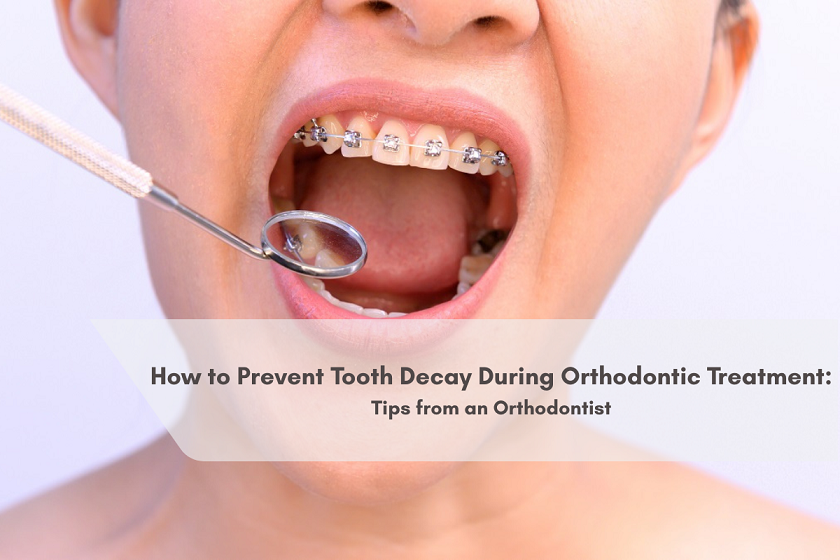
If you’re undergoing orthodontic treatment in Omaha, NE, you’ve likely noticed that keeping your teeth clean takes more effort than before. Between brackets, wires, and aligners, food particles can linger in places that are difficult to reach. Many patients tell us they’re doing their best with brushing, but still worry about plaque buildup or early signs of decay.
In a city like Omaha, where busy school schedules, work routines, and on-the-go meals are common, it’s easy for oral hygiene habits to slip, even temporarily. That’s why understanding how to prevent tooth decay during orthodontic treatment is essential. With the right strategies, you can protect your teeth throughout your treatment and avoid complications that could delay your progress.
Meet Your Orthodontic Care Team
At Discover Orthodontics, Dr. Molly Bodendorfer works closely with patients to make every phase of treatment clear and manageable. From your first visit, we take time to evaluate your needs, discuss possible treatment options, and answer your questions thoroughly.
Your initial appointment includes a complimentary examination, diagnostic records, and a detailed consultation. We walk you through every step so you understand what’s happening and why. Our goal is to ensure you feel informed and comfortable moving forward. We welcome you to begin your orthodontic journey with us.
Why Tooth Decay Risk Increases with Orthodontic Treatment
Orthodontic appliances create additional surfaces where plaque can accumulate. Brackets and wires act as barriers, making it harder for toothbrush bristles to reach all areas effectively. When plaque remains on teeth, it produces acids that weaken enamel and lead to cavities.
Patients working with an Omaha orthodontic provider often ask why decay can develop even when they brush regularly. The answer usually comes down to technique, consistency, and attention to detail. Small missed areas, repeated daily, can lead to noticeable problems over time.
Daily Habits That Help Prevent Tooth Decay
1. Brush with Precision, Not Just Frequency
Brushing twice a day is important, but how you brush matters more during orthodontic treatment. Angle your toothbrush at 45 degrees toward the gumline and clean around each bracket individually. Electric toothbrushes can be particularly helpful for consistent results.
2. Floss Every Day—No Exceptions
Flossing with braces can feel tedious, but it’s non-negotiable. Use floss threaders or orthodontic floss to clean between teeth and under wires. This removes debris that brushing alone cannot reach.
3. Use Fluoride Products
Fluoride strengthens enamel and helps reverse early stages of decay. A fluoride toothpaste and mouth rinse can provide added protection, especially for patients with braces.
4. Limit Sugary and Sticky Foods
Foods like caramel, soda, and candy increase acid production in the mouth. Sticky items are especially problematic because they cling to brackets and wires. Opt for foods that are easier to clean off, such as fresh vegetables and lean proteins.
How Can You Prevent Tooth Decay During Orthodontic Treatment?
To prevent tooth decay during orthodontic treatment, brush thoroughly around brackets twice daily, floss using orthodontic tools, limit sugary foods, and use fluoride products. Regular orthodontic checkups also help detect early signs of decay before they progress.
The Role of Regular Orthodontic Visits
Routine appointments are about more than adjusting your braces. These visits allow us to monitor your oral health and catch early warning signs of enamel damage or plaque buildup.
Patients visiting an Omaha orthodontist benefit from professional guidance that goes beyond at-home care. If we notice areas that need improvement, we’ll provide practical recommendations you can implement immediately.
Common Mistakes That Lead to Tooth Decay
Skipping Nighttime Brushing
Plaque buildup overnight can be more harmful because saliva production decreases while you sleep.
Relying Only on Mouthwash
Mouthwash is helpful, but it cannot replace brushing and flossing.
Inconsistent Cleaning Routine
Missing even a few days of proper care can allow plaque to harden into tartar, which requires professional removal.
Smart Tools That Make Oral Hygiene Easier
Orthodontic care has evolved, and so have hygiene tools. Consider adding these to your routine:
- Interdental brushes for cleaning around brackets
- Water flossers for improved gumline cleaning
- Orthodontic-specific toothbrushes designed for braces
These tools can significantly improve how effectively you remove plaque each day.
Real Patient Experience
“Every experience so far has been great! Dr. Molly is personable, knowledgeable, and the practice is great. Looking forward to seeing the results!” – mccann93
We encourage you to explore more Google reviews to see how others describe their experiences with our team and approach to care.
Protect Your Teeth Throughout Treatment
Preventing tooth decay during orthodontic treatment comes down to consistency, proper technique, and regular monitoring. Small daily habits make a significant difference in maintaining healthy teeth while your alignment improves.
At Discover Orthodontics, we support you at every stage from your first visit to your final results. You can visit either of our locations in Omaha, NE, Midtown or West Omaha, whichever is more convenient for you, and schedule a free consultation to get started.
Take the next step toward a healthier, well-aligned bite by booking your visit with our team today.
FAQs
Can braces cause permanent tooth damage?
Braces themselves do not damage teeth. However, poor oral hygiene during treatment can lead to cavities or white spots on enamel.
How often should I brush with braces?
At least twice daily, but ideally after every meal to prevent food from sitting around brackets.
Are clear aligners better for preventing decay?
Clear aligners can make cleaning easier since they are removable, but they still require strict hygiene habits to prevent trapped bacteria.
What are white spots on teeth after braces?
White spots are early signs of enamel demineralization caused by plaque buildup. They are preventable with proper care.
Do I need professional cleanings during orthodontic treatment?
Yes, regular dental cleanings are essential to remove plaque and tartar that cannot be managed at home.