Text: 402-773-6276



How Effective is Invisalign for Lowering Teeth?

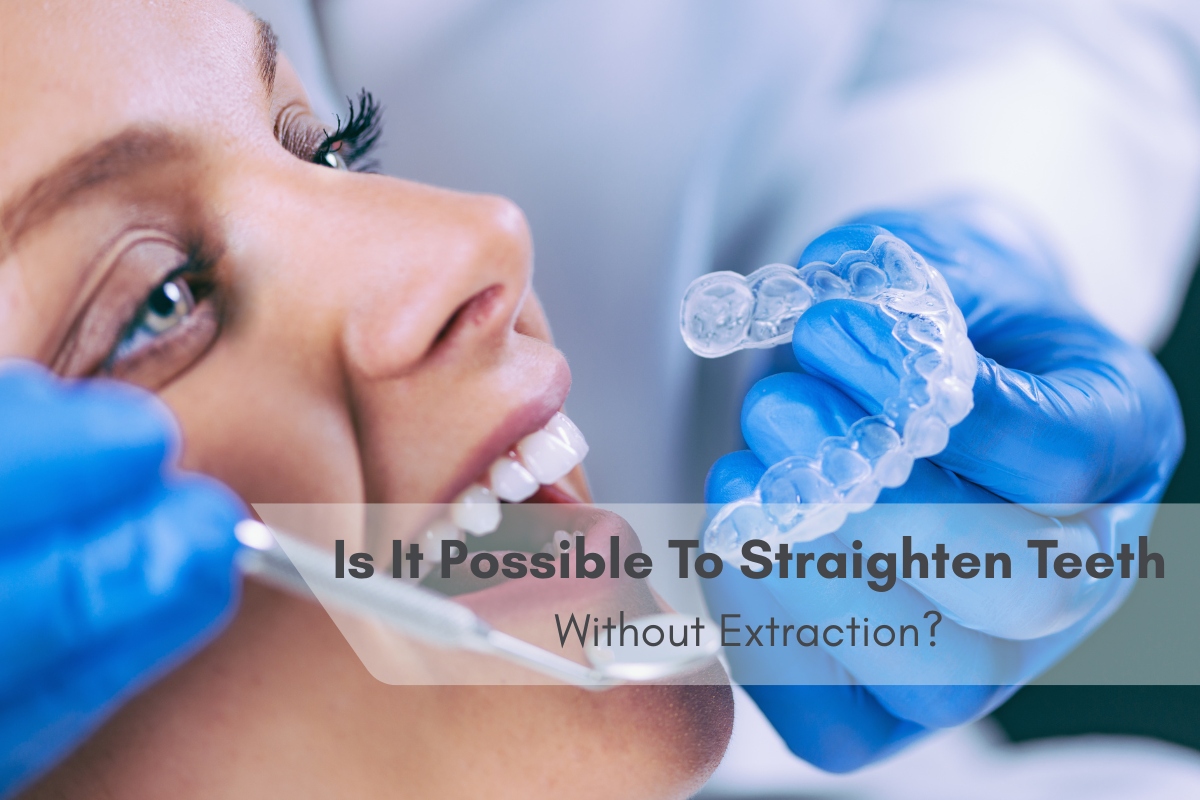
Invisalign has become one of the most popular orthodontic treatments in recent years. Known for its discreet clear aligners, Invisalign is often considered an effective and convenient solution for many common dental issues. One question that frequently arises among patients is whether Invisalign can be effective for lowering teeth, particularly when teeth are positioned too high or have erupted abnormally. In this blog, we’ll explore how Invisalign works, its effectiveness in lowering teeth, and what to expect during treatment.
Understanding Invisalign and Its Function
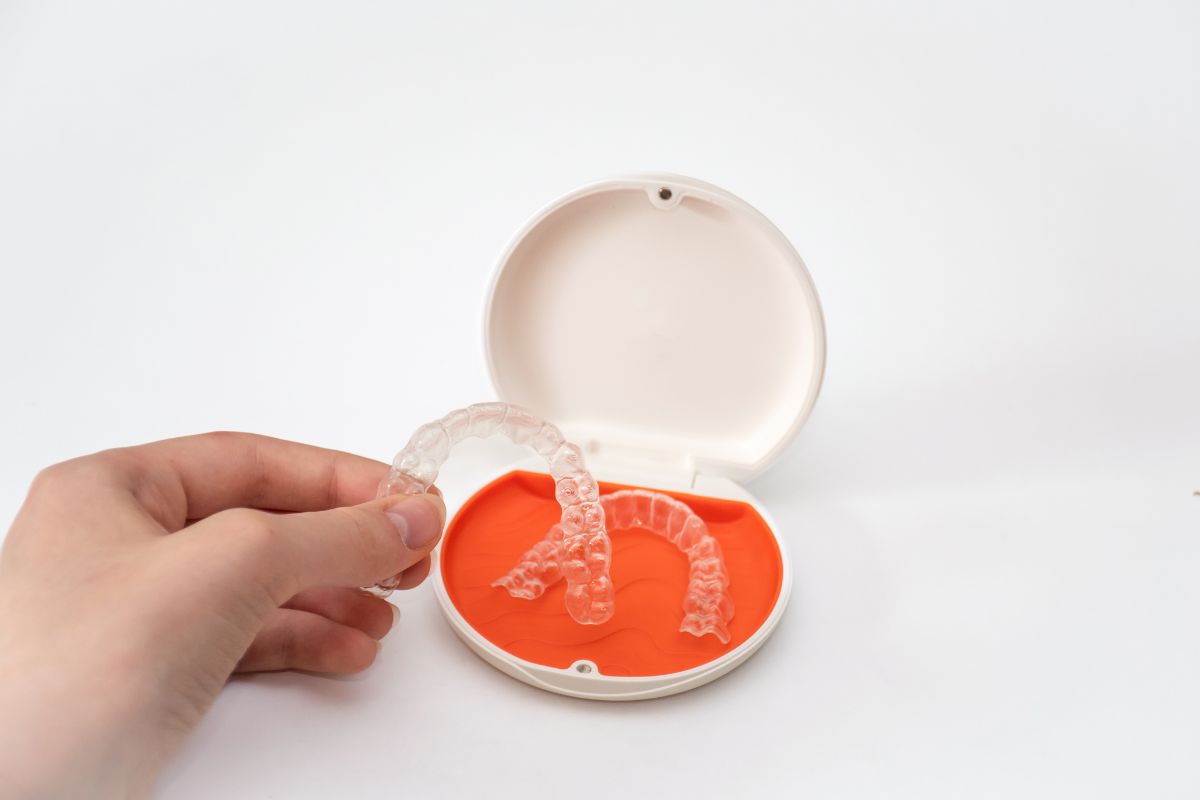
Invisalign is an orthodontic treatment that uses a series of custom-made, clear plastic aligners to gradually move teeth into better alignment. The aligners are nearly invisible and are designed to be removed for eating, drinking, brushing, and flossing, making them a preferred choice for adults and teens concerned about traditional metal braces’ aesthetic appearance.
Each aligner is made to fit snugly over the teeth and is typically worn for about 20 to 22 hours per day. The aligners are changed every one to two weeks, with each set being slightly different from the previous one. This gradual adjustment helps to shift the teeth into the desired positions.
How Does Invisalign Work?
Invisalign aligners are crafted based on detailed impressions of the patient’s teeth. A 3D digital model is created, and this model helps the orthodontist plan the movement of each tooth over the course of the treatment. The aligners apply controlled pressure to specific areas of the teeth to move them into proper alignment.
For patients with teeth that need to be lowered, the treatment plan will be customized to focus on this goal, using the aligners to apply targeted pressure. Invisalign can be used to address various types of dental issues, including gaps, crooked teeth, overbites, underbites, and, yes, teeth that are positioned too high.
Can Invisalign Lower Teeth?
Yes, Invisalign can be effective for lower teeth, but it depends on the severity of the case. Lowering teeth typically refers to the movement of a tooth or teeth that have erupted higher than they should be or those that are overly elevated relative to the rest of the teeth. These types of cases may involve the need for controlled force to bring the tooth or teeth down into proper alignment.
Types of Movements for Lowering Teeth
There are a few different methods through which Invisalign can move teeth vertically, such as:
- Intrusion: This is the process of pushing a tooth or teeth downward into the gum line. Intrusion can be challenging, but Invisalign can be effective with the right adjustments.
- Extrusion: While extrusion generally refers to moving a tooth upward, it may be used in conjunction with lowering adjacent teeth to achieve better overall alignment.
For lowering teeth specifically, Invisalign aligners are designed to apply gentle but consistent pressure to the tooth, helping it move into a lower position over time. The pressure is applied incrementally, so the tooth doesn’t shift too quickly, which could lead to discomfort or damage.
Factors That Affect the Effectiveness of Invisalign for Lowering Teeth
While Invisalign can be an effective option for lowering teeth, its success depends on several factors. It’s important to understand that not every case will see the same results and treatment outcomes can vary from patient to patient. Here are the key factors that affect how well Invisalign works for lowering teeth:
1. Severity of the Problem
In cases where a tooth is only slightly elevated, Invisalign can be highly effective in moving it into the desired position. However, if the tooth has been high for a long time or has a significant vertical displacement, it may require a longer treatment time or additional methods to aid the process.
2. Age and Bone Structure
Younger patients typically have more responsive bone structure, meaning their teeth may move more easily. Adults, however, may experience slower movement due to denser bone tissue. This can affect how quickly a tooth can be lowered, but with patience, Invisalign can still be an effective option.
3. Treatment Plan and Compliance
For Invisalign to be effective, it’s crucial that patients wear their aligners as prescribed—usually 20 to 22 hours per day. If the aligners aren’t worn consistently, it can delay the movement of the teeth, including lowering them.
Additionally, your orthodontist must adjust the aligners regularly to ensure the treatment is on track. Some patients may need attachments or small buttons placed on their teeth to help create the necessary force for tooth movement, especially for complex cases like lowering teeth.
4. Clear Aligners vs. Traditional Braces
Traditional braces might be more effective in cases of severe vertical displacement. Braces provide more force and control over tooth movement, which can be important for complex issues like tooth lowering. However, Invisalign is still a viable option for many patients, and its benefits—such as comfort and appearance—may make it the preferred choice for less severe cases.
What to Expect During Invisalign Treatment for Lowering Teeth
During the course of your Invisalign treatment, you will have regular checkups with your orthodontist to monitor your progress. The treatment may take several months, depending on how much the teeth need to be lowered and how well the treatment is progressing. It’s essential to follow the treatment plan carefully and wear your aligners as directed to achieve the best results.
Some patients may experience mild discomfort or pressure, particularly in the early stages of treatment or when new aligners are introduced. This is a normal process as the teeth shift into new positions.
Invisalign can be effective for lowering teeth, particularly in cases where the tooth movement is not too severe. Many patients can achieve excellent results with a customized treatment plan and adherence to the aligner schedule. However, the success of the treatment depends on factors like the severity of the issue, age, and compliance. If you’re concerned about the effectiveness of Invisalign for your specific case, it’s always best to consult with an experienced orthodontist who can provide a detailed evaluation and treatment plan.
Invisalign continues to prove itself as a versatile and effective orthodontic solution, even for complex issues like lowering teeth. With the right approach, it can help you achieve a beautiful, well-aligned smile.