Text: 402-773-6276



How Do You Treat Extruded Teeth?

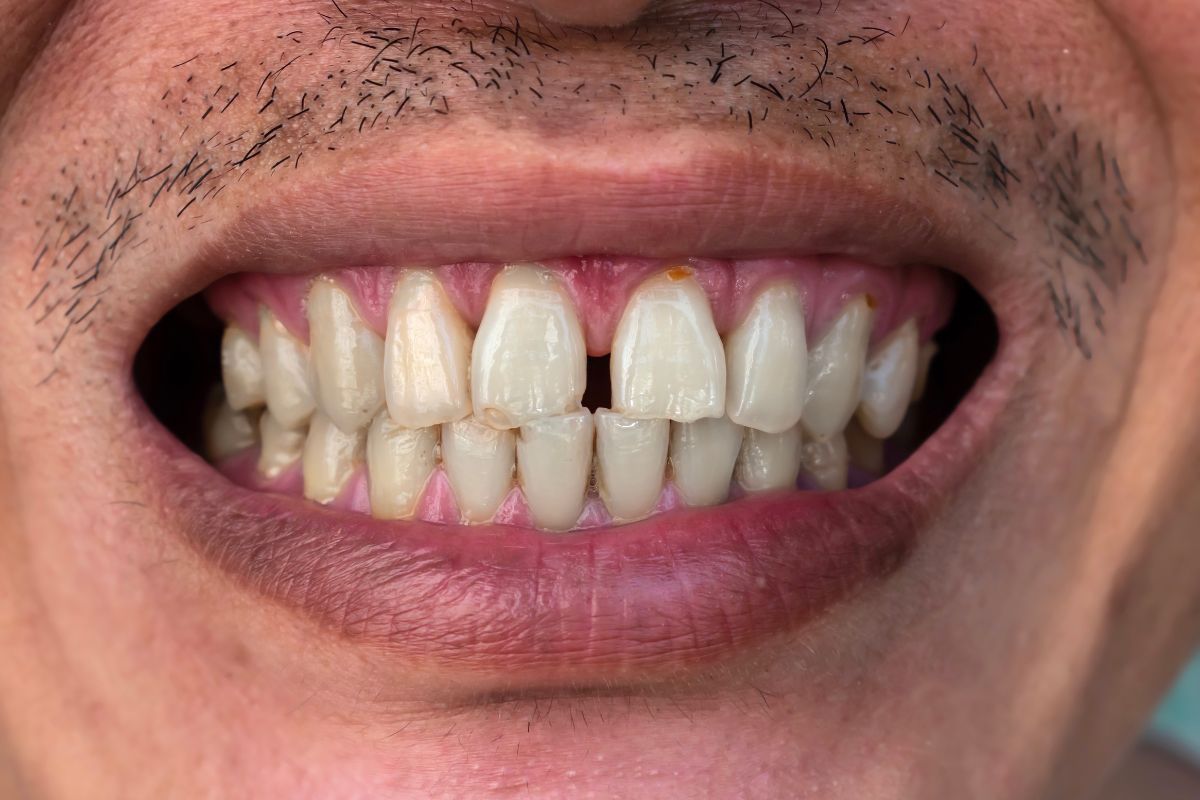
Orthodontics focuses on correcting misaligned teeth and jaw issues to create a healthier, more aesthetically pleasing smile. Among the many treatments orthodontists use, one technique that often comes up is extrusion. But what exactly does extrusion in orthodontics mean, and how does it help patients? In this blog, we will explore the concept of dental extrusion, its role in orthodontic treatment, and how it benefits patients.
Understanding Extrusion in Orthodontics
Extrusion in orthodontics refers to the process of gradually moving a tooth downward or outward from the gum line. Unlike the typical movement of teeth that are either tilted or shifted horizontally, extrusion focuses on pulling a tooth along its vertical axis. This technique is primarily used when a tooth has not erupted properly or when it’s necessary to reposition a tooth that has sunk into the gums.
Extrusion can be performed with various orthodontic appliances, including traditional braces, rubber bands, or even clear aligners, depending on the specific needs of the patient. The goal of the process is to reposition the tooth in a way that improves both function and appearance.
Why Is Extrusion Necessary?
There are several situations where extrusion may be required as part of an orthodontic treatment plan. Some of the most common reasons include:
1. Impacted Teeth
When a tooth is impacted, it means that it hasn’t fully erupted from the gumline. This could be due to crowding, an obstruction, or improper positioning. Extrusion can help bring the impacted tooth into its proper position, allowing it to function normally and contribute to the overall alignment of the smile.
2. Tooth Lengthening
In some cases, patients may require a longer tooth for cosmetic or functional reasons. If a tooth is too short or has worn down over time, extrusion may be used to elongate it, making it more aesthetically pleasing and functional for biting or chewing.
3. Aligning Teeth After Trauma
If a tooth has been knocked out or severely damaged due to an accident, extrusion may be used to bring the tooth back to its proper position. This is especially true for teeth that have been pushed inward or have sunk below the gum line.
4. Correction of Overbite or Underbite
Extrusion can help correct an overbite or underbite by repositioning the upper or lower teeth. By extruding certain teeth, an orthodontist can help create a better bite, improving both function and the smile’s appearance.
The Process of Extrusion in Orthodontics
Extrusion is a gradual process, typically taking several months to achieve the desired result. The orthodontist will begin by assessing the patient’s mouth and determining which teeth require extrusion. The most common method involves applying gentle pressure to the tooth using orthodontic appliances, like braces or clear aligners.
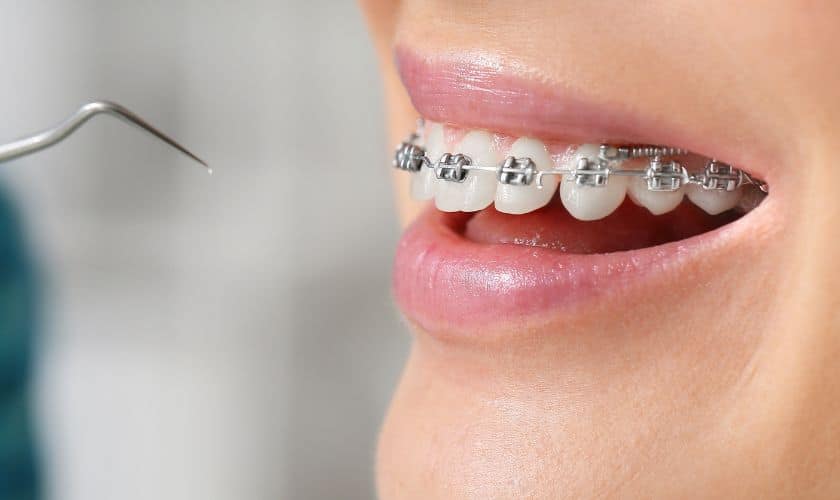
Braces are the most common tool used to extrude a tooth. A bracket is placed on the tooth in need of extrusion, and a wire is attached to it. Over time, the wire applies gentle force to the tooth, gradually pulling it down into the desired position. In some cases, rubber bands may be used in conjunction with braces to apply more precise force.
Clear aligners, like Invisalign, can also be used to extrude a tooth. These aligners are custom-made for the patient and are designed to apply gentle, consistent pressure to move teeth into the correct position. While clear aligners may not be as effective for extreme cases of extrusion, they can still be a suitable option for mild to moderate cases.
1. Monitoring Progress
Throughout the process of extrusion, the orthodontist will regularly monitor the patient’s progress. Adjustments may be made to the appliances to ensure the tooth is moving at the proper rate. This monitoring is crucial, as the orthodontist needs to ensure that the tooth is being extruded in a way that avoids potential complications.
2. Maintaining the Position
Once the tooth has been extruded to the desired level, the orthodontist will need to ensure it stays in place. Retainers or other appliances may be used to prevent the tooth from shifting back into its previous position.
Benefits of Extrusion in Orthodontics
Extrusion offers several benefits that make it a valuable technique in orthodontics. These include:
1. Improved Tooth Function
By extruding a tooth into its proper position, the overall function of the bite is enhanced. This helps with chewing, speaking, and maintaining proper oral health.
2. Better Aesthetics
Extrusion can improve the alignment of a patient’s smile, contributing to greater self-esteem and confidence. Teeth that are properly aligned are more aesthetically pleasing and contribute to a balanced and harmonious smile.
3. Minimized Need for Tooth Extraction
In some cases, extrusion can help avoid the need for tooth extraction. By properly repositioning a tooth, the orthodontist may be able to create enough space in the mouth for other teeth to align, reducing the need for more invasive procedures.
4. Correcting Bite Issues
Extrusion helps correct bite problems like overbites, underbites, or crossbites. By repositioning teeth properly, extrusion ensures the teeth fit together better, which can prevent wear, jaw pain, or other bite-related issues.
Conclusion
Extrusion in orthodontics is an important technique used to reposition a tooth that is improperly aligned or has not fully erupted from the gum line. Whether addressing impacted teeth, correcting bite issues, or improving the overall appearance of the smile, extrusion plays a critical role in the orthodontic treatment process. If you’re considering orthodontic treatment, consult with an orthodontist to determine whether extrusion is a suitable option for you or your child. With the right treatment plan, extrusion can help achieve a more functional, beautiful smile for years to come.