Text: 402-773-6276



How Do You Fix Missing Lateral Incisors?

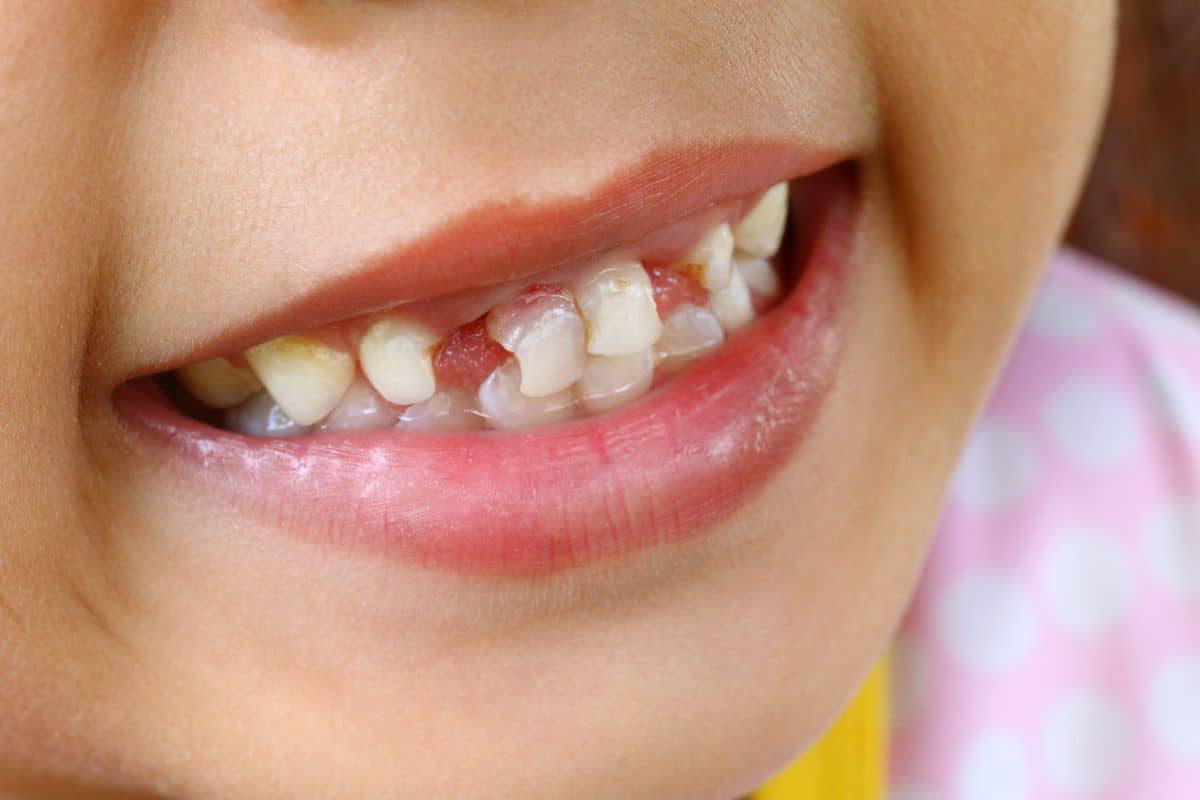
Missing lateral incisors, the teeth located on either side of the front two upper teeth, can impact both the appearance and function of your smile. These teeth play a significant role in the harmony of your bite and your facial aesthetics. When they are absent—either due to genetics, trauma, or dental conditions—it’s essential to explore treatment options to restore both function and beauty. This article dives into the available solutions for fixing missing lateral incisors and how each approach works.
What Causes Missing Lateral Incisors?
Before jumping into treatments, understanding the reasons behind missing lateral incisors helps patients make better decisions. Here are some of the most common causes:
- Congenital absence (hypodontia): Some people are born without one or both lateral incisors. It’s one of the most common genetic dental anomalies.
- Trauma or injury: Accidents can cause lateral incisors to be knocked out or damaged beyond repair.
- Severe dental decay: If not treated early, cavities in lateral incisors may require extraction.
- Orthodontic issues: Improper spacing or crowding can also lead to the loss or misalignment of these teeth.
Treatment Options for Fixing Missing Lateral Incisors
There are several dental solutions available to fix missing lateral incisors. The right choice depends on individual needs, the health of the surrounding teeth, and cosmetic goals. Let’s look at the most effective treatment options.
1. Dental Implants
Dental implants are one of the most popular and permanent solutions for missing lateral incisors.
How They Work:
- A small titanium post is surgically inserted into the jawbone, acting as the tooth’s root.
- Once the implant integrates with the bone (a process called osseointegration), a crown is placed on top to resemble a natural tooth.
Benefits:
- Long-lasting and durable solution
- Prevents bone loss in the jaw
- Provides a natural look and feel
Considerations:
- Requires enough jawbone density for implant placement
- The process can take several months, from surgery to the final crown
2. Dental Bridges
A dental bridge is another excellent way to replace missing lateral incisors. It involves using the adjacent teeth for support.
How They Work:
- The two teeth on either side of the missing space are prepared to hold crowns.
- A pontic (artificial tooth) is placed between the crowns, forming a “bridge” to fill the gap.
Benefits:
- Less invasive than implants
- Quick procedure with immediate results
Considerations:
- Adjacent teeth need to be filed down, which may compromise their structure
- Bridges don’t prevent jawbone loss like implants do
3. Orthodontic Solutions
If the missing lateral incisors cause spacing issues, orthodontic treatment may be necessary to adjust the bite and alignment before proceeding with other restorative options.
How They Work:
- Braces or clear aligners like invisalign move teeth to create or close the space where the missing incisors are.
- After alignment, either dental implants or bridges can be placed to complete the treatment.
Benefits:
- Ensures proper alignment of teeth and jaws
- Can improve overall facial symmetry
Considerations:
- Orthodontic treatment can take several months to years
- It usually needs to be combined with another restorative solution
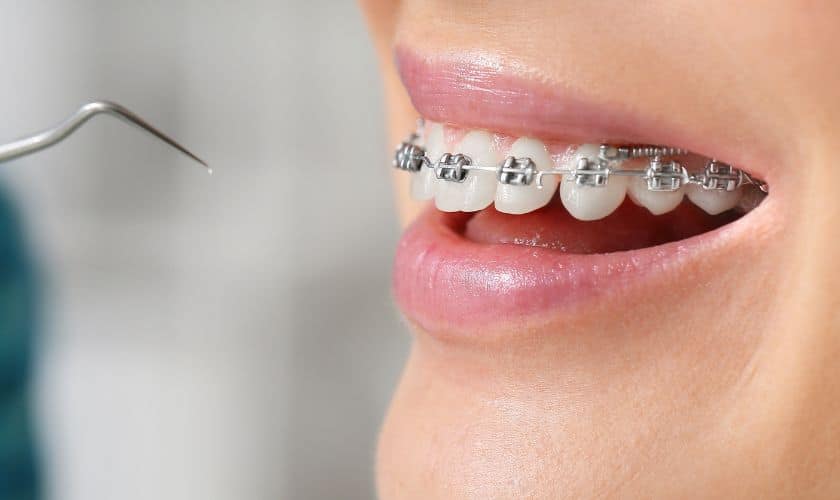
Patients dealing with missing lateral incisors often benefit from consulting an orthodontist in Omaha to ensure proper spacing and alignment before committing to more permanent restorative options.
4. Dentures or Partial Dentures
For patients looking for a non-invasive or temporary option, partial dentures can replace missing lateral incisors.
How They Work:
- A removable prosthetic is designed to fit over the gums, with artificial lateral incisors attached to it.
Benefits:
- Affordable and easy to maintain
- Can be a temporary solution while waiting for implants or other permanent treatments
Considerations:
- Not as stable as implants or bridges
- Requires daily cleaning and may need occasional adjustments
Which Solution is Best for You?
Choosing the right solution for missing lateral incisors depends on several factors:
- Age: Young patients whose jaws are still developing might need temporary solutions like partial dentures or orthodontics until they are ready for implants.
- Bone Density: If jawbone loss has occurred, bone grafting may be required before dental implants can be placed.
- Budget: Implants are the most expensive option, but they offer long-term value. Bridges and dentures are more affordable but may require replacement or maintenance over time.
- Aesthetic Preferences: Implants and bridges tend to look the most natural, while partial dentures may not provide the same seamless appearance.
Consulting with a dentist will help you understand which option aligns best with your needs.
Conclusion
Fixing missing lateral incisors is essential for restoring both the appearance and function of your smile. With solutions like dental implants, bridges, orthodontics, and partial dentures, patients can find the option that best suits their situation. Each treatment comes with its advantages and challenges, so working with a dentist to determine the right approach is crucial. Whether you’re aiming for a natural look or a quick fix, modern dentistry has the tools to restore your smile and boost your confidence.