Text: 402-773-6276



How Do I Protect My Gums From Invisalign?

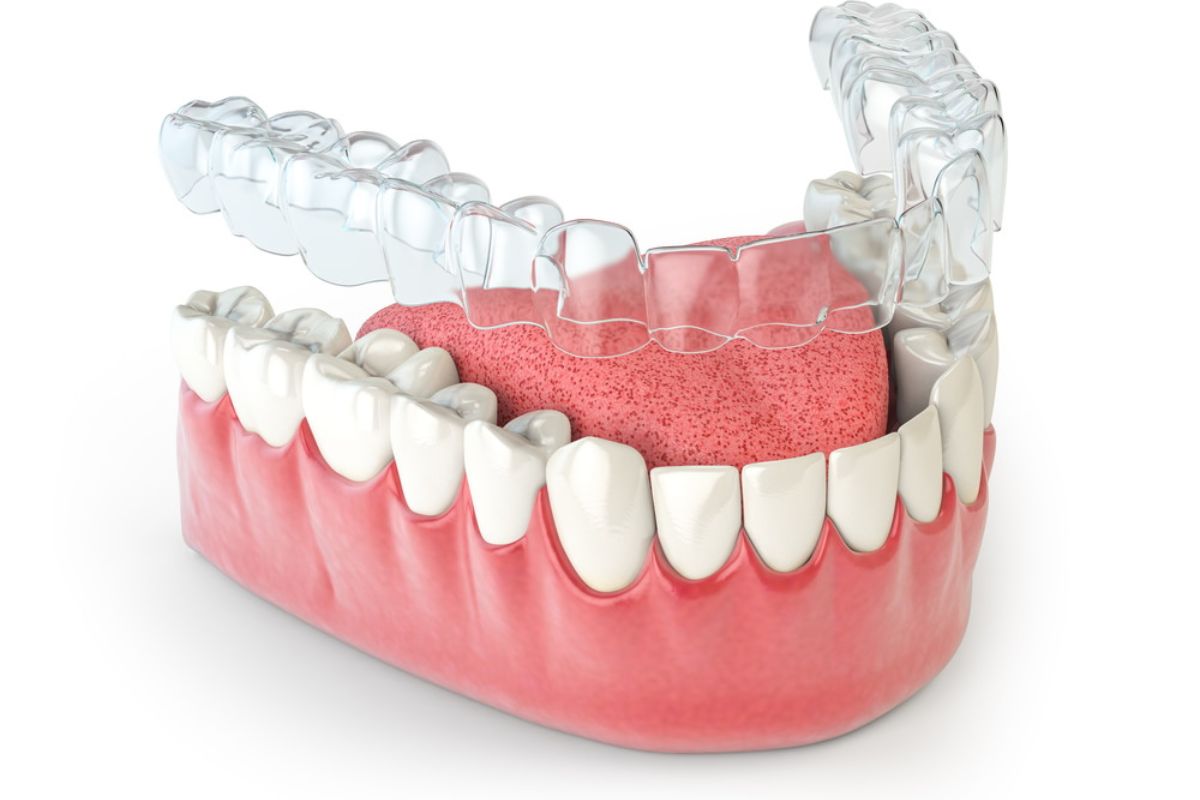
Invisalign is a popular and discreet alternative to traditional braces for straightening teeth. While this orthodontic treatment offers numerous benefits, it’s essential to protect your gums during the process to ensure a smooth and healthy experience. Proper care can help prevent irritation, inflammation, or other issues that may arise as your teeth shift into place. In this blog, we’ll explore several ways to protect your gums while using Invisalign aligners.
Understanding the Impact of Invisalign on Your Gums
Invisalign aligners are made of smooth, clear plastic that fits snugly over your teeth. Though designed to be gentle on the teeth, the aligners can sometimes irritate the gums, especially when you first start treatment or when the aligners are being adjusted. The edges of the aligners can rub against the gum line, causing discomfort and even minor soreness.
With consistent use and proper care, most patients find that their gums adjust over time. However, taking steps to protect your gums from the beginning is vital to avoid any complications during treatment.
1. Maintain Excellent Oral Hygiene
Good oral hygiene is essential for both the effectiveness of Invisalign and the health of your gums. Poor hygiene can lead to plaque buildup and gum disease, which may cause irritation and discomfort, particularly when wearing Invisalign aligners.
Brushing and Flossing
Brush your teeth thoroughly at least twice a day with fluoride toothpaste, ensuring that you clean all surfaces of your teeth and gums. Flossing once a day removes food particles and plaque from between the teeth, where brushing alone may not reach. Pay extra attention to the gum line to prevent gingivitis and gum disease, both of which can lead to gum sensitivity.
Clean Your Aligners
It’s just as important to keep your Invisalign aligners clean to prevent bacteria and plaque buildup. Clean them every time you remove them using a soft toothbrush and lukewarm water. Avoid using toothpaste or hot water, as these can damage the aligners. Keeping your aligners clean helps reduce the risk of gum irritation caused by bacterial growth.
2. Adjust Your Aligners Gradually
When you first start wearing Invisalign or when you switch to a new set of aligners, you may experience some discomfort or soreness. This is completely normal as your teeth begin to shift. However, if your aligners feel too tight or cause excessive discomfort on your gums, it may be worth discussing with your orthodontist.
Gradual Changes
Some people find it helpful to wear their new aligners for a shorter amount of time on the first day to help their mouth adjust. Gradually increasing wear time can reduce the pressure on your gums and minimize irritation.
Use Orthodontic Wax
If the edges of your Invisalign aligners are causing irritation to your gums, you can apply orthodontic wax over the problem areas. This creates a smooth barrier that protects your gums from rubbing against the aligners. Apply the wax carefully, and remove it before inserting your aligners again.
3. Stay Hydrated
Keeping your body hydrated has numerous benefits for your overall health, including the health of your gums. Dry mouth, which can be exacerbated by wearing aligners, can increase your risk of gum irritation and tooth decay. Saliva plays a critical role in protecting the gums by neutralizing acids and washing away food particles and bacteria.
Drink Water Frequently
Drinking water throughout the day helps keep your mouth moist and prevents dry mouth. If you experience dry mouth as a result of your aligners, sipping water regularly can alleviate discomfort. Avoid sugary beverages, as these can contribute to plaque buildup and gum disease.
4. Avoid Hard or Sticky Foods
While wearing Invisalign, it’s crucial to avoid certain foods that can harm your gums and aligners. Hard and sticky foods can damage both your aligners and your gums, especially when your aligners are causing temporary sensitivity or irritation.
Be Cautious with Food Choices
Foods like hard candy, nuts, and sticky gum should be avoided while wearing your Invisalign aligners. These types of foods can cause pressure on your gums, leading to discomfort. Additionally, sticky foods can get trapped between your aligners and your teeth, increasing the risk of cavities and gum problems.
5. Remove Your Aligners During Meals and Snacks
One of the key advantages of Invisalign is that the aligners are removable, which allows you to eat and drink without worrying about food getting stuck in your braces. To protect your gums and aligners, always remove them before eating or drinking anything except water. This will prevent food particles from getting trapped under the aligners, which can lead to gum irritation or infection.
Rinse After Eating
After meals or snacks, rinse your mouth with water before reinserting your aligners. This helps wash away food particles and reduces the risk of gum irritation caused by food debris trapped under the aligners.
6. Schedule Regular Check-Ups
Regular visits to your orthodontist are essential for monitoring the progress of your treatment and ensuring that your gums stay healthy throughout the process. Your orthodontist can assess whether your aligners are fitting properly and address any issues with irritation or discomfort. Additionally, routine check-ups allow for early detection of any potential gum problems before they become more serious.
Professional Cleanings
While maintaining oral hygiene at home is important, professional dental cleanings are equally vital. Your dentist or orthodontist will clean your teeth and gums more thoroughly, removing plaque and tartar buildup that could lead to gum irritation. Regular cleanings help ensure that your gums stay healthy while you undergo Invisalign treatment.
7. Manage Gum Sensitivity
If you experience persistent gum sensitivity or irritation despite following these steps, it’s essential to address the issue promptly. There may be an underlying problem, such as gum disease or an issue with the fit of your aligners, that needs attention.
Use Soothing Treatments
If your gums are sore, you can use a saltwater rinse to soothe the inflammation. Simply dissolve half a teaspoon of salt in warm water and rinse your mouth gently for a minute or two. This can help reduce swelling and promote healing.
8. Stay Patient and Consistent
Finally, it’s important to be patient and consistent with your Invisalign treatment. Your gums may take a little time to adjust to the new aligners, but with consistent care, any discomfort will generally subside as your treatment progresses. By maintaining excellent oral hygiene, following your orthodontist’s instructions, and practicing good habits, you can ensure that your gums stay healthy throughout the process.
Conclusion
Protecting your gums while wearing Invisalign is crucial to achieving a successful treatment outcome. By following the tips outlined above, including maintaining proper oral hygiene, removing your aligners during meals, staying hydrated, and seeking professional care, you can minimize gum irritation and ensure that your Invisalign treatment goes smoothly. You can enjoy the benefits of straighter teeth without compromising your gum health with a little effort and dedication.