Text: 402-773-6276



Early Orthodontics: A Guide to Straightening Smiles at a Young Age

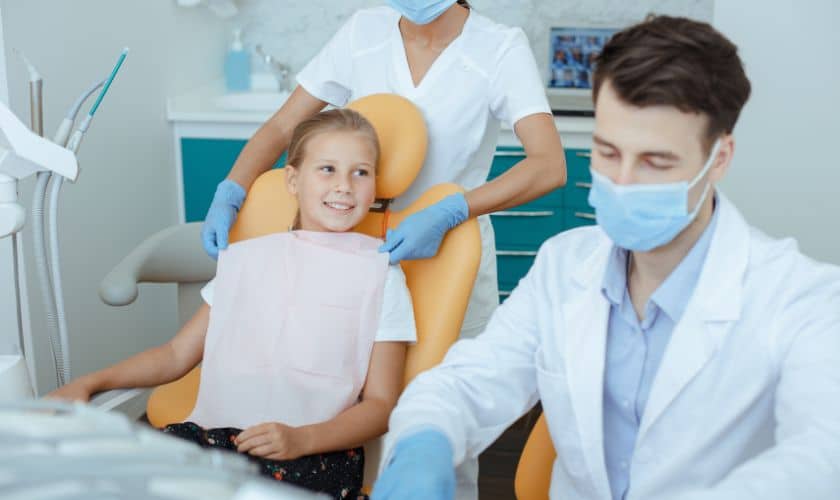
A beautiful smile is a confidence booster and an essential part of a person’s self-image. Ensuring their child’s smile develops properly is a top priority for many parents. Early orthodontics, also known as interceptive orthodontic treatment, is an effective approach to addressing orthodontic issues in children at a young age. In this comprehensive guide, we will explore the world of early orthodontics and provide valuable insights into the benefits of straightening smiles in the formative years.
What Is Early Orthodontics?
Early orthodontics involves treatment for children in their primary or mixed dentition stage, typically between 6 and 10. This approach is designed to address orthodontic issues, such as misaligned teeth and jaws, at an early age to prevent or reduce the severity of problems in the future. Early treatment can pave the way for a healthier, more confident smile as the child grows.
The Benefits of Early Orthodontics
- Prevent Future Problems: Early orthodontic treatment can prevent orthodontic issues from becoming more severe as a child grows. It can often eliminate the need for more extensive treatment, such as braces or surgery, in the future.
- Improves Facial Harmony: Early orthodontics can guide jaw growth and development, ensuring a more harmonious and balanced facial appearance.
- Boosts Self-Esteem: Addressing orthodontic issues at a young age can boost a child’s self-esteem and confidence, leading to a more positive self-image.
- Enhances Oral Health: Straightening teeth and aligning the jaws can improve oral health by making it easier to clean teeth and reducing the risk of dental problems in the future.
- Improved Speech: Some orthodontic issues can impact speech. Early treatment can help address these issues, leading to clearer and more confident speech.
- Reduced Treatment Time: In many cases, early orthodontic treatment can reduce the overall time a child needs to spend in braces or other orthodontic devices in the future.
Common Orthodontic Issues in Children
Several orthodontic problems can be addressed through early orthodontics, including:
- Crowding: When there is insufficient space in the mouth for permanent teeth to emerge correctly.
- Spacing: Gaps between teeth may result from missing or undersized teeth.
- Crossbites: A condition where upper teeth sit inside lower teeth, potentially affecting jaw development.
- Overbites: When upper front teeth significantly overlap the lower front teeth.
- Underbites: When lower teeth protrude past the upper teeth.
- Thumb Sucking: A habit that can lead to alignment issues and changes in jaw structure.
- Early Tooth Loss: Premature loss of baby teeth can affect the development of permanent teeth.
The Early Orthodontic Treatment Process
Consultation
The journey to a straighter smile for your child starts with a consultation with an orthodontist. During this initial visit, the orthodontist will evaluate your child’s oral health, assess their orthodontic needs, and discuss potential treatment options.
Diagnosis and Treatment Plan
The orthodontist will create a personalized treatment plan if early orthodontics is recommended. This plan may involve appliances such as braces, expanders, or space maintainers, depending on the issues that must be addressed.
Treatment Period
The treatment period for early orthodontics varies depending on the complexity of the orthodontic issues. In some cases, treatment may be completed within a few months, while more complex cases could take longer.
Monitoring Progress
Regular follow-up appointments are essential to monitor treatment progress and make any necessary adjustments to the orthodontic appliances.
Transition to Comprehensive Orthodontic Treatment
Children may sometimes need comprehensive orthodontic treatment, such as braces when they have all their permanent teeth. Early orthodontics can help prepare the mouth and teeth for this phase, making the treatment process smoother and more efficient.
Finding a Qualified Orthodontist
When considering early orthodontic treatment for your child, choosing a qualified and experienced orthodontist is essential. Here are some factors to consider:
- Credentials: Ensure the orthodontist is a licensed professional with the necessary credentials and education.
- Experience: Look for an orthodontist with experience treating children and a track record of successful outcomes.
- Recommendations: Seek recommendations from your child’s dentist, friends, or family members who have experience with orthodontic care.
- Comfort and Communication: A good orthodontist should create a comfortable and welcoming environment for your child and communicate effectively with you and your child.
Conclusion
Early orthodontics is a powerful tool for achieving a straighter smile and addressing orthodontic issues in children during their formative years. Addressing these issues early can prevent future problems, boost your child’s self-esteem, and enhance their oral health and well-being. If you’re considering early orthodontic treatment for your child, consult a qualified orthodontist to explore the possibilities and embark on a journey to a brighter, healthier smile that will last a lifetime. Smile confidently, starting from a young age, with the wonders of early orthodontics.