Text: 402-773-6276



Signs Your Child’s Mouth Breathing May Require Early Orthodontic Care

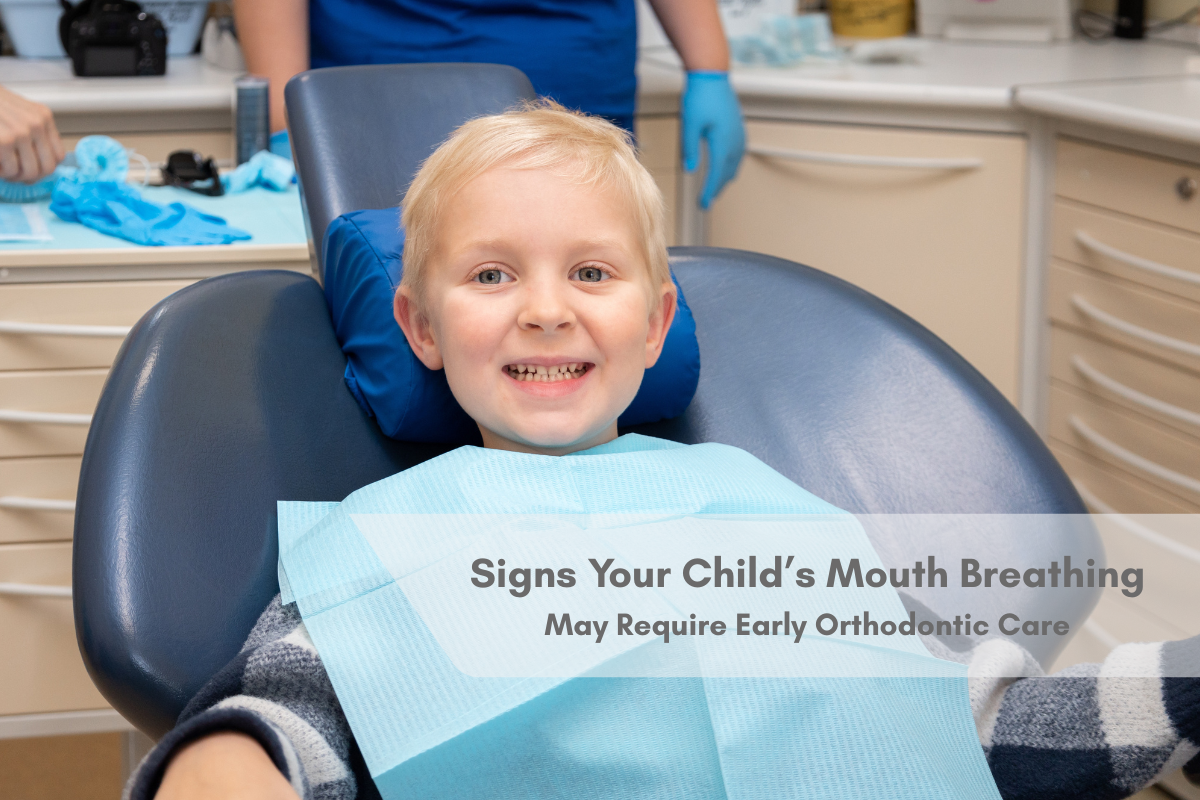
Parents across Omaha, Elkhorn, Bennington, and Papillion often notice small habits long before they realize those habits may be connected to dental development. A child sleeping with their mouth open, waking up with dry lips, chewing loudly, or snoring occasionally may not seem like orthodontic concerns at first. Many families assume children simply outgrow these behaviors. In practice, persistent mouth breathing is one of the patterns orthodontists pay close attention to because it can influence how the jaws, bite, and facial structures develop during growth.
At Discover Orthodontics, Dr. Molly Bodendorfer works closely with growing patients and their families to identify developmental patterns early rather than waiting until problems become more complex. Her approach focuses on understanding airway habits, jaw growth, bite function, and long-term stability, so treatment decisions are based on how the child is actually developing, not just whether teeth appear crooked.
Persistent mouth breathing during growth years can influence jaw development and bite alignment more than many parents realize. Contact us for an early orthodontic evaluation to help identify whether those changes are already beginning and what steps may help prevent more complex concerns later.
Mouth Breathing Often Starts as a Functional Problem, Not a Dental One
Many children begin mouth breathing because nasal airflow is limited. Seasonal allergies, enlarged tonsils, chronic congestion, or nasal obstruction may encourage the body to rely on the mouth for easier breathing. What parents do not always realize is that the position of the tongue changes during this process.
When a child breathes normally through the nose, the tongue typically rests against the roof of the mouth. That natural pressure helps support healthy upper jaw development. Mouth breathing changes that pattern. The tongue often drops lower in the mouth, reducing support for the upper arch during critical growth years.
Over time, orthodontists may begin noticing:
- narrowing of the upper jaw,
- crowding as permanent teeth erupt,
- crossbites,
- protruding front teeth,
- or a longer facial growth pattern.
This is one reason families seeking Early Orthodontic Treatment in Omaha are sometimes referred after concerns that originally appeared unrelated to orthodontics.
The Signs Parents Usually Notice First at Home
Children rarely say, “I cannot breathe through my nose properly.” Instead, parents tend to notice behavioral patterns.
Some of the most common signs include:
- sleeping with the mouth open,
- chronic snoring,
- dry or cracked lips in the morning,
- restless sleep,
- dark circles under the eyes,
- noisy breathing,
- difficulty keeping lips comfortably closed,
- frequent fatigue despite adequate sleep,
- and crowded baby teeth at an unusually early age.
One pattern orthodontists frequently observe is children who appear constantly tired yet have no obvious illness. Parents sometimes focus only on the teeth while overlooking disrupted nighttime breathing patterns that may be contributing to both sleep quality and jaw development.
Another overlooked sign is posture. Some mouth-breathing children habitually tilt their head forward slightly to open the airway more comfortably. Families often assume it is simply a posture habit rather than compensation for restricted airflow.
Why Waiting Too Long Can Complicate Development
Not every child who mouth breathes develops severe orthodontic problems. However, prolonged mouth breathing during active growth years increases the likelihood that the jaws and bite begin adapting around that breathing pattern.
This becomes especially important between ages 6 and 10, when significant skeletal development is still occurring. During this stage, orthodontists can often guide jaw development more predictably than later in adolescence.
Parents commonly wait until all permanent teeth erupt before seeking evaluation because they assume orthodontics only involves braces. In reality, some children benefit from monitoring or early intervention before crowding and bite discrepancies become more pronounced.
Families exploring early orthodontic treatment are often surprised to learn that the goal is not always immediate braces. Sometimes the priority is identifying whether airway-related growth patterns are progressing in a direction that could make future treatment significantly more difficult.
Mouth Breathing Is Not Always “Just Allergies”
A common misconception is that mouth breathing becomes irrelevant once allergy season improves. Orthodontists frequently see children whose breathing pattern continues even after congestion decreases because the habit itself becomes established.
Another mistake parents make is assuming occasional snoring is harmless in children. Persistent snoring combined with mouth breathing, restless sleep, or daytime fatigue warrants closer evaluation because airway concerns and orthodontic development often overlap.
In some cases, orthodontists coordinate with pediatricians or ENT specialists when enlarged tonsils, adenoids, or chronic nasal obstruction appear to be contributing factors. The goal is not simply straightening teeth. It is understanding why the developmental pattern is happening in the first place.
What Orthodontists Evaluate During an Early Visit
An orthodontic evaluation for mouth breathing goes beyond checking whether braces are needed.
Dr. Bodendorfer may assess:
- jaw width and symmetry,
- bite alignment,
- facial growth direction,
- spacing and eruption patterns,
- tongue posture,
- lip posture at rest,
- airway-related habits,
- and whether crowding appears skeletal or tooth-related.
One important distinction is whether the child can comfortably keep the lips closed at rest without strain. Many parents have never been told that lip posture itself can provide clues about airway function and jaw development.
Orthodontists also pay attention to edge cases that parents frequently overlook. Some children breathe normally during the day but switch to mouth breathing primarily during sleep. Others show minimal crowding initially, yet demonstrate narrowing of the upper arch that later contributes to eruption problems as larger permanent teeth come in.
Why Early Evaluation Does Not Mean Aggressive Treatment
One reason some parents delay orthodontic consultations is fear that their child will immediately be pushed into treatment. In reality, many early evaluations involve observation and timing rather than active applications right away.
A child may simply need periodic monitoring to determine whether growth is stabilizing or progressing toward more significant bite concerns. In other cases, limited early treatment may help create healthier jaw development and reduce future treatment complexity.
Orthodontists make these decisions based on growth patterns, not only cosmetic alignment.
Concerned About Mouth Breathing? Start With an Evaluation
Parents who notice persistent mouth breathing, crowded teeth, snoring, or restless sleep often benefit from having their child evaluated earlier rather than waiting for more noticeable orthodontic concerns to develop. At Discover Orthodontics, Dr. Molly Bodendorfer focuses on growth-based orthodontic evaluations that help families understand whether current breathing habits and developmental patterns may be influencing long-term jaw growth, bite alignment, and oral function.
Visit our dental practice at our two convenient Omaha, Nebraska, locations in West Omaha and Midtown. Families throughout the area trust our team for growth-focused orthodontic evaluations that help identify whether mouth breathing, bite changes, or jaw development concerns may benefit from early attention.
Many airway-related orthodontic concerns begin with subtle signs that families see every day but do not initially connect to facial growth or bite development. Identifying these patterns early often allows for more predictable guidance during growth years while helping reduce the risk of more complex orthodontic concerns later.
FAQs
Can mouth breathing cause crooked or crowded teeth in children?
Yes. Persistent mouth breathing can influence jaw development and reduce the space available for permanent teeth, increasing the likelihood of crowding and bite issues.
When should a child who mouth-breathes see an orthodontist?
Children showing persistent mouth breathing, snoring, crowded teeth, or difficulty keeping their lips closed should generally be evaluated during early growth years, often around age 7.
Is mouth breathing during sleep considered normal?
Occasional mouth breathing during illness or temporary congestion is common. Persistent nighttime mouth breathing is worth evaluating because it may affect sleep quality and jaw development.
Can allergies and enlarged tonsils contribute to orthodontic problems?
Yes. Chronic airway obstruction may encourage mouth breathing patterns that influence jaw growth and bite alignment over time.
Does every child with mouth breathing need braces?
No. Some children only require monitoring, while others may benefit from early intervention depending on how growth and bite development are progressing.
What does an orthodontist check during an early evaluation?
Orthodontists evaluate jaw growth, bite alignment, facial development, airway-related habits, spacing, crowding patterns, and functional concerns related to breathing and tongue posture.
Can mouth breathing affect facial growth?
Long-term mouth breathing during growth years may contribute to narrower arches, longer facial development, and changes in bite alignment.
What happens when mouth breathing is ignored for years?
Some children develop more complex crowding, crossbites, protruding teeth, or jaw discrepancies that become harder to correct later.