Text: 402-773-6276



Dental Issues That Invisalign Can Fix

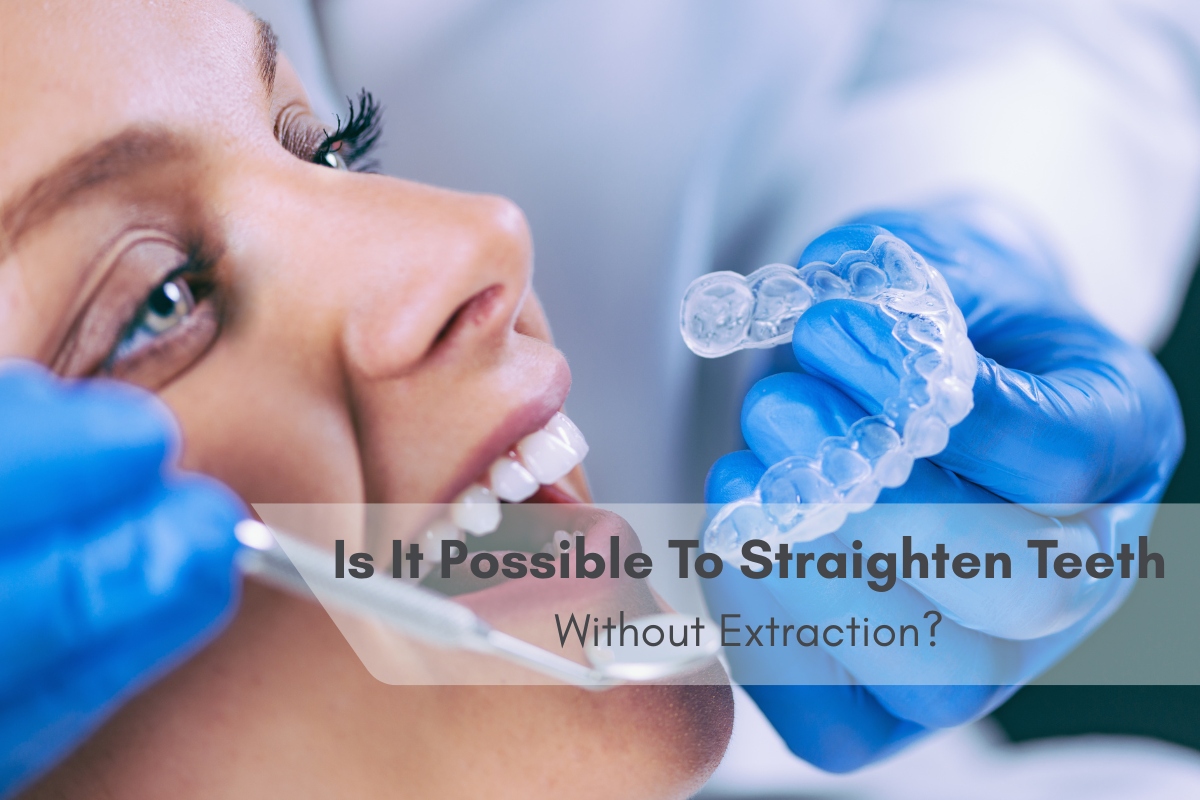
A straight, well-aligned smile is not just about aesthetics—it also plays a crucial role in maintaining good oral health. Many people struggle with misaligned teeth and bite issues that can lead to discomfort, difficulty chewing, and even long-term dental problems. Traditional metal braces were once the primary solution, but Invisalign has revolutionized orthodontic treatment by offering a discreet and comfortable alternative.
Invisalign is a popular choice for individuals looking for a nearly invisible way to correct their teeth alignment. But what specific dental issues can Invisalign effectively address? Let’s explore the most common dental problems that Invisalign can fix and how this innovative treatment works.
1. Overcrowded Teeth
Overcrowding occurs when there isn’t enough space in the jaw for all the teeth to fit properly. This can cause teeth to overlap, twist, or become misaligned. Overcrowded teeth make it difficult to clean between them, increasing the risk of cavities and gum disease.
How Invisalign Helps
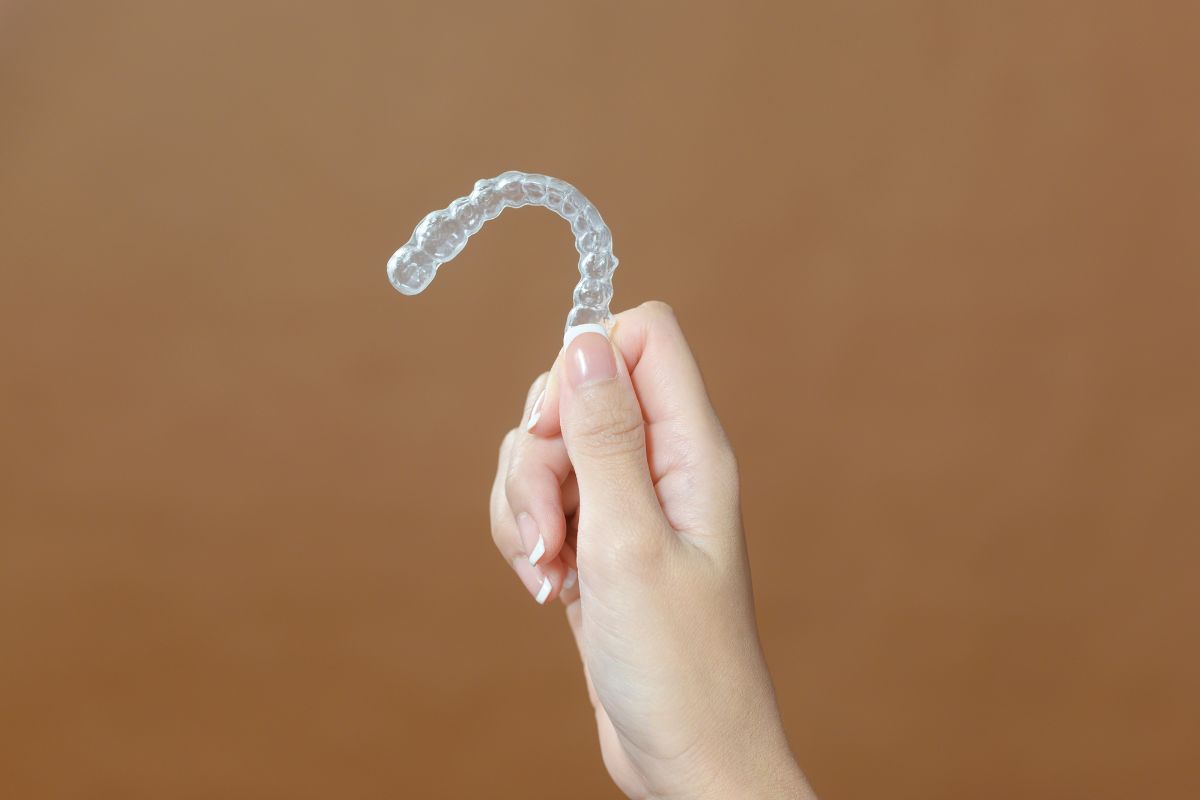
Invisalign clear aligners gradually move teeth into their proper positions by applying gentle pressure. The custom-made aligners create space by shifting teeth, allowing them to align correctly and improving oral hygiene.
2. Gaps Between Teeth
Gaps between teeth, also known as diastema, can occur naturally due to genetics, missing teeth, or an improper jawbone structure. While some people may embrace their gapped smile, excessive spacing can lead to food getting stuck, increasing the likelihood of plaque buildup and gum disease.
How Invisalign Helps
Invisalign can close these gaps by moving teeth closer together over time. By wearing a series of custom aligners, patients can achieve a more uniform and functional smile without the need for traditional braces.
3. Overbite
An overbite occurs when the upper front teeth significantly overlap the lower front teeth. While a slight overbite is normal, a severe overbite can lead to issues such as jaw pain, excessive tooth wear, and difficulty biting into certain foods.
How Invisalign Helps
Invisalign aligners gradually shift the upper and lower teeth into proper alignment, reducing the excessive overlap. This not only improves the appearance of the smile but also alleviates strain on the jaw and teeth.
4. Underbite
An underbite happens when the lower front teeth extend beyond the upper front teeth. This misalignment can cause difficulties in chewing and speaking and even lead to excessive wear on the teeth.
How Invisalign Helps
In cases of mild to moderate underbites, Invisalign can realign the teeth by moving the lower teeth backward and the upper teeth forward. However, severe underbites may require additional orthodontic treatments, such as surgery or braces combined with Invisalign.
5. Crossbite
A crossbite occurs when some upper teeth sit inside the lower teeth rather than outside. This misalignment can cause uneven wear on teeth, gum recession, and even lead to painful jaw issues.
How Invisalign Helps
Invisalign corrects crossbites by gradually repositioning the misaligned teeth. As the teeth shift into the correct positions, patients experience a more balanced bite and a reduced risk of dental complications.
6. Open Bite
An open bite is a condition where the upper and lower teeth do not meet when the mouth is closed. This can make it difficult to chew and may cause speech problems, such as a lisp.
How Invisalign Helps
Invisalign aligners work to move the upper and lower teeth into proper alignment, allowing them to come together when the mouth is closed. This can significantly improve both function and appearance.
7. Misaligned Teeth Due to Previous Braces
Some individuals who had braces earlier in life may experience shifting teeth due to not wearing retainers as prescribed. This relapse can lead to minor misalignment that may not require full orthodontic treatment.
How Invisalign Helps
Invisalign is an excellent solution for minor orthodontic relapse. It helps reposition teeth back into their ideal alignment without the need for another round of traditional braces.
8. General Bite Irregularities
Aside from the specific issues mentioned, some people may have minor bite irregularities that affect their dental health and function. These irregularities can lead to jaw pain, teeth grinding, and uneven tooth wear.
How Invisalign Helps
Invisalign helps correct mild bite irregularities by aligning teeth into their ideal positions, reducing the strain on the jaw and teeth. The treatment contributes to a more harmonious bite, leading to better long-term oral health.
Conclusion
Invisalign has transformed orthodontic treatment by providing a discreet, comfortable, and effective way to correct various dental alignment issues. Whether you have overcrowded teeth, gaps, bite problems, or minor misalignment, Invisalign can help restore your smile and improve your oral health.
If you’re considering Invisalign, consult with an experienced orthodontist to determine if you’re a suitable candidate. With the right treatment plan, you can achieve a straighter, healthier, and more confident smile.