Text: 402-773-6276



Is Invisalign Effective for Adult Underbites in Omaha, NE?

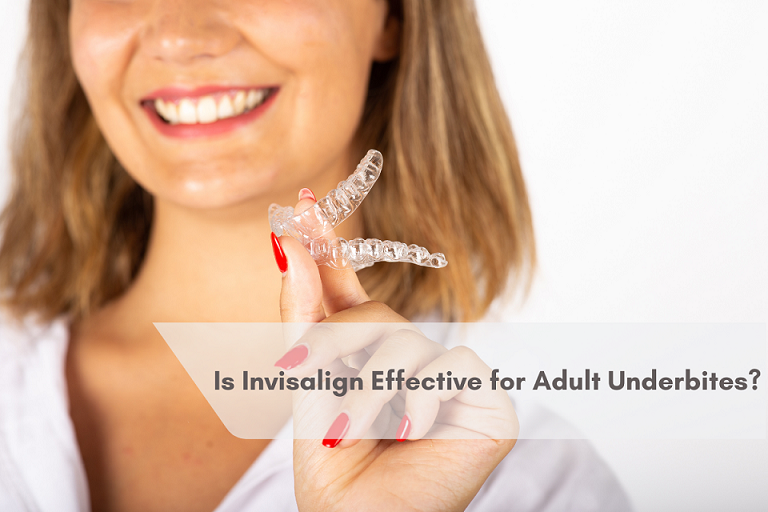
In Omaha, many adults quietly live with an underbite for years, adjusting how they chew at a steakhouse in the Old Market, avoiding certain foods at family gatherings, or feeling self-conscious during work presentations downtown. Some were told as teens they needed jaw surgery. Others started braces but never completed treatment. Now, with careers, families, and social commitments, they want an option that fits into real life.
At the same time, there’s growing awareness of discreet orthodontic options. Adults researching solutions often ask whether clear aligners can truly correct a bite issue or if they’re only for minor crowding. This guide explains how aligner therapy works for underbites, when it’s appropriate, and what Omaha residents should know before starting treatment.
A Local Approach to Bite Correction
Discover Orthodontics has served the Omaha community for over 25 years, providing orthodontic care in a welcoming and professional setting. The practice integrates state-of-the-art diagnostic imaging, computer-guided treatment planning, and modern orthodontic appliances to deliver predictable outcomes.
Dr. Molly Bodendorfer’s path into orthodontics began with her own childhood orthodontic experience. Seeing firsthand how treatment can improve confidence and overall well-being shaped her career. Today, she values the daily opportunity to connect with patients of all ages and guide them through transformative treatment journeys.
As an Invisalign® Elite Preferred Provider, Dr. Molly has advanced training in aligner-based correction and evaluates each adult case individually to determine whether aligners alone—or a combined approach—is most appropriate.
If you are considering Invisalign treatment in Omaha, the first step is contacting us to assess your bite, jaw relationship, and long-term oral health goals.
Understanding an Adult Underbite
An underbite (Class III malocclusion) occurs when the lower teeth sit in front of the upper teeth when biting down. According to the American Dental Association, untreated bite discrepancies can contribute to uneven tooth wear, jaw strain, and long-term oral health complications.
Common Symptoms in Adults
- Difficulty chewing certain foods
- Jaw tension or clicking
- Excessive wear on front teeth
- Facial profile concerns
- Speech changes in some cases
Underbites range from mild dental misalignment to more complex skeletal discrepancies involving jaw structure. That distinction determines whether aligner therapy is appropriate.
Can Invisalign Fix Underbite?
Yes, clear aligners can correct many mild to moderate adult underbites, particularly when the issue is dental rather than skeletal. Severe jaw discrepancies may require additional orthodontic mechanics or surgical intervention.
How It Works
The aligner system uses advanced 3D digital planning to gradually reposition teeth in small increments. Each set of trays is worn for about two weeks, applying calibrated forces that guide movement over time.
At Discover Orthodontics, patients exploring clear aligners in Omaha begin with digital scans rather than traditional impressions. The treatment plan may include:
- Precision attachments (small tooth-colored shapes that improve aligner grip)
- Interproximal reduction (subtle reshaping between teeth when necessary)
- Elastics in some bite-correction cases
For suitable cases, Invisalign treatment can improve bite alignment, reduce functional strain, and enhance long-term oral stability.
When Aligners May Not Be Enough
Orthodontic literature and peer-reviewed research show that skeletal Class III cases, where the lower jaw is structurally positioned forward, often require orthognathic surgery in adulthood for complete correction. The American Association of Orthodontists notes that early intervention in childhood can modify growth, but adult skeletal discrepancies are less responsive to orthodontics alone.
A comprehensive evaluation, including digital imaging and bite analysis, is essential before deciding on treatment.
Benefits of Invisalign for Omaha Adults
For eligible patients, aligners offer practical advantages:
Discreet Appearance
The trays are transparent and designed to be less noticeable during meetings, social events, and daily interactions.
Removable Convenience
Patients can remove aligners to eat, brush, and floss, supporting periodontal health during treatment.
Comfort
No brackets or wires that may irritate cheeks or lips.
Fewer Office Visits
Compared to traditional braces, aligner treatment often requires fewer adjustment appointments.
That said, compliance matters. Aligners must be worn 20–22 hours daily for predictable movement.
What Real Patients Are Saying
“Amazing and super friendly staff! Dr. Molly is wonderful and is great working with both adults and kids! The clinic is clean and welcoming. The technology used is state of the art, this was not like working with the old metal plates and clay to create molds (if you had braces in the 90’s/2000’s you know what I’m talking about). Scheduling was easy and they got me in right away to start an Invisalign treatment. Very happy to have found Dr. Molly and her team!”
— Matt Hague
Prospective patients are encouraged to explore additional Google reviews to hear more about real treatment experiences.
If an underbite is affecting your comfort or confidence, schedule a consultation with Discover Orthodontics. A personalized assessment can determine whether aligner therapy is appropriate for your case.
Call or text today to book your free consultation and learn how Dr. Molly can guide you toward lasting bite correction.
FAQs: Invisalign for Adult Underbites
1. How long does Invisalign take to fix an underbite?
Treatment time varies based on severity but often ranges from 12 to 24 months for mild to moderate cases.
2. Is Invisalign painful for underbite correction?
Patients typically experience mild pressure when switching aligners, which indicates tooth movement. Significant pain is uncommon.
3. Will I need surgery for my underbite?
Only severe skeletal cases generally require surgery. A clinical evaluation determines whether aligners alone are sufficient.
4. Can older adults get Invisalign for an underbite?
Yes. Age is not a limiting factor if teeth and gums are healthy.
5. Does insurance cover Invisalign?
Many dental insurance plans that include orthodontic benefits may partially cover aligner therapy. Verification is recommended before starting.