Text: 402-773-6276



Should You Try Oil Pulling While Wearing Braces? Expert Tips Inside

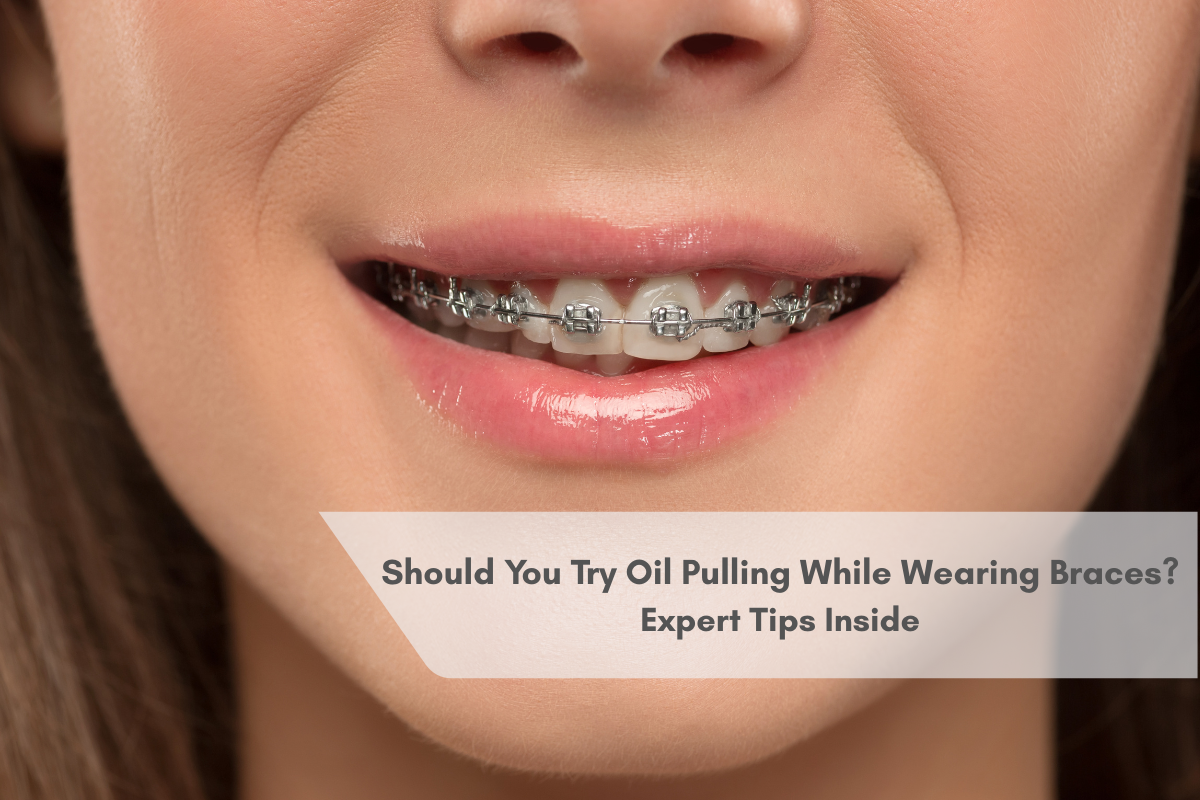
Oil pulling has become a popular natural remedy for enhancing oral hygiene, with many claiming its ability to freshen breath, reduce plaque, and promote gum health. But if you are wearing braces, you might wonder: Can oil pulling benefit your teeth and gums, or will it create challenges for your already complex oral care routine? In this blog, we will explore the benefits, risks, and tips on oil pulling with braces to help you decide if it is right for you.
What Is Oil Pulling?
The oil swishing technique is an ancient practice that involves swishing oil, typically coconut oil, in your mouth for several minutes. The oil helps “pull” toxins, bacteria, and debris from the mouth, leaving your teeth and gums cleaner. It’s a simple yet effective natural remedy that can be especially helpful for those wearing braces.
How Oil Pulling Works?
It works by drawing out harmful bacteria and toxins through the swishing action. As you move the oil around your mouth, it helps dislodge bacteria and impurities from hard-to-reach areas, such as around the brackets and beneath wires, where brushing might miss. Coconut oil, known for its natural antibacterial properties, further enhances the process of improving oral hygiene, particularly for individuals with braces.
Benefits Of Oil Pulling With Traditional Braces
Struggling to keep your mouth clean with braces? Discover how oil pulling, especially with coconut oil, can enhance your oral care routine with your orthodontic care provider, reduce plaque, and keep your gums healthy and fresh.
- Reduces Plaque and Bacteria
Wearing braces makes it easier for plaque and bacteria to accumulate, leading to cavities and gum disease. Coconut oil pulling benefits people with braces by helping remove plaque from hard-to-reach areas, making it an excellent addition to your oral care routine.
- Improves Gum Health
Braces can cause gum irritation, but the oil swishing technique helps reduce inflammation and promote healthier gums. Coconut oil’s natural antibacterial properties help fight harmful bacteria, preventing gum disease and soothing irritation.
- Fresher Breath
Braces trap food particles that can lead to bad breath. Oil pulling with braces helps remove these particles, resulting in a fresher mouth and improved breath. It’s an easy way to ensure your mouth stays clean, especially when food often gets stuck in your braces.
- Whiter Teeth
Though not a replacement for whitening treatments, oil pulling can help reduce surface stains and promote a brighter smile by removing food particles and bacteria that cause discoloration.
Side Effects Of Natural Oil Rinse With Braces
While this holistic approach to freshening the mouth offers several benefits, it is essential to be aware of some potential side effects.
First, oil can easily become trapped in the brackets and wires of your braces, making it difficult to clean them thoroughly afterward. This can leave behind residue if not properly brushed out, so it’s essential to follow up with a thorough brushing to remove any remaining oil.
Additionally, if you overdo the swishing or use cold oil, it may cause discomfort or sensitivity in your mouth. To avoid this, use warm oil and limit the swishing time to 10-15 minutes. Lastly, a natural oil rinse should always complement your regular oral hygiene routine. It is not a substitute for brushing and flossing, which are crucial for maintaining proper oral care, especially with braces.
Be sure to brush your teeth at least twice a day and floss regularly to ensure your braces and mouth stay clean and healthy.
Dentist-Approved Tips To Safely Use Oil Pulling To Clean Your Mouth With Braces
To get the most out of the practice, follow these expert tips:
- Choose the Right Oil: While coconut oil is the most popular option, sesame or sunflower oil are also suitable alternatives. Coconut oil has natural antibacterial properties, which can benefit your braces.
- Swish for 10-15 Minutes: Aim to swish the oil for 10-15 minutes. Going beyond this time may cause jaw discomfort and isn’t necessary for maximum benefit.
- Brush Thoroughly Afterward: After swishing, brush your teeth and braces to remove any leftover oil. Flossing is also a good idea to ensure your teeth are thoroughly clean.
- Consult Your Dentist: Always check with your dentist before adding oil pulling to your routine, especially if you wear braces. They can offer advice on how to incorporate it into your daily oral care routine safely.
Oil pulling with braces can offer several benefits, including reducing plaque, improving gum health, and freshening breath. However, it should be used alongside regular brushing and flossing, not as a replacement. If you want to incorporate this holistic approach to freshening the mouth into your routine, be mindful of potential side effects like messiness or sensitivity, and always follow up with a thorough cleaning.
At Discover Orthodontics in Omaha, we are committed to providing personalized care to help you maintain a healthy, confident smile, whether you are wearing braces or not. If you have questions or want guidance on your oral care routine, feel free to reach out. Schedule an appointment now!
Frequently Asked Questions
Q. Is it safe to try oil pulling while you are wearing braces?
Yes, when performed gently, oil pulling can be a complementary part of your oral care routine. However, be cautious around your brackets and wires to avoid irritation or dislodging any components.
Q. How do you know how oil pulling works for someone with orthodontic hardware?
The swishing action helps dislodge bacteria and debris from hard-to-reach areas around brackets and wires. Combined with the antibacterial properties of coconut oil, it aids in cleaning surfaces.
Q. Can this routine loosen my braces or wires?
It is unlikely that you swish gently. Vigorous swishing or prolonged sessions may stress your brackets or wires; therefore, it is essential to exercise caution.
Q. How often should someone with braces use this swishing-oil method?
For those with braces, oil pulling 2–3 times a week can help support hygiene. However, it should never replace brushing and flossing, which are essential for thorough care.
Q. Which type of oil is best when you’re wearing braces?
Coconut oil is the most effective due to its antimicrobial properties. It is gentle yet powerful, and when used correctly, it will not leave residue around the brackets or wires.