Text: 402-773-6276



What to Do When Braces Irritate Your Cheeks or Lips: Tips for Quick Relief

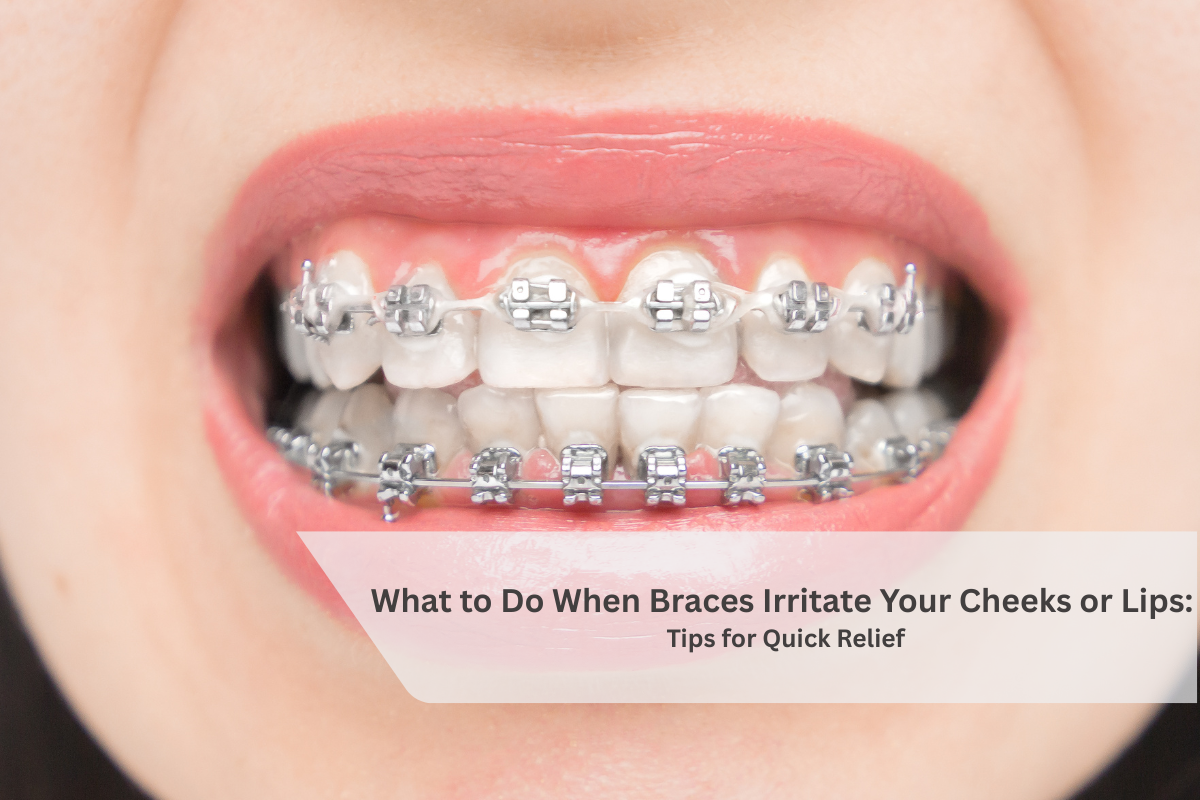
Getting braces is an exciting step toward a confident smile. However, for many Omaha residents, whether strolling in the Old Market or cheering on the Cornhuskers at Memorial Stadium, those new brackets or wires can rub the inside of your cheeks or lips. Luckily, you don’t have to endure discomfort.
To ensure your mouth adjusts, you can apply some effective strategies to ease irritation and stay comfortable. Would you like to learn some professional tips to guide you through this phase confidently? Read this blog till the end.
Why Braces May Irritate Your Soft Tissues?
When you visit your Orthodontist, you’ll learn that the brackets and wires of your braces can occasionally press or rub against the sensitive lining of your cheeks or lips. This friction can irritate, resulting in small cuts, sores, or discomfort. As a result, many patients experience temporary sensitivity, which can be managed effectively with the right solutions.
Moreover, after each adjustment, your braces’ wires may shift, creating additional pressure on the soft tissues in your mouth. This slight movement can aggravate already sensitive areas, leading to discomfort. Therefore, understanding the causes behind this irritation is key to finding appropriate solutions and preventing further issues as your braces treatment progresses.
Immediate Relief Steps You Can Try
While you are facing discomfort due to your orthodontic appliance, here are tips you can try to relieve:
- Use orthodontic wax: Pinch a tiny ball of wax and press it over the bracket or wire, rubbing your cheek or lip. This barrier helps reduce friction almost instantly.
- Rinse with warm salt water: Mix about a half to one teaspoon of salt in a cup of warm water. Swish gently for ~30 seconds and spit. Repeat 2–3 times daily. This aids in reducing inflammation and promoting healing.
- Stay hydrated: When your mouth is dry, friction and soreness worsen. Sip water throughout the day to keep your tissues moist and resilient.
- Select soft, gentle foods: Opt for yogurt, mashed potatoes, smoothies, or soup, especially right after an adjustment. Crunchy or sticky foods may aggravate irritation.
- Apply a topical oral pain gel: If the irritation persists, an over-the-counter oral anesthetic gel (benzocaine or similar) may provide temporary relief. Be sure to follow product instructions.
Preventive Measures to Keep Things Comfortable
To prevent ongoing irritation from braces, checking your wires and brackets regularly is essential. If a wire is poking or a bracket feels sharp, contact your orthodontist immediately for an adjustment.
Early intervention can correct any issues before they lead to more significant discomfort. Moreover, keeping up with your adjustments ensures your braces are functioning as intended, minimizing the likelihood of irritation.
Another important preventive measure is to avoid acidic or spicy foods, as they can worsen sensitivity in areas where your braces rub against your mouth. These types of foods can irritate already sore spots inside your cheeks or lips, delaying the healing process. Moreover, maintaining gentle yet thorough oral hygiene is crucial.
Using a soft-bristle toothbrush, flossing carefully, and rinsing with a non-alcohol mouthwash can help protect sensitive areas and promote faster healing. Over time, as your braces settle, the tissues in your mouth will toughen, and the irritation should subside, so patience is key to overcoming these initial challenges.
When Should You Contact Your Orthodontist?
If you notice any of the following, it’s time to schedule an appointment:
- A sore spot that does not improve in a week or two.
- Persistent bleeding, swelling, or signs of infection.
- Wires that are visibly broken, excessively poking, or loose brackets can extend your treatment time and cause more discomfort.
Remember, your local orthodontic specialist is there to keep your experience comfortable and efficient.
Ready to Say Goodbye to Braces Discomfort?
When your teeth aligners irritate your cheeks or lips, you don’t have to suffer in silence. With the right at-home strategies and by working with your trusted orthodontic provider in Omaha, you can find relief, protect your soft tissues, and stay focused on improving your smile. Whether you’re out at Jacob’s Park on a sunny Nebraska day or enjoying a stroll through the Riverfront, comfort matters.
For personalized care and swift relief, book an appointment with our team at Discover Orthodontics. Let us help you achieve a well-aligned, healthy smile without any discomfort.
FAQs
Why does it feel like my braces are cutting my cheek all of a sudden?
It may be that a wire has shifted or that a bracket edge became exposed after adjustment. The soft tissue inside your mouth is then rubbed, producing a sharp sensation or a cut.
How long does cheek or lip irritation from braces usually last?
In many cases, the soft tissues adapt to the hardware within 1–2 weeks, and inflammation subsides on its own.
Can I keep using orthodontic wax all the time?
Yes. Orthodontic wax is safe and effective as a temporary barrier anytime something rubs or pokes inside your mouth. Reapply as needed, especially after meals.
Will avoiding certain foods really help reduce cheek or lip irritation?
Absolutely. Hard, crunchy, or sticky foods can worsen friction against brackets and wires, and spicy or acidic foods may irritate soft tissue further. Sticking with softer, milder options supports healing.
If my mouth sores persist, what should I do?
Visit your orthodontist if you’re using wax, rinses, and a gentle diet, but the sores persist beyond two weeks. They can check for sharp wires, reposition brackets, or prescribe a special mouth rinse.