Text: 402-773-6276



Can I Take My Braces Off by Myself? Here’s Why That’s A Bad Idea

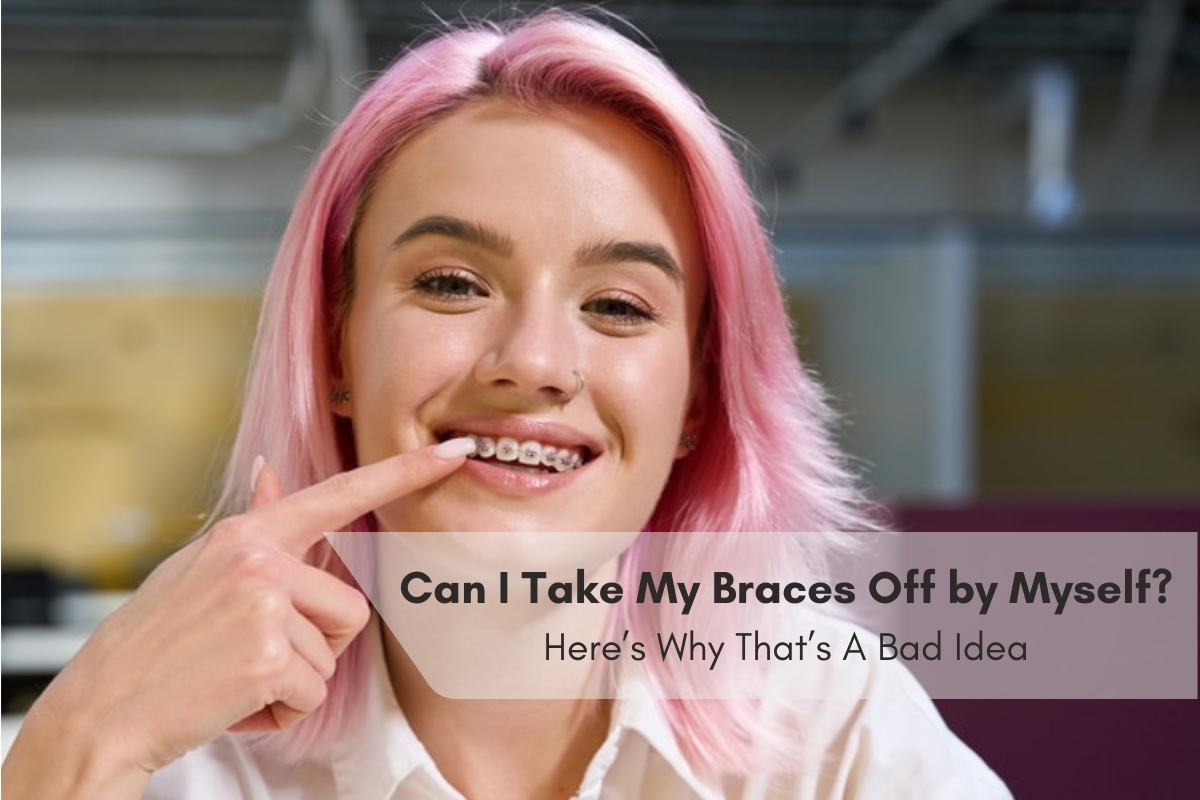
After months or even years of orthodontic treatment, it is natural to feel excited about seeing your new smile. Some people become impatient and wonder whether they can remove their braces at home instead of waiting for their scheduled appointment. Others may search online after experiencing discomfort or finding a loose bracket.
The short answer is no.
Trying to remove your own braces is unsafe and can permanently damage your teeth, gums, and orthodontic treatment results. Fixed braces are designed to stay securely attached until an orthodontist determines your teeth have reached their ideal position. Removing them too early can reverse your progress and create problems that are often more expensive to fix than the original treatment.
Dr. Molly Bodendorfer is committed to helping patients achieve healthy, lasting smiles through personalized orthodontic care. If you have questions about your braces, treatment progress, or the safest time for braces removal, our team is here to help. Contact us today to schedule an appointment and receive expert guidance for your smile.
Why DIY Braces Removal Is Dangerous
Braces are not designed to be removed with household tools or online “life hacks.” Every bracket is bonded to your tooth with a strong dental adhesive, and each wire plays a specific role in moving your teeth gradually into alignment.
Attempting to remove them yourself can lead to several complications, including:
Permanent Damage to Tooth Enamel
Orthodontic brackets are attached using professional bonding materials. Pulling or prying them off with pliers, nail clippers, or other tools can chip, crack, or permanently damage your enamel. Unlike other tissues in your body, enamel cannot regenerate once it is lost.
Teeth May Shift Before Treatment Is Complete
Your braces work by applying controlled pressure over time. Removing brackets before treatment is finished interrupts this process and allows teeth to begin moving back toward their original positions. Even a short delay without proper orthodontic supervision can affect your final results.
Gum Injuries and Soft Tissue Damage
Trying to remove wires or brackets yourself can cause cuts, bleeding, swelling, and irritation to your gums, cheeks, or lips. In some cases, these injuries may increase your risk of infection.
Adhesive Left Behind
Even if you successfully remove a bracket, the bonding adhesive usually remains on the tooth. This rough surface attracts plaque and bacteria, making it more difficult to brush effectively and increasing your risk of cavities and staining.
Why Braces Should Only Be Removed by an Orthodontist
Orthodontic treatment involves much more than straightening teeth for cosmetic reasons. Braces also improve bite alignment, chewing efficiency, speech in some cases, and overall oral health.
Every adjustment your orthodontist makes is carefully planned to achieve:
- Proper tooth alignment
- Balanced bite function
- Improved jaw positioning
- Reduced uneven tooth wear
- Better long-term stability
Removing braces before your orthodontist confirms treatment is complete can interfere with these goals and may require additional months of treatment to correct the setback.
What Happens During Professional Braces Removal?
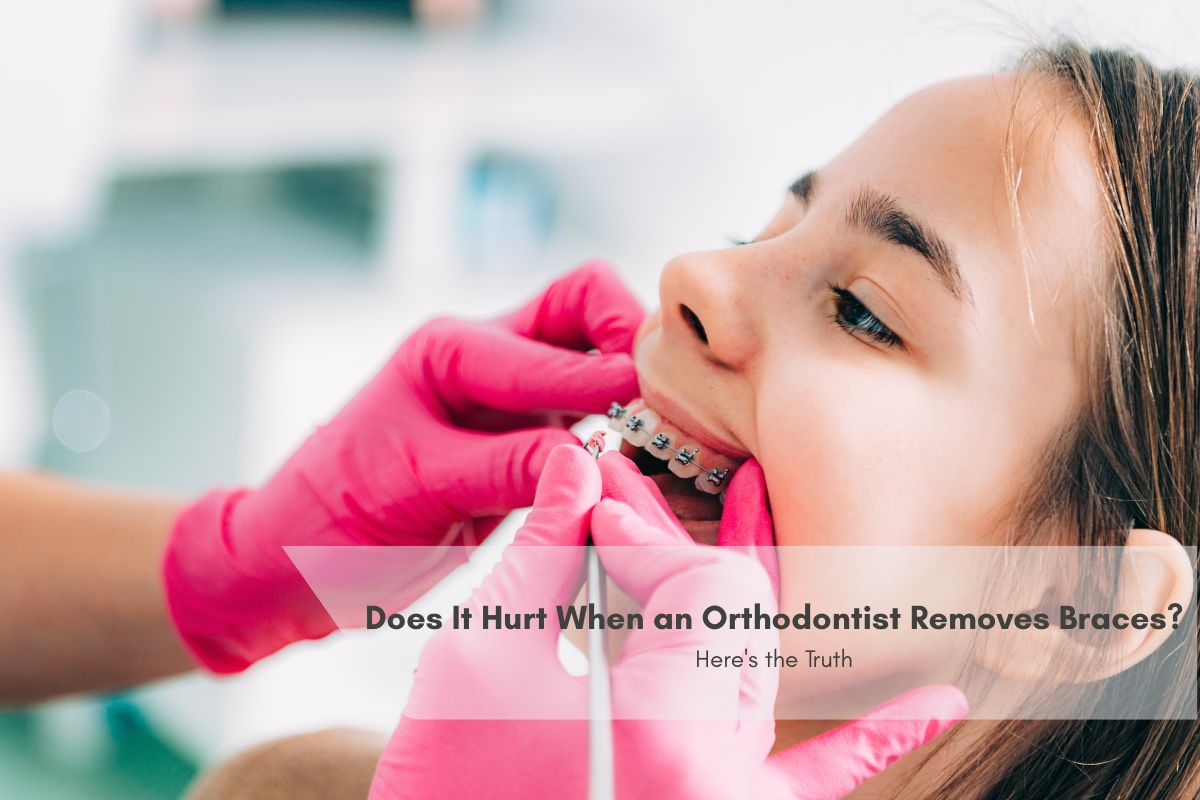
If you are receiving treatment from an orthodontist in Omaha for braces, your braces removal appointment is carefully planned to protect your teeth and ensure your new smile remains stable. Many patients are surprised to learn that the removal process is usually quick, comfortable, and completed using specialized orthodontic instruments designed to preserve healthy tooth enamel.
Your orthodontist will usually follow these steps:
1. Final Evaluation
Before removing your braces, your orthodontist confirms that your teeth, bite, and jaw alignment have reached the planned treatment goals.
2. Safe Bracket Removal
Specialized orthodontic instruments are used to gently release each bracket without damaging the enamel beneath.
3. Adhesive Cleanup
Any remaining bonding material is carefully polished away using professional dental equipment. This leaves your teeth smooth and clean without scratching the enamel.
4. Teeth Polishing
Once the adhesive has been removed, your teeth are polished to restore their natural appearance.
5. Retainer Fitting
Perhaps the most important step is receiving your custom retainer. Retainers help prevent orthodontic relapse by holding your teeth in their new positions while the surrounding bone and tissues stabilize.
Skipping this final stage significantly increases the likelihood that your teeth will shift over time.
Can I Remove a Loose Bracket Myself?
A loose bracket does not mean your braces are ready to come off.
If a bracket becomes detached from the tooth but remains attached to the wire, avoid pulling it off yourself. Contact your orthodontist as soon as possible so they can determine whether it needs to be repositioned or replaced.
In the meantime, orthodontic wax can help reduce irritation caused by loose brackets or wires.
Internet Braces Removal Hacks Can Cause Serious Damage
Videos on social media often claim that braces can be removed safely using dental floss, pliers, tweezers, or other household tools.
These methods are not supported by dental professionals and can result in:
- Chipped or fractured teeth
- Severe tooth sensitivity
- Exposed tooth structure
- Bleeding gums
- Oral infections
- Broken orthodontic appliances
- Incomplete treatment
- Costly restorative dental procedures
What looks simple in a short online video rarely shows the long-term damage that may follow.
What Should You Do If Your Braces Are Causing Problems?
If your braces feel uncomfortable, are rubbing against your cheeks, or something seems broken, do not attempt to fix the issue yourself.
Instead, contact your orthodontist if you experience:
- A loose bracket
- A poking wire
- Broken elastic ties
- Difficulty chewing
- Persistent discomfort
- A damaged retainer
- Concerns about your treatment progress
Most orthodontic issues can be resolved quickly during an adjustment appointment, helping you stay on track without compromising your results.
Protect Your Smile by Leaving Braces Removal to the Experts
Your braces represent months or years of carefully planned orthodontic treatment. Attempting to remove them yourself can damage your enamel, injure your gums, interrupt tooth movement, and increase the chances of needing additional treatment.
If you have concerns about discomfort, loose brackets, or you’re wondering whether your treatment is almost complete, schedule an appointment instead of attempting a DIY solution.
At Discover Orthodontics in Omaha, NE, our experienced orthodontic team safely removes braces, thoroughly cleans away orthodontic adhesive, evaluates your final results, and provides custom retainers to help protect your newly aligned smile for years to come. Visit our orthodontic office today in Omaha to schedule your braces removal appointment or discuss any concerns about your orthodontic treatment.
Common Questions About Removing Braces
Can I take my braces off early?
Only your orthodontist should decide when treatment is complete. Removing braces early increases the risk of teeth shifting and incomplete bite correction.
Will braces removal hurt?
Most patients experience little to no pain during removal. You may feel slight pressure as the brackets are detached, but the process is generally comfortable.
What happens if I accidentally break a bracket?
Call your orthodontic office as soon as possible. They will advise you whether you need an immediate appointment or if it can safely wait until your next visit.
Why do I need to wear a retainer afterward?
Your teeth naturally want to return to their previous positions. Wearing your retainer as instructed helps preserve your new smile and protects the investment you made in orthodontic treatment.