Text: 402-773-6276



Signs It’s Time for Your Child to Get Braces

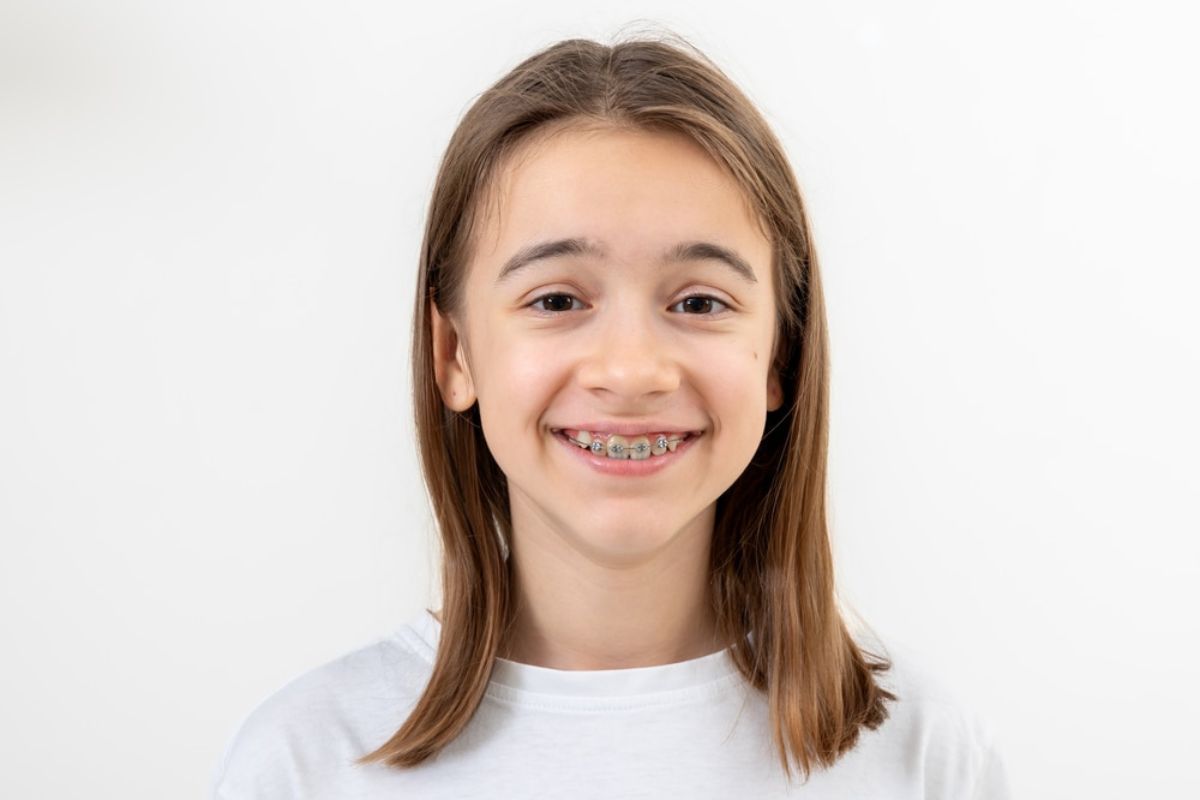
As parents, ensuring your child’s health and well-being is always a priority. Oral health is an essential aspect of their overall development, and keeping an eye on their dental health is vital. One of the most significant milestones in your child’s dental care journey may involve braces. While it can be challenging to determine the right time, there are clear signs that indicate your child may need braces treatment. This blog will explore these signs, the benefits of early intervention, and why seeking professional advice is crucial for your child’s oral health.
Why Braces Are Important for Your Child
Braces are not just about straightening teeth for a beautiful smile. They play a critical role in addressing dental and orthodontic issues that can affect your child’s oral health and confidence. By correcting misalignments, braces help:
- Improve bite function
- Prevent long-term dental issues like tooth decay or gum disease
- Enhance overall oral hygiene
- Boost your child’s self-esteem
Early orthodontic evaluation can help identify problems early, making treatments more effective and sometimes shorter in duration.
Signs Your Child May Need Braces
1. Crooked or Crowded Teeth
One of the most common signs that your child may need braces is visible crowding or crooked teeth. Teeth that are overlapping, twisted, or tightly packed can lead to long-term oral hygiene problems, as it becomes difficult to clean them properly. If you notice this in your child, it’s time to consult an orthodontist.
2. Misaligned Bite
A misaligned bite can take several forms, including overbite, underbite, crossbite, or open bite. These bite issues can lead to difficulties in chewing, speaking, and even breathing in severe cases. Misaligned bites are often easier to correct when addressed during childhood.
3. Early or Late Loss of Baby Teeth
Losing baby teeth too early or too late can impact the alignment of permanent teeth. If your child’s baby teeth are falling out too soon, neighboring teeth might shift into the empty spaces, leaving insufficient room for permanent teeth to erupt. Conversely, delayed loss of baby teeth can block permanent teeth from coming in.
4. Mouth Breathing or Snoring
Mouth breathing or frequent snoring can sometimes indicate underlying orthodontic issues, such as a narrow palate or misaligned jaw. These conditions may require orthodontic intervention, possibly involving braces.
5. Speech Difficulties
If your child is experiencing speech difficulties, such as lisping or struggling to pronounce certain sounds, it may be linked to misaligned teeth or jaw issues. Orthodontic treatment can help correct these problems, improving your child’s speech over time.
6. Chewing or Biting Problems
Children who struggle with chewing food or biting correctly may have a misaligned jaw or teeth. If your child frequently bites their cheeks or lips or has trouble eating, it’s worth consulting an orthodontist.
7. Jaw Pain or Clicking Sounds
Frequent jaw pain or clicking sounds when your child opens or closes their mouth may indicate Temporomandibular Joint (TMJ) disorders or other alignment issues. Orthodontic evaluation can determine whether braces treatment or other treatments are necessary.
Benefits of Early Orthodontic Evaluation
Orthodontic associations recommend that children have their first orthodontic evaluation by age 7. This might seem early, but identifying problems at this stage allows orthodontists to guide the growth and development of the teeth and jaw. Early orthodontic treatment can:
- Reduce the need for extractions or surgery later
- Shorten the overall duration of brace treatment
- Address issues while the child’s jaw is still growing and malleable
Types of Braces for Children
If your child does need braces, you have several options to consider. Your orthodontist will recommend the best choice based on your child’s specific needs:
1. Metal Braces
Traditional metal braces are durable and effective, making them a popular choice for kids. Today’s metal braces are more comfortable and smaller than those from years ago.
2. Ceramic Braces
Ceramic braces work like metal braces but are less noticeable because they blend in with the color of teeth.
3. Invisalign for Kids
Clear aligners, like Invisalign, are a more modern option. They are removable and virtually invisible, making them ideal for kids who may feel self-conscious about wearing braces.
What to Expect During Your Orthodontic Visit
If you suspect your child may need braces, the first step is to schedule a consultation with an orthodontist. During the visit, the orthodontist will:
- Examine your child’s teeth and jaw alignment
- Take X-rays and impressions of their teeth
- Develop a customized treatment plan
The orthodontist will explain the recommended course of action and answer any questions you may have.
Helping Your Child Adjust to Braces
Once your child gets braces, it’s important to help them adjust to their new lifestyle. You can support them by:
- Encouraging proper oral hygiene with regular brushing and flossing
- Providing a braces-friendly diet to avoid damage to brackets and wires
- Scheduling regular checkups with the orthodontist to monitor progress
Remember, while the adjustment period can be challenging, the long-term benefits far outweigh the temporary discomfort.
When Is the Right Time to Get Braces?
The timing of braces varies for every child, depending on their dental development and specific issues. For some children, the ideal time may be between the ages of 9 and 14, when most permanent teeth have come in. However, early orthodontic treatment can address problems sooner, preventing more complex issues down the line.
Final Thoughts
Identifying the signs that your child may need braces early on can make a significant difference in their oral health and confidence. If you notice crooked teeth, bite issues, or any other orthodontic concerns, don’t hesitate to consult a professional. Early orthodontic treatment not only ensures your child’s teeth are properly aligned but also sets the foundation for a lifetime of healthy, confident smiles.
Related Articles