Text: 402-773-6276



Does Invisalign Work for Fixing an Overjet?

An overjet, often referred to as “buck teeth,” occurs when the upper front teeth protrude too far beyond the lower front teeth. While this condition can affect the aesthetics of a smile, it may also lead to other dental problems, including difficulty biting, jaw pain, and speech issues. Many people looking to correct an overjet wonder whether Invisalign, a popular brand of clear aligners, can be an effective solution. In this blog, we will explore how Invisalign works for fixing an overjet and whether it is the right option for you.
Does Invisalign Work for Fixing an Overjet?
An overjet, often referred to as “buck teeth,” occurs when the upper front teeth protrude too far beyond the lower front teeth. While this condition can affect the aesthetics of a smile, it may also lead to other dental problems, including difficulty biting, jaw pain, and speech issues. Many people looking to correct an overjet wonder whether Invisalign, a popular brand of clear aligners, can be an effective solution. In this blog, we will explore how Invisalign works for fixing an overjet and whether it is the right option for you.
What is an Overjet?
An overjet is a malocclusion, or misalignment, where the upper teeth extend horizontally beyond the lower teeth. This condition differs from an overbite, where the upper teeth overlap the lower teeth vertically. Several factors, including genetics, thumb-sucking in childhood, or misalignment of the jaw, can cause an overjet. While it may not always cause discomfort, an overjet can affect your self-confidence and increase the risk of dental issues such as tooth wear and gum damage.
How Does Invisalign Work for Overjet Correction?
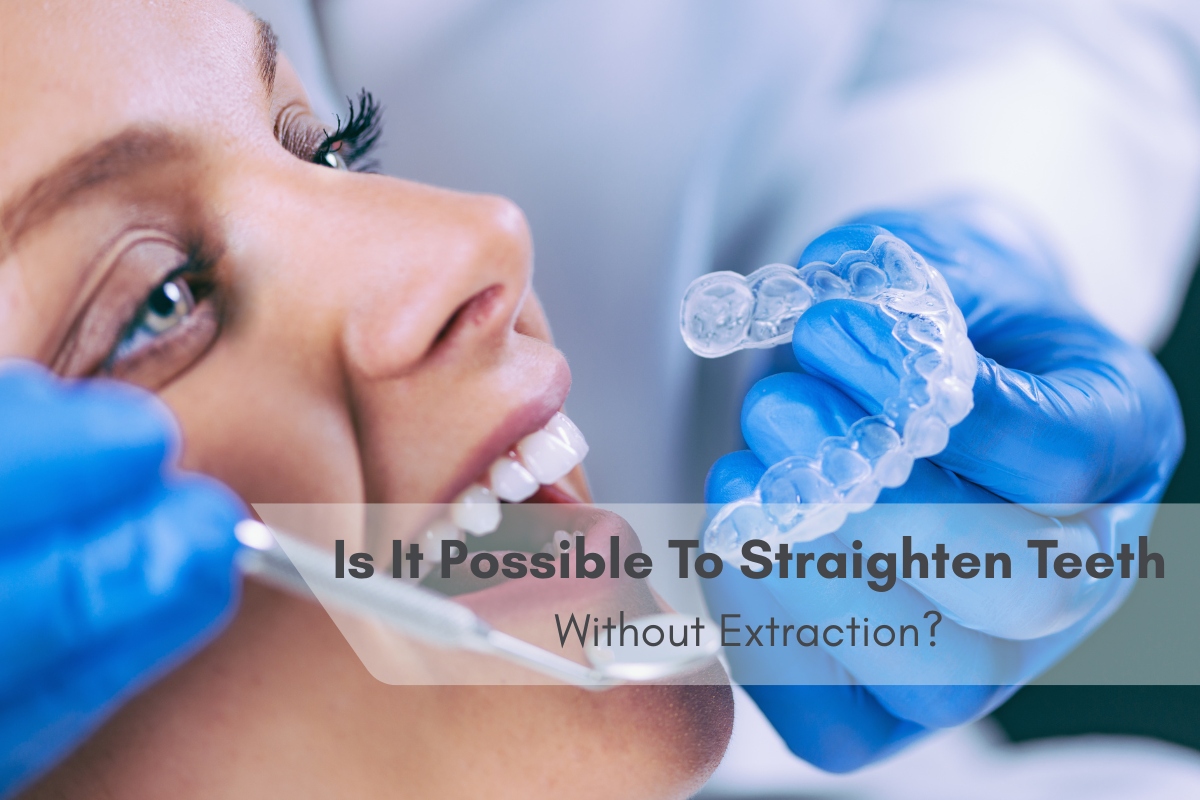
Invisalign is a system of clear plastic aligners that gradually move teeth into the correct position. Each aligner is custom-made to fit your mouth and designed to exert controlled pressure on specific teeth to achieve gradual alignment. The aligners are typically worn for 20-22 hours a day and replaced every one to two weeks, with the treatment plan adjusting as your teeth shift.
When it comes to fixing an overjet, Invisalign aligners work by:
- Shifting Teeth: Invisalign can move the upper teeth back while bringing the lower teeth forward, helping balance the bite.
- Gradual Correction: Each new aligner makes small adjustments, creating controlled and predictable movement over time.
- Customized Treatment Plan: A 3D digital model maps out each stage of movement for precise correction.
How severe an overjet can Invisalign treat?
The effectiveness of Invisalign largely depends on how far the upper teeth protrude, which is typically measured in millimeters.
- Mild overjet (1–3 mm): Invisalign is highly effective and often delivers predictable results without additional appliances.
- Moderate overjet (4–6 mm): Invisalign can still work well, but treatment may require attachments or elastics to improve tooth movement and bite correction.
- Severe overjet (7 mm or more): Results become less predictable with aligners alone. These cases may require a combination of orthodontic techniques or alternative treatments.
It is important to note that if the overjet is caused primarily by jaw positioning rather than tooth alignment, Invisalign alone may not fully correct the issue.
How Invisalign corrects overjet: attachments and elastics explained
For many overjet cases, Invisalign treatment involves more than just clear aligners.
- Attachments: These are small, tooth-colored shapes bonded to specific teeth. They act as anchor points, allowing aligners to apply more precise force and control difficult movements, such as pulling front teeth backward.
- Elastics (rubber bands): In moderate to more complex cases, elastics may be used to connect the upper and lower aligners. They help guide jaw positioning and improve bite alignment by encouraging the lower jaw forward or the upper teeth backward.
These additions significantly expand what Invisalign can treat, making it a viable option for more than just minor cosmetic corrections.
Can Invisalign Correct Severe Overjets?
While Invisalign can be effective for many people with mild to moderate overjets, its effectiveness in treating severe overjets depends on several factors. In some cases, an overjet may require more extensive treatment, such as the use of additional tools like rubber bands, attachments, or even traditional braces in combination with Invisalign. Severe cases might involve jaw alignment surgery, which Invisalign alone may not address.
However, for many patients, Invisalign offers a non-invasive, discreet way to fix an overjet without the need for traditional metal braces.
Invisalign vs. braces for overjet – which works better?
Both Invisalign and traditional braces can correct an overjet, but they differ in mechanics and suitability.
- Invisalign: Best suited for mild to moderate overjets and patients who prefer a discreet, removable option. It offers strong control when combined with attachments and elastics but relies heavily on patient compliance.
- Traditional braces: Often more effective for severe overjets or complex bite issues. Braces provide continuous force and allow orthodontists to make real-time adjustments that are sometimes more difficult with aligners.
In many cases, the decision comes down to the severity of the overjet, lifestyle preferences, and how much control the orthodontist needs over tooth movement.
When you need jaw surgery instead of Invisalign for overjet
In some situations, an overjet is not just a dental issue but a skeletal one involving jaw misalignment.
Jaw surgery, also known as orthognathic surgery, may be recommended when:
- The overjet exceeds 8–10 mm and is caused by a significantly recessed lower jaw
- There are functional issues, such as difficulty chewing, speaking, or breathing
- Facial imbalance is a major concern alongside dental misalignment
In these cases, Invisalign or braces may still be used before and after surgery, but they cannot replace surgical correction of the jaw structure.
Factors That Affect Invisalign’s Effectiveness for an Overjet
Several factors can influence whether Invisalign is a suitable solution for fixing your overjet:
1. Severity of the Overjet
Invisalign can be highly effective for mild to moderate overjets, while severe cases may require alternative approaches.
2. Age of the Patient
Invisalign is often more effective for patients with fully developed teeth and jaws, typically those aged 16 or older.
3. Compliance with Wearing Aligners
Wearing aligners for 20-22 hours daily is critical. Inconsistent use can delay or compromise results.
4. Additional Dental Issues
Conditions like cavities or gum disease must be treated first. Some cases also require attachments or elastics.
Benefits of Using Invisalign for an Overjet
1. Discreet Appearance
Clear aligners are nearly invisible, making them a popular choice for adults and teens.
2. Comfortable
Smooth plastic aligners reduce irritation compared to metal brackets and wires.
3. Removable
You can remove aligners for eating, brushing, and flossing, making oral hygiene easier.
4. Fewer Orthodontic Visits
Check-ups are typically spaced every 6-8 weeks.
Is Invisalign Right for You?
Invisalign is an excellent option for many people looking to correct an overjet. However, it is essential to consult with an experienced orthodontist to determine if it is the right choice for your specific needs. A professional evaluation will assess severity, jaw alignment, and overall oral health before recommending a treatment plan.
Conclusion
Invisalign can be an effective solution for fixing an overjet, especially for mild to moderate cases. The aligners gradually reposition teeth while offering a discreet and comfortable alternative to braces. However, more complex or severe cases may require additional orthodontic techniques or surgical intervention.
If you are considering Invisalign treatment in Omaha, contact us today to learn how we can help you achieve a healthier, more confident smile.