Text: 402-773-6276



What Is Orthodontic Extrusion?

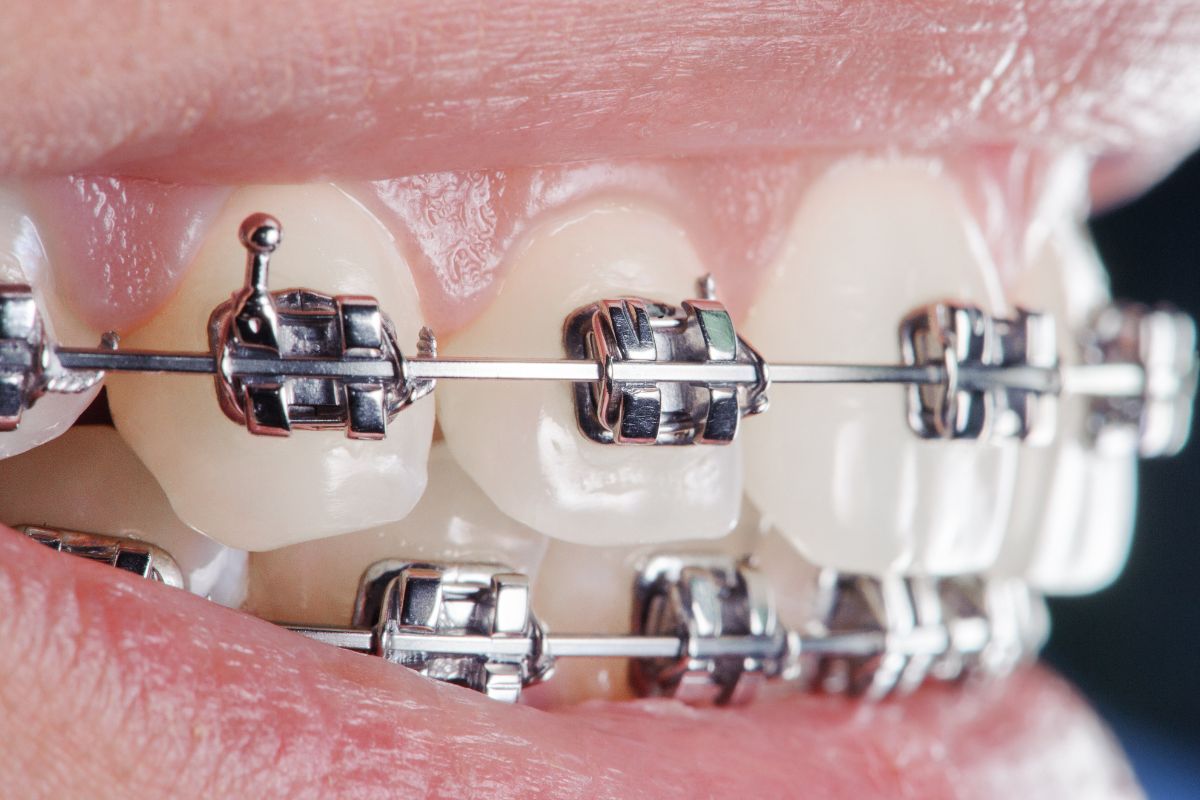
Orthodontic treatments are often associated with braces, aligners, and straightening crooked teeth. However, the field of orthodontics covers a variety of techniques beyond alignment. One such method is orthodontic extrusion—a specialized procedure used to move teeth vertically within the gum line. This approach plays a crucial role in many restorative and cosmetic dental cases. In this article, we’ll explain what orthodontic extrusion is, how it works, and when it’s recommended.
Understanding Orthodontic Extrusion
Orthodontic extrusion, also called forced eruption, is a procedure that involves gradually moving a tooth upward (out of the gum) to reposition it. Unlike typical orthodontic movement, which focuses on horizontal adjustments, extrusion aims to pull a tooth vertically.
The process uses braces, aligners, or wires to apply controlled pressure on the affected tooth, encouraging it to shift in the desired direction over time. Orthodontic extrusion is often combined with other treatments, such as Invisalign treatment, to ensure the surrounding teeth remain aligned during and after the procedure. This technique allows dentists to restore damaged teeth or make room for further dental work.
Why Is Orthodontic Extrusion Necessary?
Orthodontic extrusion is particularly useful in cases where teeth have sustained damage or need repositioning to support other treatments. Here are the most common reasons for performing this procedure:
1. Treating Fractured Teeth
When a tooth has broken near the gum line, extrusion can help expose the remaining tooth structure. This is essential to place a crown or other restoration without having to extract the tooth entirely.
2. Correcting Short Teeth
Sometimes, teeth are too short or recessed within the gums. Orthodontic extrusion helps lengthen the visible portion of the tooth, improving aesthetics and ensuring the tooth can support crowns or veneers.
3. Managing Periodontal Issues
In some cases, extrusion can improve gum health by exposing damaged or recessed areas of a tooth, making it easier for dentists to clean and restore them.
4. Making Space for Implants or Bridges
If a tooth is missing, the adjacent teeth may shift. Extrusion can adjust neighboring teeth to create the right spacing and alignment for implants, bridges, or dentures. It can also complement treatments like Invisalign treatment, ensuring that overall dental alignment is maintained.
The Process of Orthodontic Extrusion
Orthodontic extrusion is a gradual process that requires careful planning. Below is a breakdown of the typical steps involved:
Step 1: Evaluation and Planning
Before starting extrusion, the orthodontist conducts a thorough examination using X-rays and 3D imaging. This helps determine the amount of extrusion needed and whether the surrounding tissues are healthy enough to support the movement.
Step 2: Placement of Brackets or Wires
Once the treatment plan is finalized, brackets, wires, or aligners are used to apply controlled tension to the tooth. The goal is to move the tooth upward incrementally.
Step 3: Gradual Tooth Movement
Over the course of a few months, the tooth is gently repositioned. The orthodontist adjusts the force at each appointment to ensure safe and steady movement without damaging the tooth roots or gums.
Step 4: Stabilization and Final Restoration
After the extrusion is complete, the tooth may require stabilization to prevent it from relapsing into its original position. This is often followed by restorative work, such as placing a crown, veneer, or bridge, to complete the treatment.
How Long Does Orthodontic Extrusion Take?
The length of treatment varies depending on the patient’s condition and the amount of extrusion required. On average, the process takes 6 to 12 weeks, although more complex cases may take longer. Regular appointments are necessary during this period to monitor progress and make adjustments.
Are There Any Risks Involved?
Like any dental procedure, orthodontic extrusion comes with potential risks. However, with proper care and supervision, these risks are minimal. Some issues to watch out for include:
1. Tooth Sensitivity
During the extrusion process, patients may experience temporary sensitivity or discomfort, particularly while eating or drinking cold foods.
2. Relapse Risk
Once the tooth is repositioned, there’s a chance it could shift back to its original position. Using retainers or stabilizing devices helps prevent relapse. Invisalign treatment can also be used as a follow-up to maintain alignment after the extrusion process is completed.
3. Gum and Bone Health Issues
Extrusion must be carefully managed to avoid damage to the gums or bone structure surrounding the tooth. Frequent monitoring helps minimize these risks.
What to Expect After the Procedure
After the extrusion process is complete, the orthodontist will likely recommend some form of retention or stabilization to keep the tooth in its new position. Depending on the initial reason for the extrusion, follow-up treatments such as crowns, bridges, or implants may also be necessary.
Patients can expect some mild discomfort immediately after each adjustment session, but it usually subsides within a day or two. Good oral hygiene is essential throughout the treatment to prevent infections or gum issues.
Conclusion
Orthodontic extrusion is a valuable procedure used to address a range of dental challenges, from fractured teeth to spacing problems for implants. By carefully repositioning a tooth vertically, orthodontists can help save damaged teeth, improve oral health, and prepare the mouth for further restorative work.
In some cases, Invisalign treatment may complement orthodontic extrusion, ensuring that the teeth remain in proper alignment after the procedure. Although extrusion requires time and expertise, the benefits make it a preferred option in many complex dental cases. If you have a damaged tooth or need assistance with restorative dental care, talk to your orthodontist to see if orthodontic extrusion is the right solution for you.