Text: 402-773-6276



How Long Does Invisalign Take for Minor Correction?

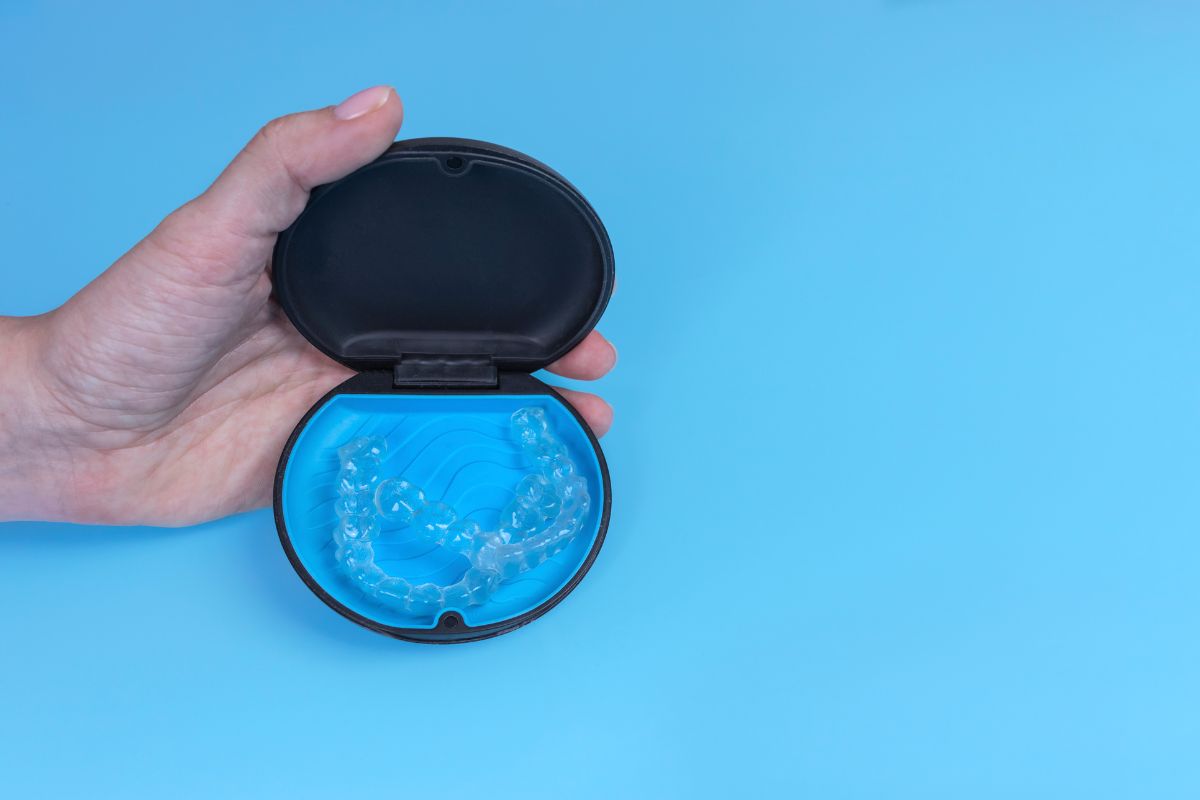
Invisalign has become a popular option for people looking to straighten their teeth without the visibility and restrictions of traditional braces. While it can treat a wide range of orthodontic concerns, many patients specifically ask how long Invisalign takes for minor corrections.
The short answer: most minor cases are completed in 3 to 6 months. However, the real timeline depends on how your teeth need to move and how consistently you follow the treatment plan.
What Qualifies as a Minor Invisalign Case?
A minor Invisalign case is not just about how small the issue looks. Orthodontically, it refers to cases that require limited, controlled tooth movement without significant bite correction or jaw repositioning.
Here are the clinical indicators typically used:
Limited tooth movement (1 to 3 mm)
Teeth need slight repositioning rather than full movement
Example: A front tooth slightly pushed forward or backward
Mild crowding (1 to 4 mm space discrepancy)
Teeth overlap slightly but do not require extractions
Example: Lower front teeth mildly overlapping
Small spacing issues (1 to 4 mm gaps)
Gaps can be closed without complex mechanics
Example: Small gap between upper front teeth
Minor rotations (under 20 degrees)
Teeth are slightly twisted but not severely rotated
Example: A lateral tooth turned slightly inward
Minimal bite issues
No major jaw misalignment or functional problems
Example: Slight overbite without chewing difficulty
Cases involving larger movements, significant bite correction, or jaw alignment typically require comprehensive Invisalign treatment rather than minor correction, which is available at our Omaha dental practice.
Typical Timeline for Minor Invisalign Corrections
Although every case is unique, minor Invisalign treatments generally follow a predictable structure:
Initial Consultation and Planning (1 to 2 weeks)
Your dentist or orthodontist takes digital scans and maps out a precise treatment plan. You’ll receive a projected timeline and preview of expected results.
Active Aligner Phase (3 to 6 months)
You’ll wear a series of custom aligners that gradually shift your teeth. Each set is typically worn for 1 to 2 weeks, for 20 to 22 hours per day.
Final Adjustments and Retention (1 to 2 weeks)
After alignment is achieved, you may use refinement aligners briefly. Retainers are then introduced to maintain results.
Factors That Affect Invisalign Treatment Time
Even for minor corrections, several variables influence how quickly you see results:
Consistency with aligner wear
Wearing aligners for less than 20 to 22 hours daily is the most common reason for delays
Type of movement required
Closing gaps is usually faster than correcting rotations or bite-related shifts
Appointment compliance
Missing check-ins can delay progress tracking and refinements
Biological response
Bone density and gum health affect how quickly teeth move
How to Stay on Track and Avoid Delays
If your goal is to complete treatment as efficiently as possible, execution matters more than case size.
Follow the 22-hour rule strictly
Only remove aligners for eating, drinking anything besides water, and oral hygiene
Use chewies daily
They help seat aligners properly, improving force application
Maintain excellent oral hygiene
Inflamed gums or dental issues can slow movement
Address issues early
Broken or ill-fitting aligners should be reported immediately
Self-Assessment: Do You Need Minor or Full Invisalign?
Many patients assume their case is minor when it may involve deeper bite or alignment issues. This quick checklist helps guide expectations.
You’re likely a minor Invisalign candidate if:
- Only 1 to 2 teeth appear slightly misaligned
- Gaps are small and localized
- Your bite feels mostly normal
- You’ve had braces before and teeth have shifted slightly
- Your concern is mainly cosmetic
You may need full Invisalign treatment if:
- Multiple teeth are crowded or overlapping
- You notice bite problems when chewing
- Teeth are significantly rotated or out of position
- Jaw alignment feels uneven or uncomfortable
- Alignment issues affect both upper and lower arches
A digital scan is still required to confirm case complexity, but this helps you pre-qualify realistically.
Is Invisalign Worth It for Minor Corrections?
For patients with small alignment concerns, Invisalign is often one of the most efficient and practical solutions.
Discreet appearance
Clear aligners are nearly invisible, making them ideal for adults and professionals
Comfort and flexibility
No brackets or wires, and aligners are removable for eating and cleaning
Shorter treatment time
Minor cases are typically completed faster than traditional orthodontics
Noticeable confidence boost
Even small improvements can significantly enhance your smile
What Happens If Treatment Takes Longer?
Not all cases stay perfectly on schedule, even minor ones.
Common reasons include:
- Inconsistent aligner wear
- Slower-than-expected tooth movement
- Fit issues with aligners
In these situations, your provider may recommend refinement aligners. These are additional trays designed to fine-tune the final result and ensure proper alignment and bite function.
Conclusion
Invisalign is a highly effective solution for minor dental corrections, with most cases completed in 3 to 6 months. The key factors that influence your timeline are consistency, case complexity, and how your teeth respond to movement.
If you suspect your case is minor, the best next step is a professional consultation. A customized treatment plan will give you a clear timeline and ensure your results are not just fast, but stable and long-lasting.
Frequently Asked Questions
Is Invisalign worth it for just one tooth?
Yes, but even a single tooth movement often requires minor adjustments to surrounding teeth to maintain alignment and bite balance.
How many aligners are needed for minor correction?
Most minor cases use 10 to 20 aligners, depending on movement complexity.
Can minor Invisalign cases finish faster than 3 months?
Some very mild or relapse cases can finish in 8 to 10 weeks, but controlled movement is prioritized over speed.
Do minor cases still require attachments?
In some cases, yes. Attachments improve control for specific movements like rotation or vertical shifts.
Will I need retainers after treatment?
Yes. Retainers are essential to prevent teeth from shifting back, regardless of case size.
What if my case turns out to be more complex?
Your provider may extend the plan or add refinement aligners to achieve a stable, functional result.