Text: 402-773-6276



Is Invisalign Worth It for Minor Corrections?

In the world of orthodontics, Invisalign has emerged as a popular alternative to traditional braces, particularly for those seeking a discreet solution to straighten their teeth. While many people are familiar with its effectiveness for significant misalignments, a common question arises: Is Invisalign worth it for minor corrections? This blog delves into the benefits, considerations, and potential limitations of using Invisalign for minor dental adjustments.
Understanding Invisalign
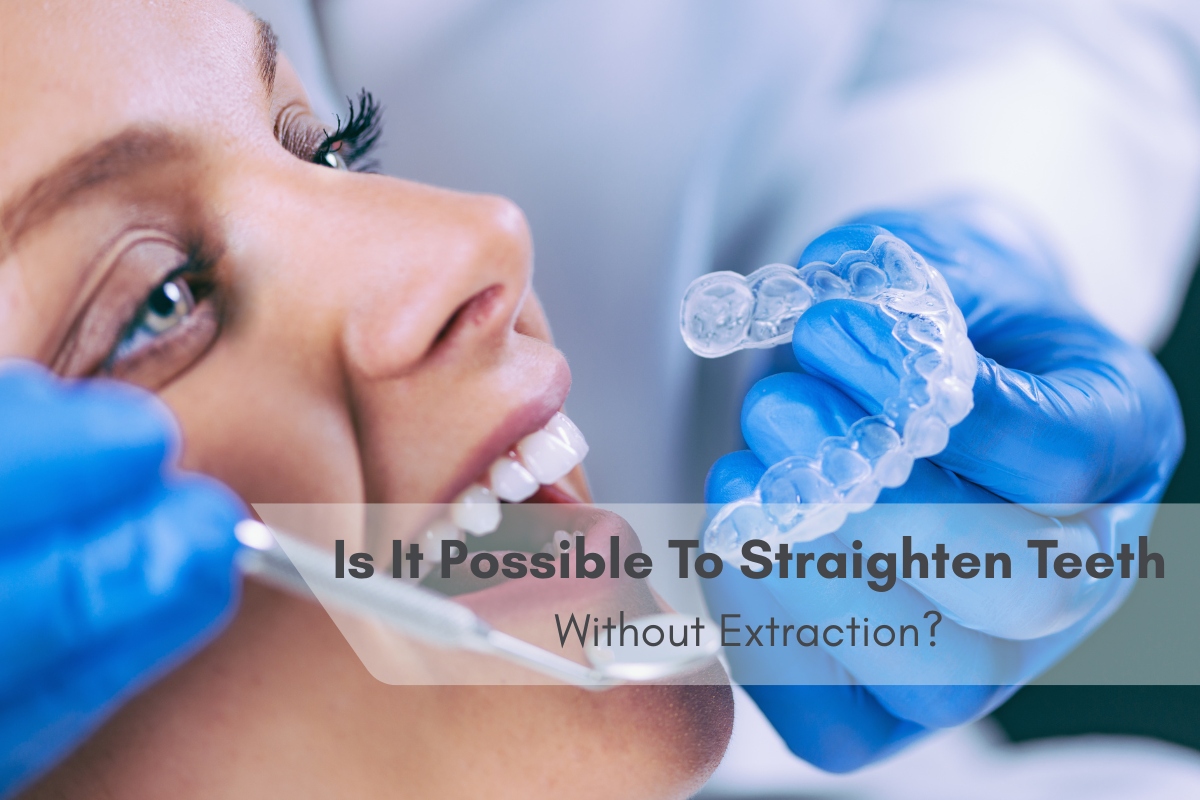
Invisalign is a brand of clear aligners custom-made for each patient. These aligners are designed to gradually shift teeth into their desired positions without the use of metal brackets and wires. The process begins with a consultation, during which an orthodontist assesses the patient’s dental needs, takes scans or impressions, and creates a personalized treatment plan.
How Does Invisalign Work?
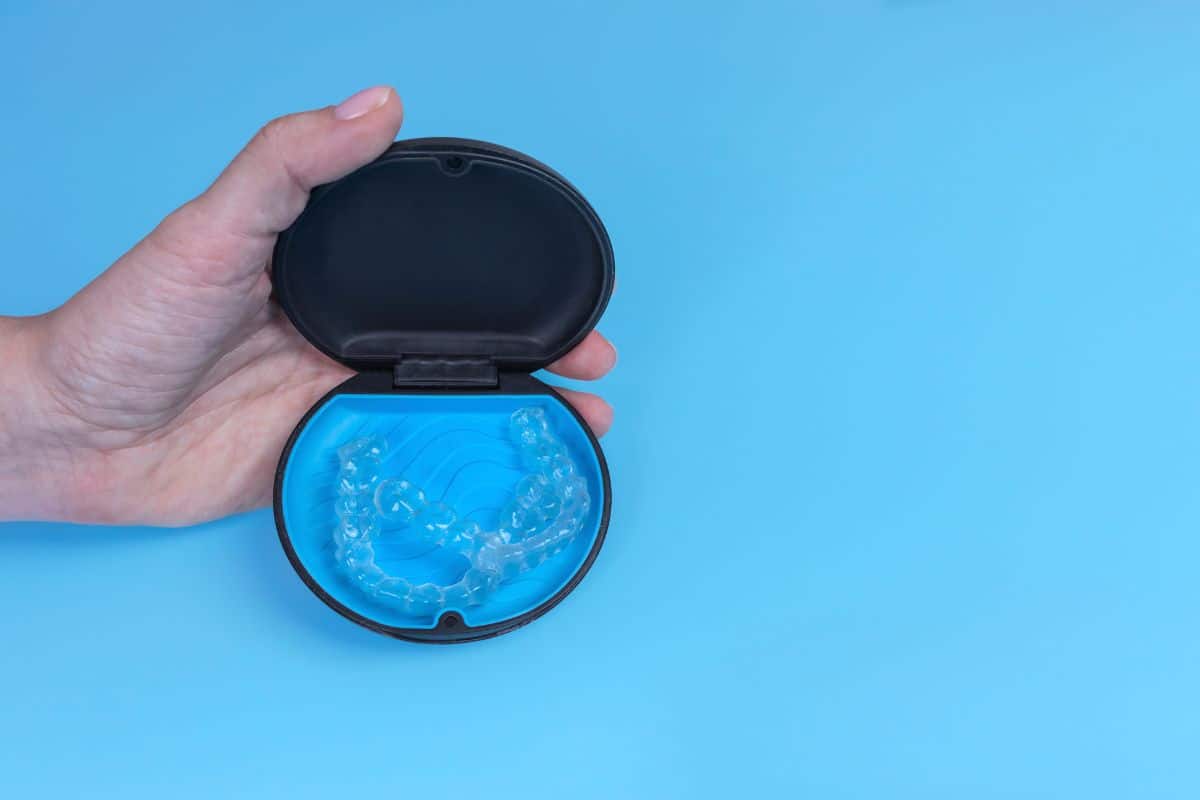
Invisalign works by employing a series of clear, removable aligners that are worn over the teeth. Each set of aligners is typically worn for about two weeks before being replaced with the next set in the series. Over time, the aligners apply gentle pressure to the teeth, guiding them into proper alignment.
Key Features of Invisalign:
- Custom-Fit: Aligners are tailored to the individual’s dental structure.
- Removable: Unlike traditional braces, aligners can be removed for eating, brushing, and flossing.
- Discreet Appearance: The clear aligners are less noticeable than metal braces.
Benefits of Using Invisalign for Minor Corrections
For individuals with only minor dental misalignments, Invisalign can offer several advantages.
1. Aesthetic Appeal
One of the most significant benefits of Invisalign is its aesthetic appeal. Many people prefer clear aligners over traditional metal braces, particularly adults and teenagers who may feel self-conscious about their appearance. The nearly invisible aligners allow users to straighten their teeth without drawing attention to their orthodontic treatment.
2. Comfort and Convenience
Invisalign aligners are typically more comfortable than traditional braces. They are made of smooth plastic, reducing the likelihood of irritation to the gums and cheeks. Additionally, since the aligners are removable, patients can eat their favorite foods and maintain their oral hygiene routines without restrictions.
3. Shorter Treatment Time
For minor corrections, Invisalign may lead to quicker treatment times compared to traditional braces. While treatment duration varies by individual, many patients can achieve their desired results in as little as six months to a year.
4. Improved Oral Hygiene
Maintaining good oral hygiene can be more straightforward with Invisalign. Since the aligners are removable, patients can brush and floss their teeth as usual, helping to prevent cavities and gum disease during treatment.
Considerations Before Choosing Invisalign for Minor Corrections
While Invisalign has many benefits, it’s essential to consider a few factors before deciding if it’s the right choice for minor corrections.
1. Cost Implications
Invisalign treatment can be more expensive than traditional braces, even for minor corrections. The total cost typically depends on the complexity of the case and the duration of treatment. Patients should weigh the benefits against the financial investment and discuss payment options with their orthodontist.
2. Discipline and Compliance
Invisalign aligners must be worn for at least 20 to 22 hours a day to be effective. This requires a level of discipline and commitment that some patients may find challenging. Those who struggle with consistency in wearing their aligners may not achieve optimal results.
3. Limitations for Complex Issues
Invisalign is highly effective for many types of minor corrections, such as slight crowding or spacing issues. However, for more complex dental problems, such as significant bite issues or severe misalignments, traditional braces or other orthodontic treatments may be recommended.
Is Invisalign Worth It for You?
Ultimately, whether Invisalign is worth it for minor corrections depends on individual circumstances. Here are some factors to consider:
1. Consultation with an Orthodontist
Consulting with an experienced orthodontist is crucial in making an informed decision. They can evaluate your specific dental needs, discuss your treatment goals, and determine if Invisalign is appropriate for your situation, especially if you are looking for Invisalign in Omaha.
2. Personal Preferences
Consider your preferences regarding aesthetics, comfort, and convenience. If a discreet orthodontic solution is essential to you, Invisalign may be worth the investment.
3. Cost-Benefit Analysis
Evaluate the costs associated with Invisalign against the potential benefits. If the financial investment aligns with your goals and expectations for treatment, it may be worthwhile.
Conclusion
Invisalign offers a promising option for those seeking minor dental corrections. Its aesthetic appeal, comfort, and convenience make it an attractive choice for many patients. However, it’s essential to weigh the benefits against the cost, commitment, and any limitations for your specific case. A thorough consultation with an orthodontist will provide clarity and help you make an informed decision about whether Invisalign is the right fit for your orthodontic needs. If you’re considering treatment, take the first step by reaching out to a qualified orthodontist to discuss your options.