Text: 402-773-6276



Can I Get Braces for Crowded Teeth?

Crowded teeth are a common orthodontic issue that many people face. If you’re struggling with this dental concern, you might be wondering if braces are a viable solution. This comprehensive guide will explore the benefits of braces for crowded teeth, the process of getting braces, and what to expect during your treatment. Additionally, we’ll highlight the importance of orthodontic care and the role of an orthodontist in achieving your ideal smile.
Understanding Crowded Teeth
Crowded teeth occur when there is insufficient space in the jaw for all of your teeth to fit properly. This can lead to overlapping, twisting, and misalignment of teeth. Crowding can happen for various reasons, including genetics, early loss of primary teeth, or prolonged thumb-sucking. Addressing this issue is crucial not only for aesthetic reasons but also for overall dental health.
Symptoms of Crowded Teeth
If you’re unsure whether you have crowded teeth, look out for the following signs:
- Overlapping Teeth: Teeth that overlap each other or are pushed out of alignment.
- Difficulty Cleaning: Difficulty in brushing and flossing due to tightly spaced or overlapping teeth.
- Jaw Discomfort: Pain or discomfort in the jaw due to teeth being misaligned.
Why Braces Are a Good Solution
Braces are a popular and effective solution for correcting crowded teeth. They work by applying gentle, constant pressure to gradually shift your teeth into their correct positions. Here’s why braces are a good option for addressing crowded teeth:
1. Improved Alignment
Braces can help align your teeth properly, which enhances both the function and appearance of your smile. Proper alignment can also improve your bite, making it easier to chew and speak.
2. Enhanced Oral Hygiene
Crowded teeth can create hard-to-reach areas that are difficult to clean, leading to plaque buildup and an increased risk of cavities and gum disease. By aligning your teeth, braces make it easier to maintain good oral hygiene.
3. Long-Term Benefits
Investing in braces can have long-term benefits, including a more attractive smile and improved oral health. Properly aligned teeth are less likely to experience wear and tear and are easier to clean, reducing the risk of future dental problems.
The Braces Treatment Process
The journey to achieving a perfect smile with braces involves several steps. Here’s a detailed look at what you can expect throughout the treatment process:
Initial Consultation
The first step is to schedule a consultation with your orthodontist. During this visit, the orthodontist will examine your teeth, take X-rays, and discuss your treatment options. They will determine if braces are the right choice for your crowded teeth and create a personalized treatment plan.
Getting Braces
Once you decide to proceed with braces treatment, you’ll need to schedule an appointment for the placement of your braces. Here’s what happens during this appointment:
1. Preparation
Your teeth will be cleaned and prepared for the braces. This includes applying a special adhesive to help the brackets stick to your teeth.
2. Placement of Brackets and Wires
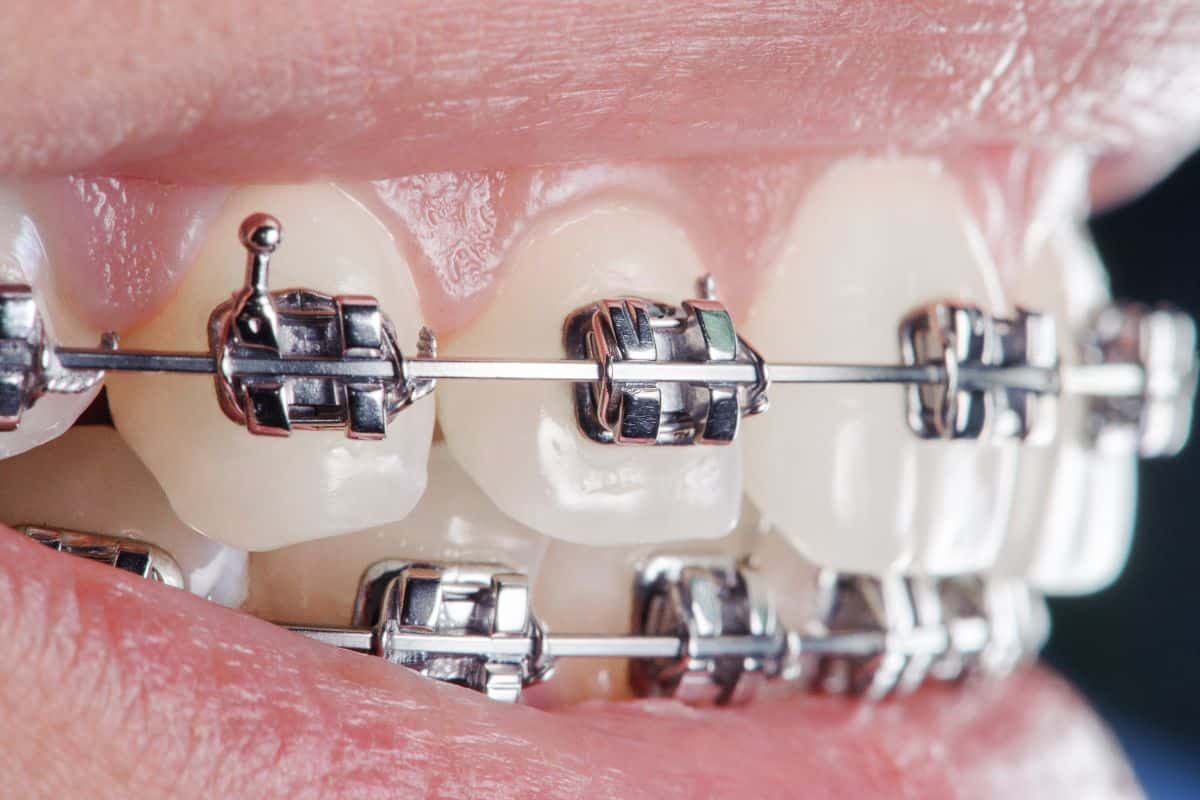
The orthodontist will attach brackets to your teeth using the adhesive and then thread a wire through the brackets. The wire is secured with small rubber bands or clips.
3. Adjustments
You’ll need to visit your orthodontist regularly for adjustments. During these visits, the orthodontist will tighten the wires and make any necessary adjustments to ensure your teeth are moving as planned.
Caring for Your Braces
Proper care is essential to ensure the effectiveness of your braces treatment. Here are some tips to keep your braces in top condition:
1. Oral Hygiene
Maintaining excellent oral hygiene is crucial. Brush your teeth at least twice a day and floss daily. Use orthodontic-friendly products like wax to avoid irritation from the braces.
2. Dietary Restrictions
Avoid foods that can damage your braces, such as sticky candies, hard foods, and popcorn. Stick to softer foods and follow any dietary guidelines provided by your orthodontist.
3. Regular Check-Ups
Attend all scheduled appointments with your orthodontist to ensure your treatment is progressing as planned. Regular check-ups are essential for making adjustments and monitoring your progress.
Benefits of Orthodontic Care
Orthodontic care goes beyond just straightening teeth. It involves comprehensive treatment to improve your overall dental health and well-being. Here’s why investing in orthodontic care is beneficial:
1. Enhanced Functionality
Correcting crowded teeth can improve your bite and chewing function. This can lead to better digestion and reduced strain on your jaw joints.
2. Aesthetic Improvement
A straighter smile boosts confidence and self-esteem. Orthodontic care helps achieve a more attractive appearance and enhances your overall facial aesthetics.
3. Long-Term Health Benefits
Properly aligned teeth are easier to clean and less likely to develop cavities and gum disease. Orthodontic care contributes to long-term dental health by reducing the risk of oral health issues.
Finding the Right Orthodontist
Choosing the right orthodontist is crucial for a successful braces treatment. If you’re looking for an experienced professional in your area, consider scheduling a consultation with an orthodontist in Omaha. They can provide personalized care and guide you through every step of your treatment.
Why Choose an Orthodontist?
An orthodontist can offer specialized expertise in managing crowded teeth and other orthodontic issues. They are equipped with the latest technology and techniques to ensure optimal results. Additionally, they can provide local support and care tailored to your needs.
Braces are an effective solution for correcting crowded teeth, offering both cosmetic and functional benefits. With proper orthodontic care, you can achieve a straighter smile and improve your overall dental health. If you’re considering braces treatment, consult with an orthodontist in Omaha to explore your options and embark on your journey to a healthier, more confident smile.